Can sieves be used for recycling processes?
Hey there! I'm a supplier of sieves, and I've been getting a lot of questions lately about whether sieves can be used in recycling processes. Well, the short answer is yes! Sieves play a crucial role in many recycling operations, and I'm here to tell you all about it.
First off, let's talk about what sieves are. In simple terms, a sieve is a device with a mesh or perforated surface that allows smaller particles to pass through while retaining larger ones. They come in all shapes and sizes, from small handheld sieves to large industrial - scale ones.
One of the most common applications of sieves in recycling is in the sorting of materials. For example, in the recycling of construction and demolition waste, sieves are used to separate different sizes of aggregates. After a building is demolished, the rubble contains a mix of large chunks of concrete, bricks, and smaller pieces of debris. By using a sieve, we can separate the larger pieces, which can be further crushed and recycled into new construction materials, from the smaller particles that might be used for other purposes like fill material.
In the recycling of plastics, sieves are also very useful. When post - consumer plastics are collected, they often come in a wide range of sizes and shapes. Sieves can be used to separate the plastics based on their size. This is important because different recycling processes may require plastics of a certain size range. For instance, some plastic recycling machines work better with smaller, more uniformly sized plastic pieces. By using a sieve, we can ensure that the plastics going into the recycling process are in the right size for optimal processing.
Another area where sieves shine in recycling is in the recycling of paper. Paper recycling involves breaking down used paper into pulp. During this process, there are often contaminants such as staples, bits of plastic, and other non - paper materials. Sieves can be used to remove these contaminants from the pulp. The pulp is passed through a sieve, and the larger contaminants are retained on the sieve surface while the pulp passes through. This helps to improve the quality of the recycled paper.
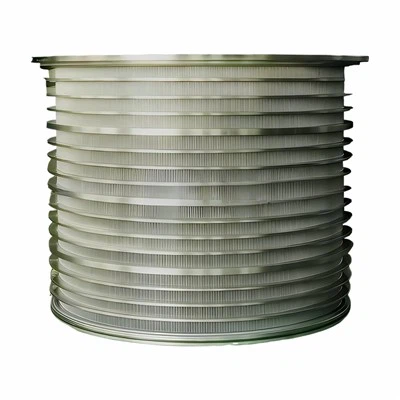
Now, let me introduce you to some of the sieves we offer. We have the Fibernet Screen. This sieve is specifically designed for high - precision screening in recycling processes. It has a fine mesh that can effectively separate even the smallest particles, making it ideal for applications where a high level of purity is required, such as in the recycling of fine - grade plastics or high - quality paper.
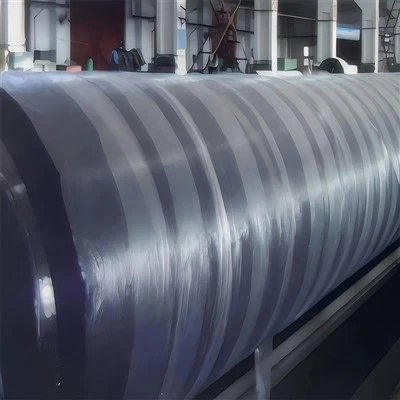
We also have the Paper Machine Vibrating Screen. As the name suggests, this sieve is great for paper recycling. The vibrating action helps to ensure that the pulp flows smoothly through the sieve, and it can quickly remove contaminants from the paper pulp, improving the efficiency of the paper recycling process.
But how do sieves work in these recycling processes? Well, it all comes down to the principle of particle size separation. When a mixture of materials is fed onto a sieve, the smaller particles fall through the holes in the mesh, while the larger ones stay on top. The size of the holes in the sieve can be adjusted depending on the specific requirements of the recycling process. For example, if you want to separate larger pieces of glass from smaller ones in a glass recycling plant, you would use a sieve with larger holes.
There are also different types of sieving methods. One common method is static sieving, where the sieve is stationary and the material is simply poured onto it. This is a simple and cost - effective method, but it may not be as efficient for large - scale recycling operations. Another method is vibrating sieving, where the sieve is vibrated to help the material move through the mesh more quickly. This is often used in industrial recycling plants where a high throughput is required.
In addition to size separation, sieves can also be used to separate materials based on their shape. Some sieves are designed with special mesh patterns that can trap irregularly shaped particles while allowing more regular - shaped ones to pass through. This can be useful in recycling processes where the shape of the material affects its recyclability.
When it comes to the maintenance of sieves in recycling processes, it's important to keep them clean. Over time, the mesh of the sieve can get clogged with particles, which can reduce its efficiency. Regular cleaning can help to ensure that the sieve continues to work effectively. We usually recommend using a brush or a compressed air system to clean the sieve.
Now, you might be wondering about the cost - effectiveness of using sieves in recycling. Well, in the long run, sieves can actually save you money. By effectively separating materials, they can improve the quality of the recycled products, which can fetch a higher price in the market. They also help to reduce the wear and tear on other recycling equipment by removing contaminants before they enter the system.
If you're involved in a recycling business, I highly recommend considering the use of sieves. Whether you're recycling construction waste, plastics, paper, or other materials, sieves can make your recycling process more efficient and effective.
If you're interested in learning more about our sieves or have any questions about how sieves can be used in your specific recycling process, don't hesitate to reach out. We're here to help you find the right sieve solution for your needs. Contact us to start a discussion about your procurement requirements, and let's work together to make your recycling operations even better.


References
- Recycling Technology Handbook, various authors
- Journal of Recycling Science and Technology, multiple issues
- Industry reports on recycling equipment and processes