In the dynamic landscape of industrial manufacturing, optimizing the operation process of roller equipment is not just a matter of efficiency; it's a strategic imperative for businesses aiming to stay competitive. As a seasoned roller equipment supplier, I've witnessed firsthand the transformative impact that well-optimized roller operations can have on productivity, product quality, and overall profitability. In this blog, I'll share some key insights and practical strategies to help you optimize the operation process of your roller equipment.
Understanding the Basics of Roller Equipment
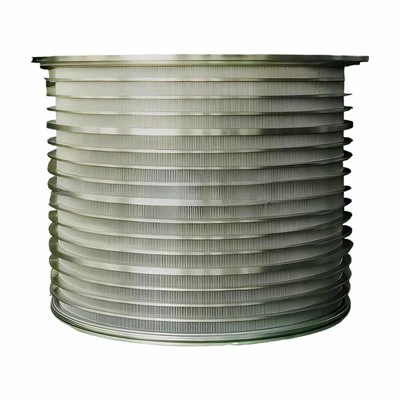
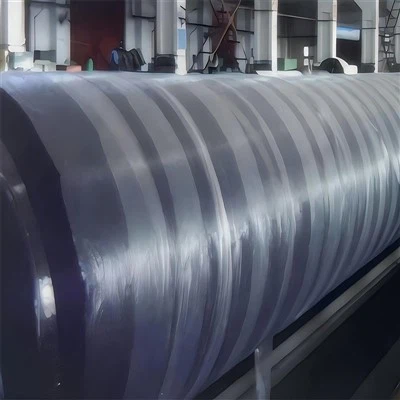
Before delving into optimization strategies, it's essential to have a solid understanding of the different types of roller equipment and their functions. Roller equipment comes in various forms, each designed to perform specific tasks in the manufacturing process. Some common types of roller equipment include sizing rolls, press rolls, and vacuum rolls.
- Sizing Rolls: Sizing rolls are used to control the thickness and width of materials during the rolling process. They play a crucial role in ensuring that the final product meets the desired specifications. For example, the ΦSizing Roll Operate Speed 1200m is designed to operate at a high speed, allowing for efficient and precise sizing of materials.
- Press Rolls: Press rolls are used to apply pressure to materials, typically in the papermaking or textile industries. They help to remove excess water or air from the material, improving its strength and durability. The Ф 1500/5050 Press Roll is a high-quality press roll that can handle heavy loads and provide consistent pressure.
- Vacuum Rolls: Vacuum rolls are used to remove air or moisture from materials, typically in the papermaking or printing industries. They help to improve the quality of the final product by reducing the occurrence of air bubbles or wrinkles. The Ф 1100X7921 VAC ROLL is a reliable vacuum roll that can effectively remove air and moisture from materials.
Key Factors Affecting Roller Equipment Operation
Several factors can affect the operation of roller equipment, including the type of material being processed, the speed of the equipment, and the maintenance schedule. Understanding these factors is crucial for optimizing the operation process and ensuring the long-term performance of the equipment.
- Material Properties: The properties of the material being processed, such as its thickness, density, and moisture content, can have a significant impact on the operation of the roller equipment. For example, materials with high moisture content may require more pressure or longer processing times to achieve the desired results.
- Equipment Speed: The speed of the roller equipment can also affect its performance. Operating the equipment at a high speed can increase productivity, but it may also increase the risk of equipment failure or product defects. It's important to find the optimal speed for your specific application to ensure efficient and reliable operation.
- Maintenance Schedule: Regular maintenance is essential for keeping roller equipment in good working condition. This includes cleaning the equipment, lubricating the moving parts, and replacing worn or damaged components. A well-maintained roller equipment will operate more efficiently and have a longer lifespan.
Strategies for Optimizing Roller Equipment Operation
Now that we've covered the basics of roller equipment and the key factors affecting its operation, let's explore some strategies for optimizing the operation process.


- Select the Right Equipment: Choosing the right roller equipment for your specific application is crucial for achieving optimal performance. Consider factors such as the type of material being processed, the required speed and pressure, and the desired product quality when selecting the equipment.
- Optimize the Operating Parameters: Adjusting the operating parameters of the roller equipment, such as the speed, pressure, and temperature, can have a significant impact on its performance. Experiment with different settings to find the optimal parameters for your specific application.
- Implement a Preventive Maintenance Program: Regular maintenance is essential for keeping roller equipment in good working condition. Implement a preventive maintenance program that includes regular inspections, cleaning, and lubrication of the equipment. This will help to prevent breakdowns and extend the lifespan of the equipment.
- Train Your Operators: Proper training is essential for ensuring that your operators are able to operate the roller equipment safely and efficiently. Provide your operators with comprehensive training on the operation and maintenance of the equipment, and encourage them to follow the recommended procedures.
- Monitor and Analyze Performance: Regularly monitor and analyze the performance of the roller equipment to identify any issues or areas for improvement. Use data analytics tools to track key performance indicators, such as production output, product quality, and equipment downtime. This will help you to make informed decisions and optimize the operation process.
Conclusion
Optimizing the operation process of roller equipment is a continuous process that requires a combination of technical expertise, strategic planning, and ongoing monitoring. By understanding the basics of roller equipment, identifying the key factors affecting its operation, and implementing the strategies outlined in this blog, you can improve the efficiency, productivity, and quality of your manufacturing process.
If you're interested in learning more about our roller equipment or have any questions about optimizing the operation process, please don't hesitate to contact us. We'd be happy to discuss your specific needs and provide you with a customized solution.
References
- [Roller Equipment Handbook](Publisher Name, Year)
- [Industrial Manufacturing Best Practices](Author Name, Year)
- [Optimizing Roller Equipment Performance](Journal Name, Volume, Issue, Year)