Upgrading pressure screens in a pulp and paper mill is a significant decision that can impact both operational efficiency and the bottom line. As a seasoned pressure screens supplier, I understand the concerns and questions that mill operators have when considering an upgrade. In this blog, we'll delve into the factors that influence the cost of upgrading pressure screens and provide a comprehensive overview to help you make an informed decision.
Understanding Pressure Screens
Before discussing the upgrade costs, it's essential to understand what pressure screens are and their role in the pulp and paper industry. Pressure screens are crucial pieces of equipment used for the screening and cleaning of pulp. They separate acceptable fibers from rejects, such as knots, shives, and other contaminants, ensuring the quality of the final paper product.
There are several types of pressure screens available, each designed to meet specific screening requirements. For instance, the Fine Screen Out-flow Pressure Screen is designed for efficient screening of fine fibers, while the Fine Screen Up-flow Pressure Screen offers excellent performance in removing contaminants. The Inflow Fine Pressure Screen is another popular option known for its high capacity and fine screening capabilities.
Factors Affecting the Upgrade Cost
1. Type of Upgrade
The most significant factor influencing the cost is the type of upgrade you choose. A minor upgrade, such as replacing the screening elements or upgrading the control system, will generally be less expensive than a complete overhaul of the pressure screen.
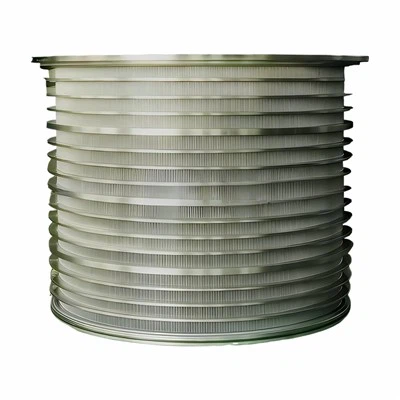
- Screening Element Replacement: The screening elements are the heart of the pressure screen. Over time, they can wear out, leading to reduced screening efficiency. Replacing these elements can improve the performance of the screen. The cost of replacement depends on the size and type of the screen, as well as the material of the screening elements.
- Control System Upgrade: Upgrading the control system can enhance the automation and monitoring capabilities of the pressure screen. This can lead to improved process control, reduced downtime, and increased productivity. The cost of a control system upgrade includes the cost of the new control hardware, software, and installation.
- Complete Overhaul: A complete overhaul involves replacing all major components of the pressure screen, including the rotor, housing, and screening elements. This type of upgrade is typically more expensive but can significantly extend the lifespan of the screen and improve its performance.
2. Screen Size and Capacity
The size and capacity of the pressure screen also play a crucial role in determining the upgrade cost. Larger screens with higher capacities generally require more materials and labor for upgrading, resulting in higher costs. Additionally, the complexity of the screen design can also affect the cost. For example, a multi-stage pressure screen with advanced features will be more expensive to upgrade than a single-stage screen.
3. Material and Quality
The choice of materials and the quality of the components used in the upgrade can have a significant impact on the cost. High-quality materials and components may cost more upfront but can offer better performance, durability, and reliability in the long run. For instance, using stainless steel instead of carbon steel for the screen housing can increase the cost but also provide better corrosion resistance.
4. Labor and Installation
The cost of labor and installation is another important factor to consider. Hiring experienced technicians to perform the upgrade is essential to ensure that the work is done correctly and safely. The labor cost will depend on the complexity of the upgrade, the location of the mill, and the local labor rates. Additionally, the cost of installation may include the cost of equipment rental, transportation, and any necessary permits.


5. Downtime
Downtime is a significant cost factor that is often overlooked. During the upgrade process, the pressure screen will be out of service, which can result in lost production. The cost of downtime can be substantial, especially for large mills with high production volumes. To minimize downtime, it's important to plan the upgrade carefully and schedule it during periods of low production.
Cost Estimation
Estimating the cost of upgrading pressure screens can be challenging due to the many variables involved. However, as a general guideline, a minor upgrade, such as replacing the screening elements, can cost anywhere from a few thousand dollars to tens of thousands of dollars, depending on the size and type of the screen. A control system upgrade can cost between $10,000 and $50,000, while a complete overhaul of a medium-sized pressure screen can cost up to $100,000 or more.
It's important to note that these are just rough estimates, and the actual cost may vary depending on the specific requirements of your mill. To get an accurate cost estimate, it's recommended to consult with a professional pressure screens supplier. They can assess your existing equipment, understand your needs, and provide a detailed quote for the upgrade.
Benefits of Upgrading Pressure Screens
While the cost of upgrading pressure screens can be significant, the benefits often outweigh the investment. Here are some of the key benefits of upgrading your pressure screens:
- Improved Screening Efficiency: Upgrading the screening elements or the entire screen can improve the separation of fibers from contaminants, resulting in a higher quality pulp and paper product.
- Increased Productivity: A more efficient pressure screen can process more pulp in less time, leading to increased production volumes and reduced production costs.
- Reduced Downtime: Upgrading the control system and other components can improve the reliability of the pressure screen, reducing the frequency of breakdowns and downtime.
- Energy Savings: Newer pressure screens are often designed to be more energy-efficient, which can result in significant cost savings over time.
Conclusion
Upgrading pressure screens is a complex decision that requires careful consideration of the cost, benefits, and potential impact on your operations. As a pressure screens supplier, I'm committed to helping you make the right choice for your mill. By understanding the factors that affect the upgrade cost and the benefits of upgrading, you can make an informed decision that will improve the efficiency and profitability of your pulp and paper production.
If you're considering upgrading your pressure screens, I encourage you to contact us for a consultation. Our team of experts can assess your needs, provide a detailed cost estimate, and guide you through the upgrade process. We look forward to working with you to achieve your production goals.
References
- Pulp and Paper Industry Handbook
- Pressure Screens Technical Manuals