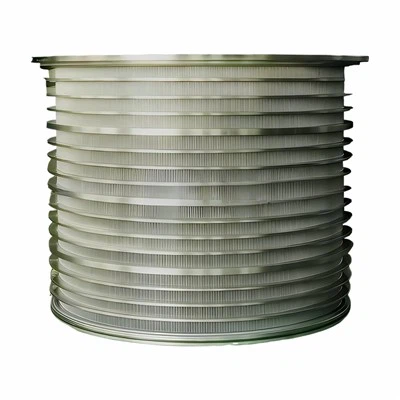
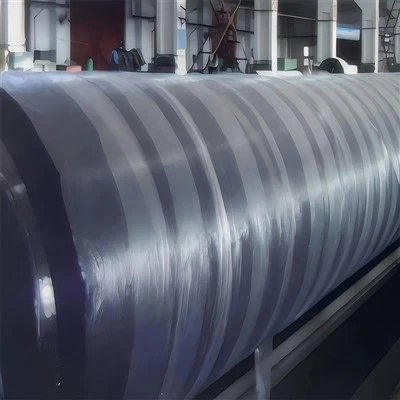
Hey there! I'm a supplier of pressure screens, and I often get asked, "How often should pressure screens be cleaned?" It's a great question, and the answer isn't as straightforward as you might think. In this blog, I'll share some insights based on my experience in the industry to help you figure out the ideal cleaning frequency for your pressure screens.
Why Cleaning Pressure Screens Matters
First off, let's talk about why cleaning pressure screens is so important. Pressure screens play a crucial role in various industries, especially in the pulp and paper industry. They're used to separate and remove unwanted particles from the pulp, ensuring the quality of the final product. Over time, these screens can get clogged with debris, fibers, and other contaminants. When this happens, the efficiency of the screening process drops significantly. The pressure drop across the screen increases, which means your equipment has to work harder, leading to higher energy consumption. Moreover, a clogged screen can't separate particles effectively, resulting in a lower - quality product. So, regular cleaning is essential to keep your operations running smoothly.
Factors Affecting Cleaning Frequency
There are several factors that determine how often you should clean your pressure screens. Let's take a closer look at each of them.
1. Type of Material Being Screened
The nature of the material passing through the pressure screen has a huge impact on cleaning frequency. If you're screening a pulp with a high content of short fibers, sticky substances, or large amounts of contaminants, the screen will clog up much faster compared to a cleaner pulp. For example, recycled pulp usually contains more impurities like ink, adhesives, and plastics, which can quickly build up on the screen surface. In such cases, you might need to clean the screen more frequently, maybe even daily or multiple times a day. On the other hand, if you're working with virgin pulp, which is generally cleaner, the cleaning interval can be longer, perhaps once a week or even less often.
2. Screen Design and Configuration
Different types of pressure screens have different cleaning requirements. For instance, the Inflow Pre - net Screen is designed to remove large particles early in the screening process. It can handle a relatively high volume of debris, but it also needs to be cleaned regularly to prevent blockages. The Fine Screen Up - flow Pressure Screen is used for more precise screening, and it's more sensitive to clogging. Its fine mesh can trap small particles easily, so it might need more frequent cleaning. The Inflow Fine Pressure Screen is another type that requires careful maintenance due to its fine screening capabilities.
3. Operating Conditions
The way you operate your pressure screen also affects how often it needs cleaning. Higher flow rates can cause more debris to be forced onto the screen, increasing the likelihood of clogging. Similarly, if the pressure across the screen is too high, it can push contaminants into the screen mesh, making it harder to clean. Additionally, the temperature and pH of the pulp can influence the adhesion of particles to the screen. For example, in a warm and acidic environment, some substances might stick more firmly to the screen surface, necessitating more frequent cleaning.
General Guidelines for Cleaning Frequency
While the specific cleaning frequency depends on the factors mentioned above, here are some general guidelines that can give you a starting point.
Low - Contaminant Pulp
If you're working with a relatively clean pulp, such as virgin pulp with low levels of impurities, you can start with a cleaning interval of once a week. Monitor the performance of the screen closely during this time. Check the pressure drop across the screen, the flow rate, and the quality of the screened pulp. If you notice any signs of reduced efficiency, like an increase in pressure drop or a decrease in flow rate, it might be time to clean the screen earlier than planned.
Medium - Contaminant Pulp
For pulp with a moderate amount of contaminants, like some types of semi - recycled pulp, a cleaning frequency of 2 - 3 times a week is usually a good idea. Again, keep an eye on the operating parameters of the screen. You can also perform regular visual inspections to look for signs of clogging, such as a build - up of debris on the screen surface.

High - Contaminant Pulp
When dealing with highly contaminated pulp, such as recycled pulp with a lot of sticky substances and large particles, daily cleaning is often necessary. In some extreme cases, you might even need to clean the screen multiple times a day to maintain optimal performance. It's also important to use appropriate cleaning methods and chemicals to ensure that all the contaminants are removed effectively.
Cleaning Methods
There are several methods you can use to clean pressure screens, and the choice depends on the type of screen and the nature of the contaminants.
Backwashing
Backwashing is one of the most common cleaning methods. It involves reversing the flow of the liquid through the screen to dislodge the trapped particles. This method is relatively simple and can be effective for removing loose debris. However, it might not be sufficient for removing stubborn contaminants, especially those that have adhered strongly to the screen surface.
Chemical Cleaning
Chemical cleaning involves using special cleaning agents to dissolve or loosen the contaminants. The choice of chemical depends on the type of contaminants. For example, alkaline cleaners are often used to remove organic substances, while acidic cleaners can be effective for removing inorganic deposits. Chemical cleaning should be done carefully, following the manufacturer's instructions, to avoid damaging the screen.
Mechanical Cleaning
In some cases, mechanical cleaning methods might be necessary. This can involve using brushes, scrapers, or other tools to physically remove the debris from the screen surface. Mechanical cleaning is usually more labor - intensive, but it can be very effective for removing tough deposits.
Monitoring and Adjusting Cleaning Frequency
Once you've established an initial cleaning frequency, it's important to monitor the performance of your pressure screen regularly. Keep track of the pressure drop across the screen, the flow rate, and the quality of the screened product. If you notice any changes in these parameters, it could be a sign that the cleaning frequency needs to be adjusted.

For example, if the pressure drop across the screen starts to increase steadily, it might mean that the screen is getting clogged faster than expected, and you need to clean it more often. On the other hand, if the screen is performing well and there are no signs of clogging, you might be able to extend the cleaning interval slightly.

Conclusion
Figuring out how often to clean your pressure screens is a balancing act. You need to consider factors like the type of material being screened, the screen design, and the operating conditions. By following the general guidelines and monitoring the performance of your screen, you can find the optimal cleaning frequency that keeps your operations efficient and your products high - quality.

If you're in the market for pressure screens or need more advice on their maintenance, don't hesitate to reach out. We're here to help you make the most of your screening equipment. Whether you're looking for an Inflow Pre - net Screen, a Fine Screen Up - flow Pressure Screen, or an Inflow Fine Pressure Screen, we've got you covered. Contact us today to start a conversation about your specific needs.
References
- "Pulp and Paper Manufacturing Handbook"
- Industry reports on pressure screen maintenance and operation