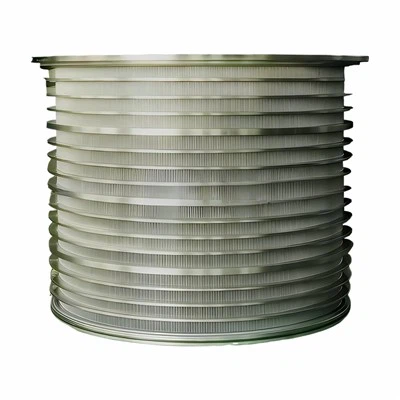
Calendering equipment is a critical component in various industries, including plastics, rubber, and paper manufacturing. It plays a pivotal role in shaping and finishing materials to meet specific quality and thickness requirements. However, like any industrial machinery, calendering equipment requires regular cleaning to maintain its performance, extend its lifespan, and ensure the quality of the products it produces. As a leading calendering equipment supplier, I am here to share some professional insights on how to clean calendering equipment effectively.
Understanding the Importance of Cleaning Calendering Equipment
Before delving into the cleaning process, it's essential to understand why cleaning calendering equipment is so crucial. Over time, residues from the materials being processed, such as plastics, rubber, or paper fibers, can accumulate on the calender rolls, bearings, and other components. This buildup can lead to several issues, including:
- Reduced Product Quality: Residues on the calender rolls can cause surface defects, uneven thickness, and other quality issues in the finished products.
- Increased Wear and Tear: The accumulation of residues can increase friction between the moving parts, leading to accelerated wear and tear on the equipment. This can result in costly repairs and downtime.
- Safety Hazards: Buildup of flammable or combustible residues can pose a fire hazard, while the presence of chemical residues can be a health risk to operators.
Regular cleaning of calendering equipment can help prevent these issues, ensuring optimal performance and safety.
Pre - cleaning Preparations
Before starting the cleaning process, it's important to take the following preparatory steps:


- Shut Down the Equipment: Ensure that the calendering equipment is completely shut down and disconnected from the power source to prevent any accidental startup during the cleaning process.
- Wear Appropriate Safety Gear: Operators should wear safety glasses, gloves, and protective clothing to protect themselves from chemicals, hot surfaces, and other potential hazards.
- Gather Cleaning Supplies: Depending on the type of residues and the components to be cleaned, you may need a variety of cleaning supplies, such as solvents, brushes, scrapers, and lint - free cloths.
Cleaning the Calender Rolls
The calender rolls are the most critical components of the calendering equipment, and they require special attention during the cleaning process.
- Inspect the Rolls: Before cleaning, visually inspect the calender rolls for any signs of damage, such as scratches or dents. If any damage is detected, it should be repaired before proceeding with the cleaning.
- Remove Loose Residues: Use a soft brush or a compressed air gun to remove any loose residues from the surface of the calender rolls. This will make the subsequent cleaning steps more effective.
- Apply Cleaning Solvent: Select a suitable cleaning solvent based on the type of residues. For example, for plastic residues, a solvent with strong dissolving properties may be required, while for paper fibers, a milder cleaning solution may be sufficient. Apply the cleaning solvent to a lint - free cloth and gently wipe the surface of the calender rolls.
- Scrub if Necessary: For stubborn residues, use a non - abrasive scrubbing pad or a soft - bristled brush to gently scrub the surface of the rolls. Be careful not to scratch the rolls during this process.
- Rinse and Dry: After scrubbing, rinse the calender rolls with clean water to remove any remaining cleaning solvent and residues. Then, dry the rolls thoroughly using a lint - free cloth to prevent corrosion.
Cleaning the Bearings and Lubrication Systems
The bearings and lubrication systems of the calendering equipment are essential for smooth operation.
- Drain the Lubricant: If the lubrication system has a drain plug, drain the old lubricant into a suitable container. This will remove any contaminants that may have accumulated in the lubricant.
- Clean the Bearings: Use a degreaser to clean the bearings. Apply the degreaser to a brush and gently scrub the bearings to remove any grease, dirt, or debris. Rinse the bearings with clean water and dry them thoroughly.
- Refill the Lubrication System: Once the bearings are clean, refill the lubrication system with fresh lubricant according to the manufacturer's recommendations.
Cleaning the Frame and Other Components
The frame and other components of the calendering equipment also need to be cleaned regularly.
- Remove Dust and Debris: Use a vacuum cleaner or a compressed air gun to remove dust and debris from the frame and other components.
- Wipe Down the Surfaces: Use a cleaning solution and a lint - free cloth to wipe down the surfaces of the frame and other components. Pay special attention to areas where residues are likely to accumulate, such as around the feeding and discharging areas.
Post - cleaning Checks
After the cleaning process is completed, it's important to perform the following checks:
- Inspect the Equipment: Visually inspect the calendering equipment to ensure that all components are clean and free of residues. Check for any signs of damage or wear that may have been overlooked during the cleaning process.
- Test the Equipment: Reconnect the power source and start the calendering equipment. Run a test cycle to ensure that the equipment is operating smoothly and that there are no abnormal noises or vibrations.
Choosing the Right Calendering Equipment
As a calendering equipment supplier, we offer a wide range of high - quality calendering machines, such as the 3600/400 Calender Machine and the 4200/500 Calender Machine. These machines are designed with advanced technology and high - quality materials to ensure reliable performance and long - term durability.
Contact Us for Purchase and Consultation
If you are in the market for calendering equipment or need more information on cleaning and maintenance, we invite you to contact us. Our team of experts is ready to provide you with professional advice and solutions tailored to your specific needs. Whether you are a small - scale manufacturer or a large - scale industrial enterprise, we have the right calendering equipment for you.
References
- Smith, J. (2018). Industrial Machinery Maintenance Handbook. New York: Industrial Press.
- Brown, A. (2019). Calendering Technology in the Plastics Industry. London: Elsevier.