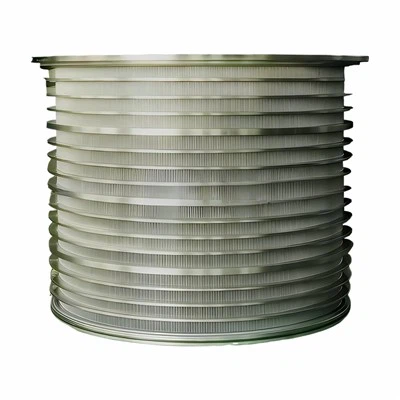
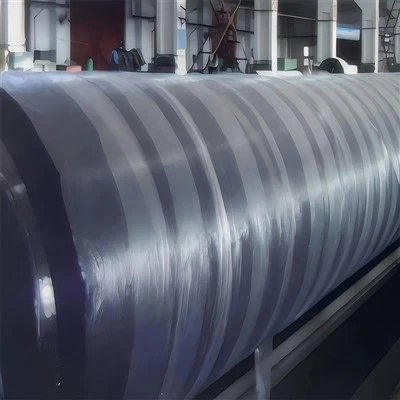
Detecting and repairing leakage in the H.C. Bleaching Tower is a critical task for pulp and paper mills to ensure efficient and safe operations. As a trusted H.C. Bleaching Tower [/flotation-and-deinking-equipment/h-c-bleaching-tower.html] supplier, we understand the challenges that come with maintaining these vital pieces of equipment. In this blog, we'll share insights on how to detect and repair leakage in the H.C. Bleaching Tower, drawing on our extensive industry experience.
Understanding the H.C. Bleaching Tower
The H.C. Bleaching Tower is an essential part of the pulp bleaching process. It operates under specific conditions of high temperature, pressure, and chemical exposure. The tower is designed to bleach pulp using high - consistency chemicals, which can break down lignin and improve the brightness of the pulp. However, these harsh operating conditions can lead to wear and tear, potentially resulting in leakage.


Common Causes of Leakage
- Corrosion: The chemicals used in the bleaching process, such as chlorine dioxide and hydrogen peroxide, are highly corrosive. Over time, they can eat away at the tower's walls, creating small holes or cracks through which the chemicals and pulp can leak.
- Mechanical Stress: The tower is subject to mechanical stress from factors like thermal expansion and contraction, as well as the movement of pulp and chemicals within it. This stress can cause joints, welds, and gaskets to loosen or break, leading to leakage.
- Wear and Tear: Continuous operation of the H.C. Bleaching Tower can cause general wear and tear on its components. For example, the internal baffles and agitators may rub against the tower walls, gradually weakening them and causing leaks.
Detecting Leakage
- Visual Inspection: Regular visual inspections are the first line of defense in detecting leakage. Operators should look for signs of chemical stains, wet spots, or drips around the tower. Pay close attention to joints, welds, and areas where pipes enter and exit the tower. If any signs of leakage are detected, it's important to mark the location for further investigation.
- Pressure Monitoring: Monitoring the pressure inside the H.C. Bleaching Tower can also help detect leakage. A sudden drop in pressure may indicate that there is a leak in the system. Install pressure sensors at strategic points in the tower and regularly record the pressure readings. Compare these readings over time to identify any abnormal fluctuations.
- Chemical Analysis: Periodic chemical analysis of the surrounding environment can detect the presence of bleaching chemicals outside the tower. If the levels of chemicals in the air or in nearby water sources are higher than normal, it could be a sign of leakage. Use appropriate sampling and analysis techniques to accurately measure the chemical concentrations.
- Ultrasonic Testing: Ultrasonic testing is a non - destructive testing method that can detect internal defects in the tower walls. By sending ultrasonic waves through the metal, any cracks or voids can be detected as the waves are reflected differently. This method is particularly useful for detecting early - stage corrosion and small cracks that may not be visible to the naked eye.
Repairing Leakage
- Temporary Repairs: In some cases, temporary repairs may be necessary to stop the leakage quickly and prevent further damage. For small leaks, sealing compounds can be used to plug the holes. These compounds are typically made of materials that can withstand the chemical and temperature conditions inside the tower. However, temporary repairs are only a short - term solution and should be followed up with permanent repairs as soon as possible.
- Welding Repairs: For larger cracks or holes, welding may be required. Before welding, it's important to clean the area thoroughly to remove any chemicals, rust, or debris. Use appropriate welding techniques and materials that are compatible with the tower's metal. After welding, the area should be inspected to ensure that the repair is sound and there are no new leaks.
- Replacing Components: If the leakage is caused by a faulty component, such as a gasket or a valve, it may be necessary to replace the component. When replacing components, make sure to use high - quality parts that are designed for the specific operating conditions of the H.C. Bleaching Tower. Follow the manufacturer's instructions for installation to ensure proper functioning.
- Coating and Lining: Applying a protective coating or lining to the inside of the tower can help prevent future corrosion and leakage. There are various types of coatings and linings available, such as epoxy coatings and rubber linings. Choose a coating or lining that is resistant to the chemicals used in the bleaching process and can withstand the mechanical stress of the tower's operation.
Preventive Maintenance
To minimize the risk of leakage in the H.C. Bleaching Tower, preventive maintenance is crucial.
- Regular Inspections: Conduct regular visual and non - destructive inspections of the tower to detect any potential issues early. This can help prevent small problems from turning into major leaks.
- Chemical Management: Properly manage the chemicals used in the bleaching process. Monitor the chemical concentrations and pH levels to ensure that they are within the recommended range. This can reduce the corrosive effects of the chemicals on the tower.
- Training and Education: Provide training to operators on the proper operation and maintenance of the H.C. Bleaching Tower. Make sure they understand the importance of detecting and reporting any signs of leakage promptly.
Related Equipment and Their Role
The H.C. Bleaching Tower doesn't operate in isolation. Other equipment in the pulp and paper mill, such as the Heating Screw Conveyor [/flotation-and-deinking-equipment/heating-screw-conveyor.html] and the Mac - Cell Flotation Machine [/flotation-and-deinking-equipment/mac-cell-flotation-machine.html], work in conjunction with it. The Heating Screw Conveyor is responsible for pre - heating the pulp before it enters the bleaching tower, ensuring that the bleaching process is more efficient. The Mac - Cell Flotation Machine is used for deinking and removing impurities from the pulp, which can also affect the performance of the bleaching tower.
Conclusion
Detecting and repairing leakage in the H.C. Bleaching Tower is a complex but necessary task. By understanding the common causes of leakage, using effective detection methods, and implementing proper repair and preventive maintenance strategies, pulp and paper mills can ensure the safe and efficient operation of their H.C. Bleaching Towers. As a leading H.C. Bleaching Tower supplier, we are committed to providing high - quality equipment and comprehensive support to our customers. If you are facing challenges with leakage in your H.C. Bleaching Tower or are considering purchasing a new one, we invite you to contact us for a detailed discussion and personalized solutions. Our team of experts is ready to assist you in optimizing your pulp bleaching process.
References
- "Pulp and Paper Industry Handbook"
- Technical documents on H.C. Bleaching Tower operation and maintenance from industry manufacturers.