Hey there! If you're someone who loves DIY projects or just wants to save a bit of money by making your own tools, then you're in the right place. Today, I'm gonna walk you through how to make a simple sieve right at home. And by the way, I'm part of a sieves supplier, so I've got some good knowledge about these things.
Why Make Your Own Sieve?
First off, you might be wondering why you'd even want to make a sieve at home. Well, there are a few reasons. For one, it can be a fun and rewarding DIY project. You get to use your hands and create something useful. Plus, it can save you some cash. Buying a sieve from the store can be a bit pricey, especially if you only need it for a one - time project. And let's not forget the satisfaction of using something you made yourself.
Materials You'll Need
Before we get started, let's talk about the materials you'll need. You don't need anything too fancy or hard to find. Here's a list:


- A Frame: This can be made from a variety of materials. You could use a wooden picture frame, a metal hoop, or even a plastic container with the top cut off. Just make sure it's sturdy and has a shape that works for your needs.
- Mesh: The mesh is what does the actual sieving. You can use things like window screen mesh, cheesecloth, or even a fine - woven fabric. The key is to choose a mesh that has the right size holes for what you're sieving. For example, if you're sieving flour, you'll want a finer mesh than if you're sieving gravel.
- Scissors or a Utility Knife: You'll need these to cut the mesh and the frame if necessary.
- Glue or Staples: Depending on the material of your frame, you'll need either glue or staples to attach the mesh to the frame. If you're using a wooden frame, glue might work well. For a metal or plastic frame, staples could be a better option.
Step - by - Step Guide
Step 1: Prepare the Frame
If you're using a picture frame, take out the glass and the backing. You want just the empty frame. If it's a plastic container, use a utility knife to carefully cut off the top part, leaving a flat rim around the opening. Make sure the edges are smooth so they don't tear the mesh later.
Step 2: Cut the Mesh
Lay the mesh out on a flat surface. Measure it against the frame and cut it so that it's a few inches larger than the frame all around. This extra mesh will be used to attach it to the frame.
Step 3: Attach the Mesh to the Frame
If you're using glue, apply a thin layer around the inside edge of the frame. Then, carefully place the mesh over the frame and press it down firmly. Smooth out any wrinkles as you go. If you're using staples, start at one corner and staple the mesh to the frame. Work your way around the frame, pulling the mesh tight as you go. Make sure the mesh is evenly stretched and there are no loose areas.
Step 4: Trim the Excess Mesh
Once the mesh is attached, use scissors to trim off the excess mesh around the edges of the frame. You want it to look neat and tidy.
Different Uses for Your Homemade Sieve
Now that you've got your homemade sieve, you can use it for all sorts of things. Here are a few ideas:
- In the Kitchen: Use it to sieve flour, cocoa powder, or powdered sugar. This helps to get rid of any lumps and makes your baked goods lighter and fluffier. You can also use it to strain small seeds from fruit juice or to separate pasta from the cooking water.
- In the Garden: Sieving soil is a great way to remove rocks, twigs, and other debris. This makes the soil finer and better for planting. You can also use it to sieve compost to get a more uniform texture.
- In Crafts: If you're into pottery or clay work, you can use the sieve to sift dry clay powder. It helps to make the clay smoother and easier to work with.
Our Professional Sieves
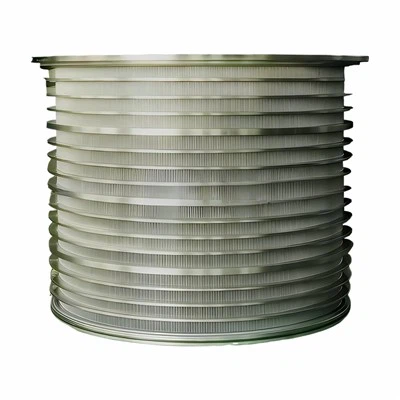
While making a homemade sieve is a great DIY project, sometimes you need something more professional. That's where we come in as a sieves supplier. We offer a wide range of high - quality sieves for different industries and applications.
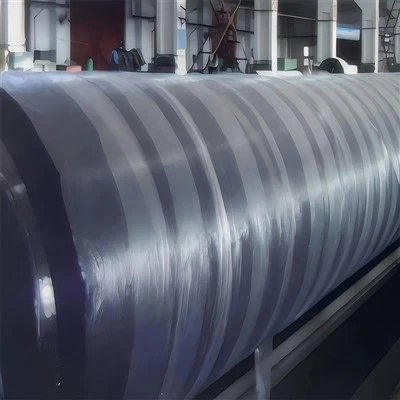
For example, check out our Fibernet Screen. It's designed for industrial cleaning and screening. The Fibernet Screen is made with high - quality materials that can withstand heavy use and provide efficient screening.
Another great option is our Paper Machine Vibrating Screen. This is specifically designed for the paper industry. It helps to separate fibers and other materials in the paper - making process, ensuring a high - quality end product.
Contact Us for Purchasing
If you're interested in our professional sieves, we'd love to hear from you. Whether you're a small business or a large industrial company, we can provide the right sieving solutions for you. Contact us to discuss your needs and get a quote. We're always happy to help you find the perfect sieve for your specific requirements.
References
- DIY Home Projects: A Guide to Making Simple Tools. A collection of various DIY tips and tricks for home - made tools.
- Industrial Sieving Handbook. A comprehensive guide on different types of sieves and their applications in various industries.