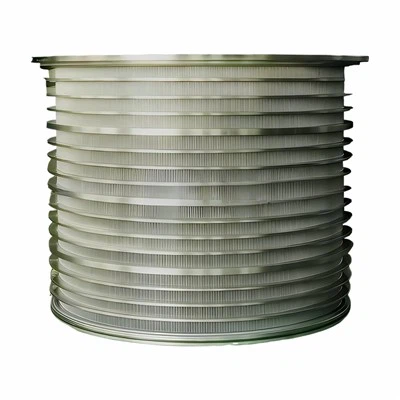
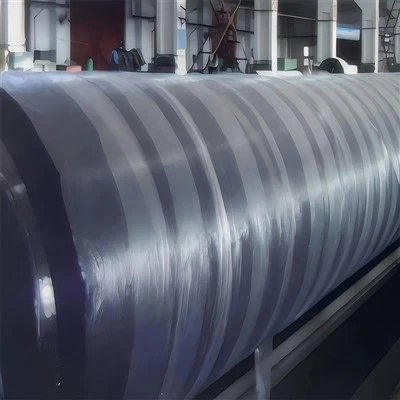
Hey there! I'm a supplier of calendering equipment, and today I wanna chat about how you can optimize your production process with our awesome calendering gear.
First off, let's get a basic understanding of calendering. Calendering is a process where materials like plastics, rubber, paper, or textiles are passed through a series of rollers to smooth, thin, or emboss them. It's a crucial step in many manufacturing industries, and having the right calendering equipment can make a world of difference in your production efficiency and product quality.
Choosing the Right Calendering Equipment
The first step in optimizing your production process is to pick the right calendering machine for your needs. We offer a range of calenders, including the 3600/400 Calender Machine and the 4200/500 Calender Machine. These machines are designed with different specifications to handle various materials and production volumes.
If you're working with smaller batches or thinner materials, the 3600/400 Calender Machine might be the perfect fit. It's more compact and offers precise control over the calendering process. On the other hand, if you're dealing with larger volumes and thicker materials, the 4200/500 Calender Machine is the way to go. It has a higher throughput and can handle more demanding production requirements.
Pre - production Preparation
Once you've chosen the right calendering equipment, proper pre - production preparation is key. This includes checking the machine for any signs of wear and tear, lubricating the moving parts, and ensuring that all the settings are correct.
You also need to prepare your raw materials. Make sure they are clean, dry, and have the right consistency. If the materials are too wet or contain impurities, it can affect the calendering process and the quality of the final product. For example, in the case of rubber calendering, the rubber compound should be properly mixed and pre - heated to the right temperature before entering the calender.
Optimizing Roller Settings
The rollers are the heart of the calendering equipment, and adjusting their settings is crucial for optimizing the production process. You need to set the right gap between the rollers, which determines the thickness of the calendered material. A smaller gap will result in a thinner product, while a larger gap will produce a thicker one.
The speed of the rollers also matters. Faster roller speeds can increase the production rate, but it might also affect the quality of the calendered material. You need to find the right balance between speed and quality. In addition, the temperature of the rollers can impact the material's flow and adhesion. For some materials, heating the rollers can make the calendering process smoother, while for others, cooling might be necessary.
Quality Control During Production
Quality control is an ongoing process during calendering. You should regularly check the thickness, smoothness, and appearance of the calendered material. Use measuring tools like micrometers and thickness gauges to ensure that the product meets your specifications.


If you notice any defects, such as uneven thickness or surface imperfections, you need to adjust the machine settings immediately. For example, if the material is too thick in some areas, you might need to decrease the roller gap or adjust the roller pressure.
Maintenance and Upkeep
Regular maintenance of your calendering equipment is essential for long - term optimization. Clean the rollers after each production run to remove any material residues. This will prevent the build - up of debris, which can affect the quality of the next batch.
Check the belts, chains, and other mechanical components for signs of wear and replace them as needed. Lubricate the moving parts to reduce friction and extend the lifespan of the machine. A well - maintained calendering equipment will not only run more efficiently but also produce higher - quality products.
Training Your Staff
Your staff plays a vital role in optimizing the production process. Make sure they are well - trained on how to operate the calendering equipment safely and efficiently. Provide them with training on machine settings, quality control, and maintenance procedures.
Encourage your staff to share their experiences and suggestions for improvement. They are the ones working with the machines every day, and they might have valuable insights on how to make the production process better.
Cost - effectiveness
Optimizing the production process with calendering equipment also means being cost - effective. By choosing the right machine, reducing waste through quality control, and minimizing downtime through maintenance, you can lower your production costs.
For example, using the right calender for your production volume can prevent over - or under - utilization of the machine, which can save energy and reduce wear and tear. Also, by producing high - quality products from the start, you can avoid rework and scrap, which are costly in terms of both materials and labor.
Integration with Other Processes
In many manufacturing setups, calendering is just one step in a larger production process. You need to ensure that your calendering equipment integrates well with other processes, such as extrusion, coating, or lamination.
For example, if you're calendering a plastic film that will later be coated, the calendered film should have the right surface properties for proper coating adhesion. Coordinate with the suppliers of other equipment to make sure that all the processes work smoothly together.
Conclusion
Optimizing the production process with calendering equipment is a multi - faceted task. It involves choosing the right machine, proper pre - production preparation, optimizing roller settings, quality control, maintenance, staff training, cost - effectiveness, and integration with other processes.
If you're looking to take your production to the next level, our calendering equipment can be a great asset. Whether you need the 3600/400 Calender Machine or the 4200/500 Calender Machine, we've got you covered.
If you're interested in learning more about how our calendering equipment can optimize your production process, feel free to reach out to us for a detailed discussion. We're here to help you make the most of your manufacturing operations.
References
- "Calendering Technology Handbook" - A comprehensive guide on calendering processes and equipment.
- Industry research reports on manufacturing optimization with calendering equipment.