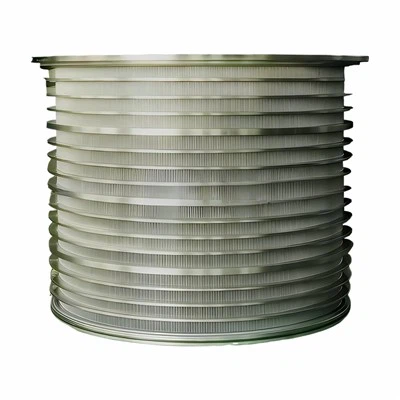
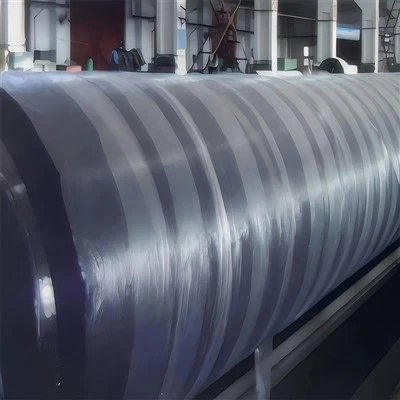
Hey there! As an expander roll supplier, I've seen firsthand the headaches that corrosion can cause for our customers. Corrosion not only shortens the lifespan of expander rolls but also affects their performance, leading to potential production issues. So, in this blog, I'm gonna share some practical tips on how to prevent corrosion on an expander roll.
Understanding the Enemy: What Causes Corrosion?
Before we dive into prevention methods, it's important to know what we're up against. Corrosion is basically a chemical reaction that happens when metal comes into contact with oxygen and moisture. In the case of expander rolls, there are a few common culprits.
- Moisture in the Environment: If your expander roll is used in a humid environment, like a paper mill or a textile factory, the moisture in the air can speed up the corrosion process. Water is like fuel for corrosion, and it can quickly eat away at the metal surface of the roll.
- Chemicals and Contaminants: Sometimes, the materials that come into contact with the expander roll can contain chemicals that are corrosive. For example, in a chemical processing plant, the chemicals used in the production process can react with the metal of the roll and cause corrosion.
- Lack of Proper Maintenance: If you don't take good care of your expander roll, it's more likely to corrode. Things like not cleaning the roll regularly or not applying protective coatings can leave the metal exposed to the elements and increase the risk of corrosion.
Prevention Methods
Now that we know what causes corrosion, let's talk about how to prevent it. Here are some effective strategies that you can implement to keep your expander roll in top shape.
Choose the Right Material
The first step in preventing corrosion is to choose the right material for your expander roll. Some metals are more resistant to corrosion than others. For example, stainless steel is a popular choice because it contains chromium, which forms a protective layer on the surface of the metal and prevents oxygen and moisture from reaching it.
Another option is to use a coated metal. Coating the expander roll with a corrosion-resistant material, like epoxy or polyurethane, can provide an extra layer of protection. These coatings act as a barrier between the metal and the environment, preventing corrosion from occurring.


Keep the Environment Dry
As I mentioned earlier, moisture is one of the main causes of corrosion. So, it's important to keep the environment around the expander roll as dry as possible. If you're using the roll in a humid area, you can install dehumidifiers to reduce the moisture content in the air.
You should also make sure that the expander roll is stored in a dry place when it's not in use. Avoid storing it in areas where there's a lot of water or where it can get wet, like near a water source or in a damp basement.
Clean the Roll Regularly
Regular cleaning is essential for preventing corrosion on an expander roll. Dirt, dust, and other contaminants can accumulate on the surface of the roll over time, and these can trap moisture and chemicals, which can lead to corrosion.
To clean the roll, you can use a mild detergent and water. Make sure to rinse the roll thoroughly after cleaning to remove any soap residue. You can also use a soft brush or cloth to gently scrub the surface of the roll to remove any stubborn dirt or contaminants.
Apply Protective Coatings
Applying a protective coating to the expander roll is another effective way to prevent corrosion. There are many different types of protective coatings available, each with its own advantages and disadvantages.
Some common types of protective coatings include:
- Epoxy Coatings: Epoxy coatings are very durable and provide excellent corrosion resistance. They're also resistant to chemicals and abrasion, making them a good choice for expander rolls that are used in harsh environments.
- Polyurethane Coatings: Polyurethane coatings are flexible and provide good protection against corrosion. They're also resistant to UV rays, making them a good choice for expander rolls that are used outdoors.
- Zinc Coatings: Zinc coatings are a popular choice for expander rolls because they provide sacrificial protection. This means that the zinc coating will corrode first, protecting the underlying metal from corrosion.
Monitor the Roll Regularly
Finally, it's important to monitor the expander roll regularly for signs of corrosion. Look for any discoloration, rust, or other signs of damage on the surface of the roll. If you notice any signs of corrosion, it's important to take action immediately to prevent it from getting worse.
You can also use non-destructive testing methods, like ultrasonic testing or magnetic particle testing, to detect any hidden corrosion or damage inside the roll. These tests can help you identify potential problems before they become serious and allow you to take corrective action.
Conclusion
Preventing corrosion on an expander roll is essential for ensuring its long-term performance and reliability. By choosing the right material, keeping the environment dry, cleaning the roll regularly, applying protective coatings, and monitoring the roll regularly, you can significantly reduce the risk of corrosion and extend the lifespan of your expander roll.
If you're in the market for an expander roll or need help with corrosion prevention, don't hesitate to reach out to us. We're a leading supplier of expander rolls and other roller equipment, and we have the expertise and experience to help you find the right solution for your needs. You can also check out our Expander Roll, ΦSizing Roll Operate Speed 1200m, and Ф 1500/5050 Press Roll products on our website.
Let's work together to keep your production running smoothly and efficiently!
References
- Jones, D. A. (1992). Principles and Prevention of Corrosion. Prentice Hall.
- Uhlig, H. H., & Revie, R. W. (1985). Corrosion and Corrosion Control: An Introduction to Corrosion Science and Engineering. Wiley-Interscience.
- Fontana, M. G. (1986). Corrosion Engineering. McGraw-Hill.