As a seasoned sieves supplier, I understand the critical importance of proper sieve storage. Sieves are indispensable tools in various industries, including food processing, pharmaceuticals, mining, and manufacturing. Their accurate performance directly impacts the quality of products and the efficiency of production processes. Therefore, ensuring their proper storage not only extends their service life but also maintains their precision and reliability. In this blog, I'll share some professional insights and practical tips on how to store sieves properly.
Understanding the Basics of Sieve Storage
Before delving into specific storage methods, it's essential to understand the factors that can affect the condition of sieves. Sieves are typically made of materials such as stainless steel, brass, or nylon, each with its own characteristics and susceptibility to damage. Common threats to sieve integrity include corrosion, mechanical damage, contamination, and deformation.
Corrosion is a major concern, especially for metal sieves. Exposure to moisture, chemicals, or harsh environmental conditions can cause rust and deterioration, which may compromise the sieve's mesh structure and accuracy. Mechanical damage, such as bending, scratching, or tearing, can occur during handling, transportation, or improper storage. Contamination from dust, dirt, or residues can clog the sieve openings and affect its sieving efficiency. Deformation can result from improper stacking or excessive pressure, leading to uneven mesh spacing and inaccurate particle separation.
Preparing Sieves for Storage
Proper preparation is the first step in ensuring the long - term storage of sieves. After each use, sieves should be thoroughly cleaned to remove any residual particles, debris, or contaminants. The cleaning method depends on the type of sieve and the nature of the material being sieved.
For metal sieves, a mild detergent and warm water solution can be used to soak and scrub the sieve gently. Avoid using abrasive cleaners or brushes that may scratch the surface. Rinse the sieve thoroughly with clean water and dry it completely to prevent corrosion. For nylon or other non - metal sieves, a soft brush or compressed air can be used to remove loose particles, followed by a gentle wash with a mild soap solution if necessary.
Once the sieve is clean, it's important to inspect it for any signs of damage. Check the mesh for tears, holes, or deformation, and examine the frame for cracks or bends. If any damage is detected, the sieve should be repaired or replaced before storage to ensure its continued functionality.
Choosing the Right Storage Environment
The storage environment plays a crucial role in preserving the quality of sieves. Ideally, sieves should be stored in a clean, dry, and temperature - controlled area.
Temperature and Humidity: Fluctuations in temperature and humidity can cause condensation, which can lead to corrosion and mold growth. The recommended storage temperature is between 10°C and 30°C, with a relative humidity of less than 60%. If the storage area is prone to high humidity, a dehumidifier can be used to maintain the appropriate moisture level.
Light and UV Exposure: Prolonged exposure to direct sunlight or ultraviolet (UV) light can cause damage to certain sieve materials, such as nylon. Store sieves in a dark or shaded area to prevent degradation of the material.
Ventilation: Good ventilation is essential to prevent the accumulation of moisture and fumes. Ensure that the storage area has adequate air circulation to keep the sieves dry and free from odors.
Storage Methods
There are several effective storage methods that can help protect sieves from damage and ensure their longevity.
Individual Packaging: Each sieve should be individually wrapped or placed in a protective container to prevent scratches, dents, and contamination. For metal sieves, a plastic bag or a soft cloth can be used to wrap the sieve, while non - metal sieves can be stored in a plastic case or a cardboard box. Label each package with the sieve's specifications, such as mesh size, diameter, and material, for easy identification.
Stacking and Shelving: When stacking sieves, it's important to use proper support and padding to prevent deformation. Place a soft material, such as foam or felt, between each sieve to cushion them and distribute the weight evenly. Avoid stacking sieves too high, as excessive pressure can cause the mesh to warp. Use sturdy shelves or cabinets to store the sieves, and ensure that they are level and stable.
Hanging Storage: For some types of sieves, hanging storage can be a practical option. This method allows for easy access and prevents the sieves from being crushed or damaged. Use hooks or hangers to suspend the sieves vertically, making sure that they are not touching each other or any other objects.


Special Considerations for Different Types of Sieves
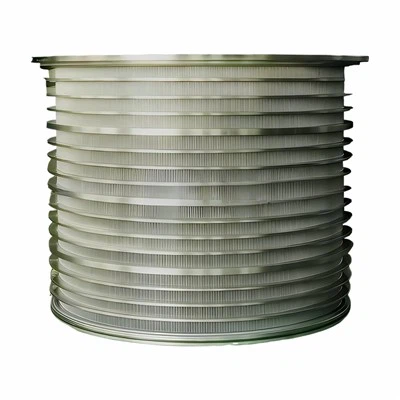
Fibernet Screen: The Fibernet Screen is a specialized type of sieve commonly used in the paper and pulp industry. Due to its delicate mesh structure, it requires extra care during storage. When storing Fibernet Screens, make sure they are stored flat to prevent the mesh from stretching or sagging. Wrap them in a clean, anti - static material to protect them from dust and static electricity, which can attract particles and clog the mesh.
Paper Machine Vibrating Screen: Paper Machine Vibrating Screens are often large and heavy. Before storage, it's important to disassemble the screen if possible to reduce the space required and make it easier to handle. Store the individual components in a way that they are protected from impact and corrosion. If the screen has any electrical or mechanical parts, make sure to follow the manufacturer's instructions for proper storage to prevent damage to these sensitive components.
Regular Inspection and Maintenance
Even when stored properly, sieves should be inspected regularly to ensure their continued quality. Check the sieves for any signs of corrosion, damage, or contamination at least once every few months. If any issues are detected, take immediate action to address them, such as cleaning, repairing, or replacing the sieve.
In addition to regular inspections, it's a good practice to perform maintenance tasks on the sieves periodically. This may include lubricating moving parts (if applicable), tightening loose screws or bolts, and calibrating the sieve if necessary.
Conclusion
Proper sieve storage is essential for maintaining the accuracy and longevity of these important tools. By following the guidelines outlined in this blog, you can ensure that your sieves remain in optimal condition, ready for use whenever needed. Whether you are a small - scale laboratory or a large - scale manufacturing facility, investing in proper sieve storage will pay off in terms of improved product quality, increased efficiency, and reduced costs.
If you are in the market for high - quality sieves or need further advice on sieve storage and maintenance, we are here to help. Our team of experts can provide you with professional solutions tailored to your specific needs. Contact us today to start a procurement discussion and take your sieving operations to the next level.
References
- ASTM International. (Year). Standard practices for sieve analysis. ASTM standards.
- Manufacturer's manuals for various sieve products.
- Industry - specific guidelines for sieving and screening processes.