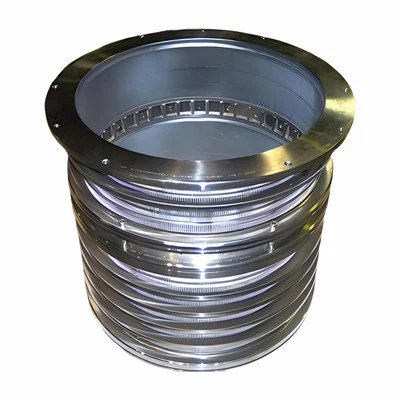
Transporting a pneumatic calibrator can be a bit of a headache, but with the right know - how, it can be done smoothly. As a pneumatic calibrator supplier, I've seen my fair share of transportation challenges and successes. So, let's dive into the details of how to transport a pneumatic calibrator effectively.
Pre - transport Preparation
Before you even think about moving the pneumatic calibrator, you need to do some prep work. First off, make sure you have all the necessary tools and materials on hand. You'll need packing materials like bubble wrap, foam inserts, and a sturdy shipping box. These items are crucial for protecting the calibrator during transit.
Inspect the calibrator thoroughly. Check for any loose parts, damage, or signs of wear and tear. If you find anything that could potentially cause problems during transportation, fix it before packing. This could involve tightening screws, replacing damaged components, or simply cleaning the device.
Next, gather all the accessories that come with the pneumatic calibrator. This includes cables, manuals, and any other small parts. You don't want to lose any of these items during transit. It's a good idea to pack them in a separate, labeled bag and place it inside the shipping box with the calibrator.
Choosing the Right Packaging
The packaging you choose for your pneumatic calibrator is super important. You want to make sure it can withstand the rigors of transportation. A good quality shipping box is a must. It should be large enough to fit the calibrator with plenty of room for packing materials.
Bubble wrap is your best friend when it comes to protecting the calibrator. Wrap the device tightly in multiple layers of bubble wrap. Pay special attention to any delicate parts or protruding components. You can also use foam inserts to provide additional cushioning. These inserts can be custom - cut to fit the shape of the calibrator, ensuring a snug and secure fit inside the box.


Once you've wrapped the calibrator, place it in the shipping box. Fill any empty spaces with packing peanuts or additional bubble wrap to prevent the calibrator from shifting during transit. Make sure the box is sealed properly with strong packing tape.
Selecting a Shipping Method
There are several shipping methods available, and the one you choose depends on a few factors. If you're shipping the pneumatic calibrator locally, you might consider using a courier service. They can usually deliver the package within a day or two, and they offer tracking services so you can keep an eye on your shipment.
For longer distances, you might want to use a freight carrier. Freight carriers are great for transporting larger and heavier items. They have the equipment and expertise to handle the shipment safely. However, it's important to choose a reputable freight carrier with a good track record of delivering sensitive equipment like pneumatic calibrators.
When selecting a shipping method, also consider the cost. Some shipping methods are more expensive than others, so you'll need to find a balance between cost and the level of service you need.
Labeling the Shipment
Proper labeling is essential when transporting a pneumatic calibrator. On the outside of the shipping box, clearly label it as "Fragile" and "Handle with Care". This will alert the shipping personnel to the delicate nature of the contents.
Include your contact information on the label, as well as the recipient's information. Make sure the addresses are accurate and up - to - date. You can also include a return address in case the package needs to be sent back for any reason.
Insurance and Tracking
It's always a good idea to insure your shipment. Accidents can happen during transportation, and having insurance will give you peace of mind. Most shipping companies offer insurance options, so make sure to ask about them when you're booking your shipment.
Tracking is another important aspect. With tracking, you can monitor the progress of your shipment and know exactly when it will arrive. This is especially useful if you need to coordinate the delivery with the recipient.
Special Considerations
If you're transporting the pneumatic calibrator internationally, there are some additional considerations. You'll need to comply with customs regulations, which may include providing detailed information about the contents of the package, such as the value and description of the calibrator.
Some countries have restrictions on the import of certain types of equipment, so it's important to do your research before shipping. You may also need to obtain any necessary permits or licenses.
Related Products
If you're in the market for other related equipment, we have some great options. Check out our Double Pneumatic Doctor, SS Frame Of Press Secton, and 700X3850 Vacuum Suction Box. These products are designed to work in harmony with your pneumatic calibrator and can enhance your overall operations.
Conclusion
Transporting a pneumatic calibrator requires careful planning and attention to detail. By following these steps, you can ensure that your calibrator arrives at its destination safely and in good working condition. If you have any questions or need more information about our pneumatic calibrators or related products, don't hesitate to reach out. We're here to help you with all your calibration needs. Contact us to start a purchase negotiation and take your operations to the next level.
References
- General knowledge from years of experience as a pneumatic calibrator supplier.
- Industry best practices for transporting sensitive equipment.