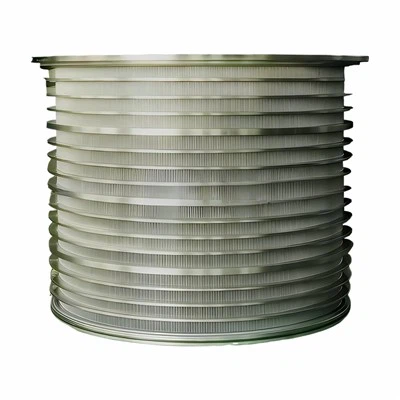
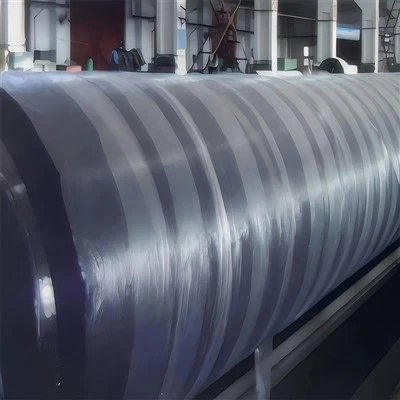
Sizing equipment plays a pivotal role in various industries, from textiles to manufacturing. As a sizing equipment supplier, I have witnessed firsthand the diverse requirements and dimensions that are crucial for these machines. In this blog, we will explore the key dimensions of sizing equipment, which will help you understand the factors to consider when choosing the right equipment for your specific needs.
Physical Dimensions
The physical dimensions of sizing equipment are among the first aspects to take into account. These dimensions include the length, width, and height of the machine. The overall size of the equipment is determined by its design, the number of components, and the intended production capacity.
Length
The length of a sizing machine is an important factor, especially in a production facility where space is a concern. Longer machines often have a larger capacity for processing materials. For example, the 5600/550 Sizing Machine is designed with a specific length that allows for efficient sizing of a significant amount of material in a single pass. This length is optimized to ensure that the sizing process is smooth and continuous, without causing bottlenecks in the production line.
Width
The width of the sizing equipment is related to the width of the materials it can handle. In the textile industry, for instance, different fabrics come in various widths. A wider sizing machine can accommodate broader fabrics, which is essential for large - scale production. The 5800/800 Sizing Machine has a suitable width to handle a wide range of fabric widths, providing flexibility for different production requirements.
Height
The height of the sizing equipment is also significant, especially in facilities with limited ceiling heights. A taller machine may offer more features or a larger internal capacity, but it needs to fit within the available space. Additionally, the height can affect the ease of operation and maintenance. Machines with a reasonable height are more accessible for operators to load and unload materials and perform regular inspections.
Production - Related Dimensions
Production - related dimensions are directly associated with the machine's ability to produce sized materials efficiently and effectively.
Speed
The speed of a sizing machine is a critical dimension. It is measured in terms of the rate at which the material can be processed through the sizing unit. High - speed machines can significantly increase production output, which is beneficial for large - scale manufacturing. However, the speed also needs to be balanced with the quality of sizing. A machine that operates too fast may not apply the sizing evenly, resulting in inconsistent product quality.
Throughput
Throughput refers to the amount of material that can be processed by the sizing equipment within a given time frame. It is influenced by factors such as the machine's speed, the width of the material it can handle, and the efficiency of the sizing process. A high - throughput sizing machine can meet the demands of mass production. For example, a sizing machine with a large width and high - speed operation can achieve a significantly higher throughput compared to a smaller, slower machine.
Capacity
The capacity of a sizing machine is closely related to its throughput. It can refer to the maximum amount of sizing agent the machine can hold or the amount of material it can size in a single batch or continuous operation. A larger capacity machine can reduce the frequency of refilling sizing agents or changing material rolls, leading to increased productivity.
Quality - Related Dimensions
Quality is of utmost importance in the sizing process, and several dimensions of the sizing equipment contribute to ensuring high - quality products.
Precision
Precision in sizing equipment refers to the ability to apply the sizing agent evenly and accurately to the material. This is crucial for maintaining consistent product quality. Advanced sizing machines are equipped with precision control systems that can adjust the amount of sizing agent applied based on the material's characteristics and the desired level of sizing.
Uniformity
Uniformity is related to precision but focuses more on the even distribution of the sizing agent across the entire width and length of the material. A machine with good uniformity ensures that all parts of the material receive the same amount of sizing, which is essential for products such as textiles, where uneven sizing can lead to differences in fabric strength and appearance.
Consistency
Consistency in sizing equipment means that the machine can produce the same level of sizing quality over time. This is achieved through reliable mechanical components, stable control systems, and proper maintenance. A consistent sizing machine reduces the likelihood of product defects and ensures that customers receive products of the same high quality every time.
Compatibility Dimensions
Sizing equipment needs to be compatible with various aspects of the production environment.


Material Compatibility
The sizing machine must be compatible with the type of materials it is intended to size. Different materials, such as natural fibers, synthetic fibers, or plastics, have different properties and require different types of sizing agents and processing conditions. A good sizing machine should be able to accommodate a wide range of materials or be customizable to meet specific material requirements.
Sizing Agent Compatibility
Just as the machine needs to be compatible with different materials, it also needs to be compatible with various sizing agents. Different sizing agents have different viscosities, chemical compositions, and drying requirements. The sizing equipment should be able to handle these differences effectively to ensure proper sizing.
Integration Compatibility
In modern production facilities, sizing equipment often needs to be integrated into existing production lines. This means that the machine should be compatible with other equipment in terms of mechanical connections, electrical interfaces, and control systems. Seamless integration can improve overall production efficiency and reduce the risk of compatibility issues.
Maintenance and Safety Dimensions
Maintenance and safety are two important dimensions that should not be overlooked when choosing sizing equipment.
Maintenance Requirements
Easy maintenance is crucial for minimizing downtime and ensuring the long - term performance of the sizing machine. A well - designed machine should have accessible components, clear maintenance instructions, and a reliable supply of spare parts. Regular maintenance can prevent breakdowns and extend the lifespan of the equipment.
Safety Features
Safety is a top priority in any production environment. Sizing equipment should be equipped with safety features such as emergency stop buttons, protective guards, and safety interlocks. These features protect operators from potential hazards, such as moving parts, hot surfaces, or chemical spills.
Conclusion
In conclusion, the dimensions of sizing equipment are multi - faceted, encompassing physical, production - related, quality - related, compatibility, maintenance, and safety aspects. As a sizing equipment supplier, we understand the importance of these dimensions and strive to provide machines that meet the diverse needs of our customers.
If you are in the market for sizing equipment and want to discuss your specific requirements, we invite you to reach out to us for a detailed consultation. Our team of experts is ready to assist you in choosing the right sizing equipment for your production needs. Contact us today to start the procurement process and take your production to the next level.
References
- Textile Machinery Handbook, various editions
- Industry reports on sizing equipment technology and market trends