Sieve clogging is a common and frustrating issue that many industries face when using sieves for various screening processes. As a sieves supplier, I've witnessed firsthand the challenges that clogged sieves can pose to our customers' operations. In this blog, I'll delve into the various factors that cause sieve clogging, offering insights and solutions to help you better manage this problem.
1. Particle Characteristics
Shape
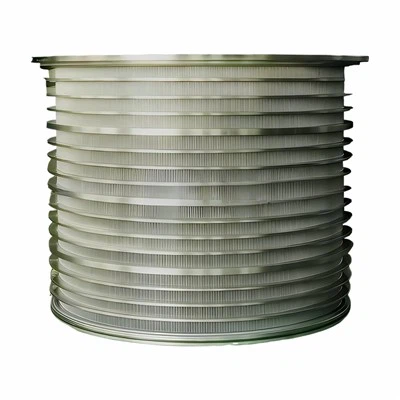
The shape of the particles being screened plays a significant role in sieve clogging. Irregularly shaped particles, such as flakes, fibers, or elongated particles, are more likely to get stuck in the sieve openings. Unlike spherical particles that can easily roll through the sieve, irregular particles can wedge themselves into the mesh, causing blockages. For example, in the paper industry, when screening pulp, the long fibers can entangle with each other and the sieve mesh, leading to clogging. The Paper Machine Vibrating Screen is designed to handle fibrous materials, but the shape of the fibers still presents a challenge.
Size Distribution
A wide size distribution of particles can also contribute to sieve clogging. When there is a large variation in particle size, smaller particles can fill the gaps between larger particles, creating a compacted layer on the sieve surface. This layer can prevent larger particles from passing through and increase the likelihood of clogging. For instance, in the mining industry, when screening ore, if the ore contains a mix of fine dust and large chunks, the fine dust can accumulate on the sieve and block the passage of the larger pieces.
Surface Properties
The surface properties of particles, such as stickiness or static charge, can cause them to adhere to the sieve mesh. Sticky particles, like wet clay or some types of polymers, can coat the sieve wires, reducing the effective opening size and eventually leading to clogging. Static charge can also cause particles to attract to each other and the sieve surface. In the pharmaceutical industry, when screening powders, static electricity can cause the powder particles to clump together and stick to the sieve, making it difficult for the screening process to continue smoothly.


2. Sieve Design and Material
Mesh Opening Size and Shape
The size and shape of the sieve mesh openings are crucial factors in preventing clogging. If the mesh openings are too small for the particles being screened, clogging is inevitable. On the other hand, if the openings are too large, the screening efficiency will be compromised. The shape of the openings also matters. Square or rectangular openings are more prone to clogging than round or slotted openings, as particles are more likely to get trapped in the corners. Our Fibernet Screen is engineered with optimized mesh opening sizes and shapes to minimize clogging while maintaining high screening accuracy.
Sieve Material
The material of the sieve can affect its susceptibility to clogging. Some materials, such as stainless steel, are more resistant to corrosion and wear, which can help prevent clogging caused by rust or damage to the mesh. However, if the sieve material is too smooth, particles may not be able to pass through easily, especially if they have a tendency to stick. On the other hand, a rough surface can cause particles to get caught, leading to clogging. Choosing the right sieve material based on the properties of the particles being screened is essential.
3. Operating Conditions
Feed Rate
An excessive feed rate can overwhelm the sieve, causing particles to pile up on the surface and increasing the likelihood of clogging. When too many particles are introduced at once, they don't have enough time to pass through the sieve, and the sieve becomes overloaded. It's important to adjust the feed rate according to the capacity of the sieve and the characteristics of the particles. For example, in a food processing plant, if the feed rate of flour into a sieve is too high, the sieve will quickly become clogged, affecting the quality and efficiency of the production process.
Vibration Intensity and Frequency
Vibration is an important factor in sieve operation, as it helps to move particles through the sieve and prevent them from settling. However, if the vibration intensity is too low, the particles may not be agitated enough to pass through the sieve, leading to clogging. On the other hand, if the vibration intensity is too high, it can cause the sieve to wear out quickly and may also damage the particles. The frequency of vibration also matters. A proper combination of vibration intensity and frequency is needed to ensure efficient screening and prevent clogging.
Moisture Content
The moisture content of the particles being screened can have a significant impact on sieve clogging. Wet particles are more likely to stick together and to the sieve mesh, causing blockages. In industries such as agriculture or construction, when screening materials like sand or soil, high moisture content can make the screening process extremely difficult. It's important to control the moisture content of the particles before screening, either by drying them or using a sieve design that is more suitable for wet materials.
4. Environmental Factors
Temperature and Humidity
Extreme temperatures and high humidity can affect the properties of the particles and the sieve material, leading to clogging. High temperatures can cause some materials to expand or become more sticky, while low temperatures can make them brittle. High humidity can increase the moisture content of the particles, as mentioned earlier. In a chemical plant, for example, if the screening process is carried out in a hot and humid environment, the chemicals being screened may react with the sieve material or stick together, causing clogging.
Dust and Contaminants
The presence of dust and contaminants in the screening environment can also contribute to sieve clogging. Dust can accumulate on the sieve surface and block the openings, while contaminants can react with the particles or the sieve material, causing them to stick. In a manufacturing facility, if the air is full of dust, it's important to have proper ventilation and dust collection systems in place to prevent dust from settling on the sieve.
Solutions to Sieve Clogging
To address the issue of sieve clogging, several solutions can be implemented. Firstly, choosing the right sieve design and material based on the particle characteristics and operating conditions is crucial. Our company offers a wide range of sieves, including the Paper Machine Vibrating Screen and Fibernet Screen, which are designed to minimize clogging and improve screening efficiency.
Secondly, proper maintenance of the sieve is essential. Regular cleaning of the sieve can remove any accumulated particles and prevent clogging. Using appropriate cleaning methods, such as ultrasonic cleaning or air blowing, can help to keep the sieve in good condition.
Thirdly, adjusting the operating conditions, such as feed rate, vibration intensity, and moisture content, can also help to prevent clogging. By optimizing these parameters, the screening process can be made more efficient and reliable.
If you're facing sieve clogging issues in your operations, don't hesitate to contact us. As a professional sieves supplier, we have the expertise and experience to provide you with the best solutions for your specific needs. Whether you need a new sieve design, advice on operating conditions, or maintenance tips, we're here to help. Let's work together to overcome the challenges of sieve clogging and improve the efficiency of your screening processes.
References
- Perry, R. H., & Green, D. W. (2008). Perry's Chemical Engineers' Handbook. McGraw-Hill.
- Svarovsky, L. (1990). Solid-Liquid Separation. Butterworth-Heinemann.
- Allen, T. (1997). Particle Size Measurement. Chapman & Hall.