Hey there! As a supplier of Screw Press Thickeners, I often get asked about the shutdown procedure of these machines. So, I thought I'd put together this blog post to share all the details.
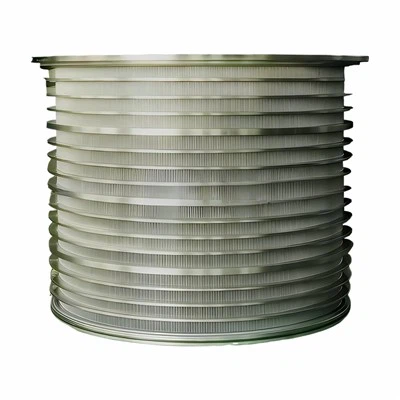
First off, let's talk a bit about what a Screw Press Thickener is. It's a key piece of equipment used in various industries, especially in the pulp and paper industry. It helps in thickening pulp by removing excess water. If you want to know more about it, you can check out our Screw Press Thickener page on our website.
Now, let's dive into the shutdown procedure.
Step 1: Stop the Feed
The first thing you need to do when shutting down a Screw Press Thickener is to stop the feed of the material. This could be pulp in the paper industry. Once you've stopped the feed, let the machine run for a little while to process the remaining material inside. This helps to prevent any blockages or build - up in the screw.
For example, if you're using the thickener to process pulp, you'll want to make sure that all the pulp that's already in the system gets processed before you move on to the next step. This usually takes a few minutes, depending on how much material was left in the machine when you stopped the feed.
Step 2: Drain the Liquid
After the machine has processed the remaining material, it's time to drain the liquid. Most Screw Press Thickeners have a drainage system that allows you to remove the excess water or other liquids that have been separated from the material.
Open the drainage valves and let the liquid flow out. Make sure you have a proper collection system in place to handle the drained liquid. This is important not only for environmental reasons but also to prevent any mess around the machine.
Step 3: Clean the Machine
Cleaning is a crucial part of the shutdown procedure. Over time, material can build up on the screw, the screen, and other parts of the thickener. This build - up can affect the performance of the machine and even cause damage if left unchecked.
Start by using a high - pressure water jet to clean the screw. Make sure you cover all the surfaces of the screw to remove any remaining material. Then, clean the screen. The screen is responsible for separating the liquid from the solid material, so it's important to keep it clean. You can use a brush or a cleaning solution to remove any stubborn dirt or debris from the screen.
If you're dealing with a particularly sticky or difficult - to - clean material, you might need to use a specialized cleaning agent. Just make sure you follow the manufacturer's instructions when using any cleaning agents to avoid damaging the machine.


Step 4: Check for Wear and Tear
While the machine is shut down, it's a good time to check for any signs of wear and tear. Inspect the screw for any signs of damage, such as cracks or excessive wear. The bearings are also an important part to check. Bearings that are worn out can cause the machine to run less efficiently and may even lead to breakdowns.
If you notice any issues during the inspection, it's important to address them as soon as possible. You can either repair the damaged parts yourself if you have the necessary skills and tools, or you can contact a professional maintenance service.
Step 5: Power Off the Machine
Once you've completed all the above steps, it's time to power off the machine. Make sure you follow the correct procedure for shutting off the power. This usually involves turning off the main power switch and then unplugging the machine from the power source.
It's also a good idea to label the power switch as "off" or "shutdown" to avoid any accidental startup.
Step 6: Document the Shutdown
Finally, it's important to document the shutdown process. Keep a record of the date and time of the shutdown, any issues you encountered during the shutdown, and the steps you took to address them. This documentation can be very useful for future maintenance and troubleshooting.
Now, you might be wondering how a Screw Press Thickener compares to other equipment in the industry. For instance, we also offer a High - speed Washer. While a High - speed Washer is mainly used for washing the pulp, a Screw Press Thickener focuses on thickening it. Each piece of equipment has its own unique features and functions, and in some cases, they can be used together in a production line to achieve the best results.
If you're in the market for a Screw Press Thickener or have any questions about the shutdown procedure or our other products, don't hesitate to reach out. We're here to help you make the best decision for your business. Whether you're a small - scale operation or a large industrial plant, we have the right solutions for you.
Contact us to start a conversation about your specific needs and how our Screw Press Thickeners can fit into your production process. We're confident that our products will meet your requirements and provide you with reliable performance.
References
- Industry standard guidelines for pulp and paper equipment maintenance
- Manufacturer's manual for Screw Press Thickeners