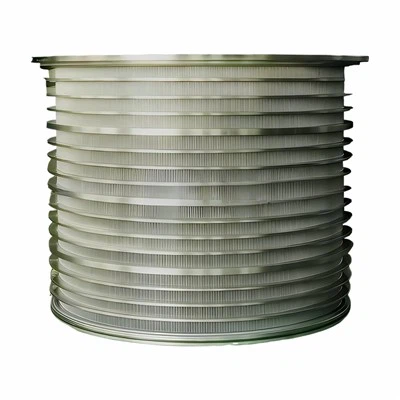
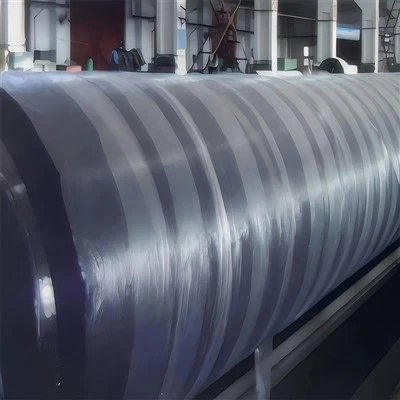
Hey there, folks! As a supplier of Expander Rolls, I often get asked if these nifty gadgets can be integrated into an automated production system. Well, let me tell you, the short answer is a resounding yes! But there's a lot more to it than that, so let's dive in and explore the ins and outs of integrating an Expander Roll into an automated setup.
Understanding the Expander Roll
First things first, let's talk about what an Expander Roll actually is. In simple terms, an Expander Roll is a type of roller that's designed to expand or stretch a material as it passes over the roll. This can be super useful in a variety of industries, from paper and textile manufacturing to packaging and printing. The main purpose of an Expander Roll is to eliminate wrinkles, folds, and other imperfections in the material, ensuring a smooth and even surface.
There are different types of Expander Rolls out there, each with its own unique design and functionality. Some Expander Rolls use a mechanical design, where the roll is made up of multiple segments that can expand or contract to adjust the width of the material. Others use a pneumatic or hydraulic system to achieve the same effect. The choice of Expander Roll depends on the specific requirements of the production process, such as the type of material being processed, the desired level of expansion, and the speed of the production line.
The Benefits of Integration
Now that we know what an Expander Roll is, let's talk about why you might want to integrate it into an automated production system. There are several key benefits to doing so:
- Increased Efficiency: Automation is all about making processes faster and more efficient. By integrating an Expander Roll into an automated system, you can eliminate the need for manual intervention, which can save time and reduce the risk of human error. For example, in a paper manufacturing plant, an automated Expander Roll can continuously expand the paper web as it moves through the production line, without the need for an operator to constantly monitor and adjust the roll.
- Improved Quality: An Expander Roll can help to improve the quality of the final product by ensuring a smooth and even surface. When integrated into an automated system, the roll can be programmed to apply a consistent amount of expansion force, which can result in a more uniform product. This is especially important in industries where product quality is crucial, such as the textile and packaging industries.
- Reduced Costs: Automation can also help to reduce costs in the long run. By eliminating the need for manual labor, you can save on labor costs and increase productivity. Additionally, an automated Expander Roll can help to reduce waste by ensuring that the material is processed correctly the first time, which can save on raw material costs.
Challenges of Integration
Of course, integrating an Expander Roll into an automated production system isn't without its challenges. Here are some of the main issues you might encounter:
- Compatibility: One of the biggest challenges is ensuring that the Expander Roll is compatible with the existing automated system. This includes factors such as the size and shape of the roll, the type of drive system, and the control interface. It's important to work closely with the manufacturer of the Expander Roll and the automated system to ensure that they are fully compatible.
- Programming and Setup: In order to integrate an Expander Roll into an automated system, you'll need to program the system to control the roll. This can be a complex process, especially if you're not familiar with programming languages and automation software. It's important to have a skilled technician or engineer on hand to handle the programming and setup.
- Maintenance and Support: Like any other piece of equipment, an Expander Roll will require regular maintenance and support. This includes tasks such as cleaning, lubrication, and replacement of worn parts. When integrating the roll into an automated system, it's important to have a plan in place for maintenance and support to ensure that the system runs smoothly and efficiently.
Overcoming the Challenges
Despite the challenges, there are several ways to overcome them and successfully integrate an Expander Roll into an automated production system. Here are some tips:


- Choose the Right Supplier: When selecting an Expander Roll, it's important to choose a supplier that has experience in integrating their products into automated systems. A good supplier will be able to provide you with technical support and guidance throughout the integration process.
- Work with a System Integrator: If you're not familiar with automation technology, it's a good idea to work with a system integrator. A system integrator can help you to design and implement the automated system, including the integration of the Expander Roll.
- Invest in Training: To ensure that your staff is able to operate and maintain the automated system, it's important to invest in training. This can include training on the operation of the Expander Roll, the programming of the automated system, and the maintenance and support of the equipment.
Real-World Examples
To give you a better idea of how an Expander Roll can be integrated into an automated production system, let's take a look at some real-world examples:
- Paper Manufacturing: In a paper manufacturing plant, an Expander Roll can be integrated into the paper machine to eliminate wrinkles and improve the quality of the paper. The roll can be programmed to adjust the expansion force based on the speed and tension of the paper web, ensuring a smooth and even surface.
- Textile Manufacturing: In the textile industry, an Expander Roll can be used to stretch and flatten fabric as it passes through the production line. By integrating the roll into an automated system, the fabric can be processed more efficiently and with greater precision, resulting in a higher-quality product.
- Packaging Industry: In the packaging industry, an Expander Roll can be used to ensure that the packaging material is properly aligned and stretched before it is cut and sealed. By integrating the roll into an automated system, the packaging process can be streamlined and made more efficient, reducing costs and improving productivity.
Conclusion
So, can an Expander Roll be integrated into an automated production system? Absolutely! With the right planning, preparation, and support, an Expander Roll can be a valuable addition to any automated production system. Whether you're in the paper, textile, packaging, or any other industry, an Expander Roll can help you to improve efficiency, quality, and productivity.
If you're interested in learning more about how an Expander Roll can benefit your automated production system, or if you're ready to start the integration process, don't hesitate to reach out. We're here to help you every step of the way.
References
- Paper Industry Handbook: Covers the technology and processes of paper manufacturing, including the use of rollers.
- Textile Manufacturing Principles and Practice: Discusses the role of rollers in textile production.
- Packaging Automation Guide: Provides insights into integrating equipment into packaging production lines.