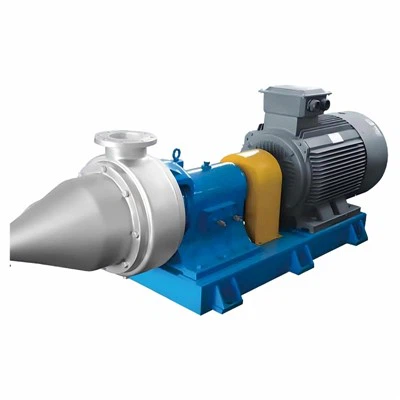
As a seasoned supplier of pressure screens, I've witnessed firsthand the dynamic evolution of the pulp and paper industry. One question that frequently arises among our clients is whether pressure screens can be upgraded. The short answer is yes, pressure screens can and often should be upgraded. In this blog, I'll delve into the reasons for upgrading, the types of upgrades available, and how these upgrades can benefit your operations.
Why Upgrade Pressure Screens?
Efficiency and Productivity
Over time, the performance of pressure screens can decline due to wear and tear. Upgrading can significantly enhance the efficiency of your screening process. Newer models are designed with advanced technology that allows for higher throughput rates. For example, the latest Inflow Pre-net Screen features an optimized design that improves the separation of fibers and contaminants, leading to a more efficient screening process. This increased efficiency translates into higher productivity, as more pulp can be processed in less time.
Quality Improvement
Upgrading pressure screens can also lead to improved product quality. As the industry demands higher - quality paper products, it's essential to have screening equipment that can meet these standards. Modern pressure screens are equipped with finer screening elements that can remove smaller contaminants, resulting in a cleaner and more uniform pulp. The Inflow Fine Pressure Screen is specifically designed for this purpose, with precision - engineered screens that can capture even the tiniest particles, ensuring a high - quality end product.
Energy Savings
Older pressure screens may consume more energy than necessary. Upgrading to newer models can lead to significant energy savings. Newer designs often incorporate energy - efficient motors and advanced hydraulic systems that reduce power consumption. This not only lowers your operating costs but also aligns with environmental sustainability goals.
Adaptability to New Processes
The pulp and paper industry is constantly evolving, with new processes and raw materials being introduced. Upgrading your pressure screens allows you to adapt to these changes. For instance, if you're starting to use a different type of pulp or implementing a new production process, an upgraded pressure screen can be configured to handle these changes effectively.
Types of Upgrades
Screening Element Upgrade
One of the most common upgrades is the replacement of screening elements. Over time, the perforations in the screen plates can wear out, leading to reduced screening efficiency. Upgrading to high - quality, precision - made screening elements can improve the separation of fibers and contaminants. These new elements are often made from advanced materials that are more durable and resistant to wear, ensuring a longer service life.
Rotor Upgrade
The rotor is a critical component of a pressure screen. Upgrading to a more advanced rotor design can improve the screening performance. New rotors are designed to create a more uniform flow of pulp through the screen, reducing the risk of blockages and improving the overall efficiency of the screening process. The Coarse Screen Up - flow Pressure Screen often benefits from rotor upgrades, as it can enhance the handling of larger particles.
Control System Upgrade
Modern pressure screens are equipped with advanced control systems that allow for precise monitoring and adjustment of the screening process. Upgrading the control system of your existing pressure screen can provide better control over parameters such as flow rate, pressure, and rotor speed. This results in a more consistent and efficient screening process, as well as easier troubleshooting and maintenance.
Hydraulic System Upgrade
The hydraulic system in a pressure screen is responsible for maintaining the proper pressure and flow of pulp. Upgrading the hydraulic system can improve the reliability and performance of the screen. Newer hydraulic systems are more efficient, with better pressure regulation and faster response times, ensuring a smooth and consistent screening process.
Case Studies: The Impact of Upgrades
Let's take a look at some real - world examples of how pressure screen upgrades have benefited our clients.
Case Study 1: A Mid - Sized Paper Mill
A mid - sized paper mill was experiencing issues with the quality of its pulp due to an aging pressure screen. The screen was unable to effectively remove contaminants, resulting in a high reject rate. After upgrading to a new Inflow Fine Pressure Screen, the mill saw a significant improvement in pulp quality. The reject rate decreased by 30%, and the overall production efficiency increased by 20%. This upgrade not only improved the quality of the final product but also reduced production costs.


Case Study 2: A Large - Scale Pulp Producer
A large - scale pulp producer was facing energy efficiency issues with its existing pressure screens. After upgrading the hydraulic and control systems of its pressure screens, the producer was able to reduce energy consumption by 15%. The upgraded control system also allowed for more precise control of the screening process, resulting in a more consistent product quality.
How to Plan for an Upgrade
Assessment
The first step in planning an upgrade is to conduct a thorough assessment of your existing pressure screens. This includes evaluating the current performance, identifying any issues or limitations, and determining the specific requirements for the upgrade. Our team of experts can assist you in this assessment, providing a detailed analysis of your equipment and recommending the most suitable upgrade options.
Budgeting
Once you have a clear understanding of the upgrade requirements, it's important to develop a budget. Consider the cost of the upgrade itself, as well as any associated costs such as installation, training, and maintenance. We can work with you to develop a cost - effective upgrade plan that meets your budgetary constraints.
Implementation
After finalizing the upgrade plan and budget, the next step is to implement the upgrade. Our experienced technicians will handle the installation and commissioning of the upgraded equipment, ensuring a smooth transition. We also provide comprehensive training to your staff to ensure they are familiar with the new equipment and its operation.
Conclusion
In conclusion, pressure screens can and should be upgraded to keep up with the changing demands of the pulp and paper industry. Upgrading can lead to improved efficiency, product quality, energy savings, and adaptability to new processes. Whether you're looking to upgrade the screening elements, rotor, control system, or hydraulic system, there are a variety of options available to suit your specific needs.
If you're interested in learning more about upgrading your pressure screens or would like to discuss your specific requirements, please don't hesitate to contact us. Our team of experts is ready to assist you in finding the best upgrade solution for your operations.
References
- Pulp and Paper Handbook, 3rd Edition
- Industry reports on pulp and paper technology advancements