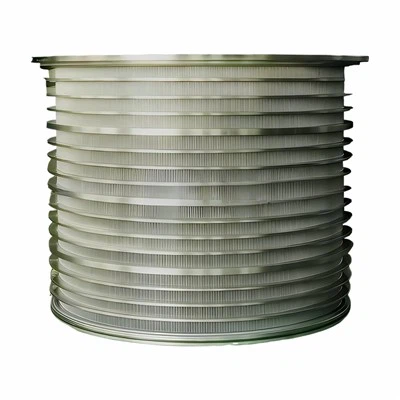
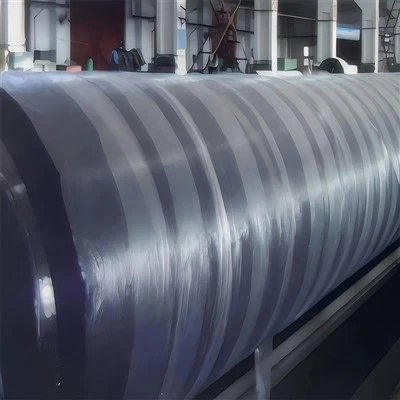
Hey there! As a supplier of Paper Machine Kneaders, I've seen firsthand how the structure of these machines plays a crucial role in their performance. Today, I'm gonna break down the key structural elements of a paper machine kneader and explain how they contribute to its overall efficiency and effectiveness.


Let's start with the basics. A Paper Machine Kneader is a vital piece of equipment in the paper - making process. It's designed to mix and refine pulp, ensuring that the fibers are well - dispersed and ready for the next stages of papermaking.
The Housing and Frame
The housing and frame of a paper machine kneader are like the backbone of the entire system. They provide the structural support needed to withstand the high - pressure and high - speed operations that occur inside the kneader. A sturdy frame is essential because it keeps all the components in place and prevents any unwanted vibrations or movements. If the frame isn't strong enough, it can lead to misalignment of the internal parts, which can significantly impact the kneader's performance. For example, a wobbly frame might cause uneven mixing of the pulp, resulting in inconsistent paper quality.
The Rotors
The rotors are the heart of the paper machine kneader. These are the rotating parts that do the actual work of kneading and mixing the pulp. The design of the rotors is critical. They usually have a series of blades or teeth that are carefully arranged to create a shearing action. When the rotors spin, the blades cut through the pulp, breaking up any clumps and ensuring that the fibers are evenly distributed.
There are different types of rotors, and their design can vary depending on the specific requirements of the papermaking process. Some rotors are designed for high - intensity kneading, which is great for breaking down tough fibers. Others are more focused on gentle mixing, which is ideal for delicate pulp types. The shape, size, and spacing of the blades on the rotors all contribute to the kneader's performance. A well - designed rotor can increase the efficiency of the kneading process, reducing the time and energy required to achieve the desired pulp quality.
The Chamber
The chamber is where all the action happens. It's the enclosed space where the pulp is kneaded. The size and shape of the chamber can have a big impact on the kneader's performance. A larger chamber can hold more pulp, allowing for higher production rates. However, it also needs to be designed in a way that ensures proper mixing.
The chamber's walls are often lined with special materials to prevent the pulp from sticking. This is important because if the pulp sticks to the walls, it can reduce the efficiency of the kneading process and make it harder to clean the machine. Some chambers are also designed with baffles or other internal structures to improve the flow of the pulp and enhance the mixing action.
The Drive System
The drive system is what powers the rotors. It typically consists of an electric motor and a series of gears or belts. A reliable drive system is essential for maintaining a consistent speed and torque. If the drive system fails or malfunctions, it can lead to uneven kneading and poor paper quality.
Modern paper machine kneaders often use advanced drive systems that can be easily adjusted to meet the specific requirements of the papermaking process. For example, the speed of the rotors can be increased or decreased depending on the type of pulp being processed. This flexibility allows for greater control over the kneading process and ensures that the final paper product meets the desired standards.
The Feeding and Discharging Systems
The feeding and discharging systems are responsible for getting the pulp into and out of the kneader. A well - designed feeding system ensures that the pulp is evenly distributed into the chamber. This is important because uneven feeding can lead to inconsistent kneading. The feeding system might include conveyors, hoppers, or other mechanisms to transport the pulp.
The discharging system, on the other hand, needs to be efficient in removing the kneaded pulp from the chamber. It should be designed to prevent any blockages or backups. Some discharging systems use gravity, while others use pumps or other mechanical devices to move the pulp out of the kneader.
How the Structure Affects Performance
Now that we've looked at the key structural elements, let's talk about how they all work together to contribute to the performance of the paper machine kneader.
First of all, the combination of a strong frame, well - designed rotors, and a properly sized chamber ensures that the kneading process is efficient. The rotors can spin smoothly without any interference, and the pulp can flow freely through the chamber. This results in a more consistent and thorough mixing of the fibers, which is essential for producing high - quality paper.
The drive system plays a crucial role in maintaining the right speed and torque. By adjusting the speed of the rotors, we can control the intensity of the kneading process. This allows us to adapt to different types of pulp and achieve the desired level of fiber dispersion.
The feeding and discharging systems also have a significant impact on performance. A smooth and efficient feeding system ensures that the kneader is constantly supplied with fresh pulp, while a reliable discharging system allows the kneaded pulp to be quickly removed, preventing any bottlenecks in the production process.
Comparison with Other Equipment
It's worth comparing the paper machine kneader with other equipment in the papermaking process, like the Disc Heat - Disperser. While both are used to process pulp, they have different functions. The disc heat - disperser is mainly used for heat - treating and dispersing contaminants in the pulp. In contrast, the paper machine kneader focuses on the mechanical mixing and refining of the fibers.
The structure of the paper machine kneader gives it an edge in terms of fiber dispersion. The rotors and chamber are designed to create a high - shear environment that can break up even the toughest fiber clumps. The disc heat - disperser, on the other hand, relies more on heat and pressure to achieve its results.
Conclusion
In conclusion, the structure of a paper machine kneader is a complex and carefully designed system that has a direct impact on its performance. From the housing and frame to the rotors, chamber, drive system, and feeding and discharging systems, every component plays a vital role in ensuring efficient and effective pulp kneading.
If you're in the market for a paper machine kneader, it's important to consider the structural features of different models. A well - designed kneader can save you time, energy, and money in the long run by producing high - quality paper more efficiently.
If you're interested in learning more about our Paper Machine Kneaders or have any questions about how they can fit into your papermaking process, don't hesitate to reach out. We're here to help you find the best solution for your needs.
References
- Smith, J. (2020). "Advances in Papermaking Equipment". Paper Industry Journal.
- Johnson, A. (2019). "The Role of Kneaders in Pulp Refining". Pulp and Paper Technology Review.