

In the realm of industrial equipment, separator categories play a crucial role in various manufacturing and production processes. As a seasoned supplier of separator category products, I've witnessed firsthand the diverse applications and benefits these devices offer. In this blog post, I'll delve into a specific example of a separator category and explore its significance in different industries.
Understanding Separator Categories
Before we dive into a specific example, let's briefly understand what separator categories are. Separators are devices designed to separate different components of a mixture based on their physical or chemical properties. These properties can include size, density, shape, and electrical charge. Separator categories encompass a wide range of equipment, each tailored to specific separation requirements.
Example: Float Purger
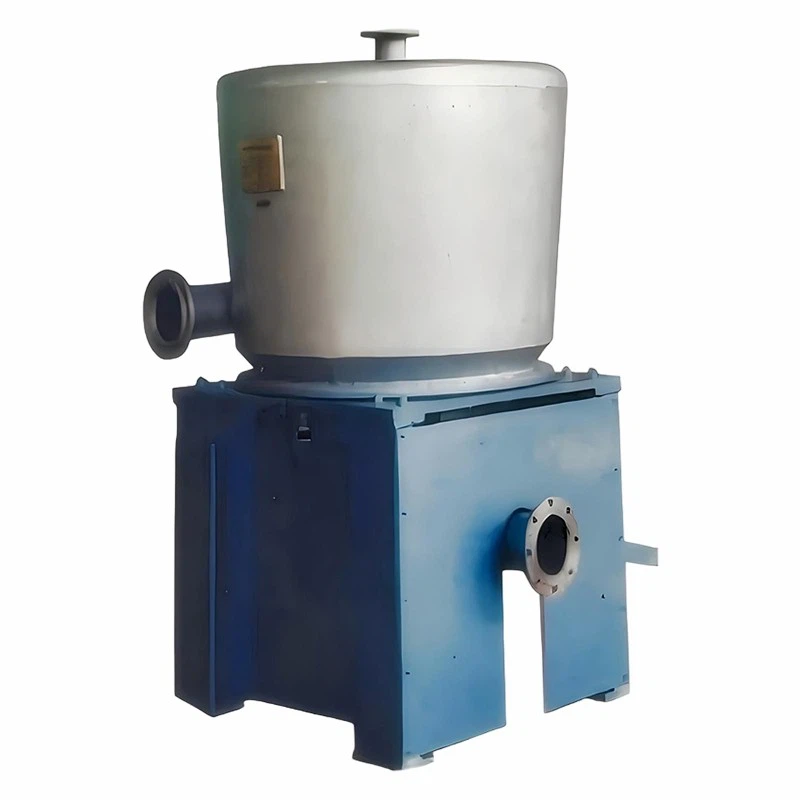
One notable example of a separator category is the Float Purger. Float purgers are commonly used in the pulp and paper industry, as well as in water treatment plants. Their primary function is to remove floating contaminants from liquids, such as pulp suspensions or wastewater.
How Float Purgers Work
Float purgers operate on the principle of buoyancy. The mixture containing the floating contaminants is introduced into the purger chamber. Inside the chamber, the liquid is agitated, causing the floating particles to rise to the surface. A skimming mechanism then removes the floating layer, leaving behind a cleaner liquid.
Applications in the Pulp and Paper Industry
In the pulp and paper industry, float purgers are used to remove ink, stickies, and other contaminants from recycled pulp. These contaminants can cause issues during the papermaking process, such as poor paper quality and equipment damage. By using float purgers, paper manufacturers can improve the quality of their recycled pulp and reduce production costs.
Applications in Water Treatment
Float purgers are also widely used in water treatment plants to remove oil, grease, and other floating pollutants from wastewater. These pollutants can have a negative impact on the environment if not properly removed. Float purgers help to ensure that the treated water meets the required quality standards before being discharged into the environment.
Another Example: Reject Separator
Another important separator category is the Reject Separator. Reject separators are used to separate unwanted materials, or "rejects," from a mixture. These rejects can include large particles, foreign objects, and other contaminants.
How Reject Separators Work
Reject separators typically use a combination of mechanical and screening techniques to separate the rejects from the mixture. The mixture is fed into the separator, where it passes through a series of screens or sieves. The screens are designed to allow the desired material to pass through while retaining the rejects.
Applications in the Food Industry
In the food industry, reject separators are used to remove foreign objects, such as stones, metal fragments, and plastic pieces, from food products. These foreign objects can pose a serious health risk to consumers if not removed. Reject separators help to ensure the safety and quality of food products.
Applications in the Recycling Industry
Reject separators are also used in the recycling industry to separate different types of materials, such as plastics, metals, and paper. By separating these materials, recycling facilities can improve the efficiency of their recycling processes and produce higher-quality recycled products.
Benefits of Using Separator Category Products
The use of separator category products offers several benefits to industries. These benefits include:

- Improved Product Quality: By removing contaminants and unwanted materials, separator category products help to improve the quality of the final product.
- Increased Efficiency: Separator category products can help to increase the efficiency of production processes by reducing downtime and improving the performance of equipment.
- Cost Savings: By reducing the amount of waste and improving the quality of the final product, separator category products can help to reduce production costs.
- Environmental Protection: Separator category products help to protect the environment by removing pollutants and contaminants from wastewater and other industrial effluents.
Conclusion
In conclusion, separator categories play a vital role in various industries, offering a range of benefits such as improved product quality, increased efficiency, cost savings, and environmental protection. The examples of the Float Purger and Reject Separator demonstrate the diverse applications and effectiveness of separator category products. As a supplier of separator category products, I'm committed to providing high-quality equipment and excellent customer service to meet the needs of my clients.
If you're interested in learning more about our separator category products or would like to discuss your specific separation requirements, please don't hesitate to contact us. We're here to help you find the best solution for your business.
References
- Pulp and Paper Industry Handbook
- Water Treatment Technology Manual
- Food Industry Quality Control Guidelines
- Recycling Industry Best Practices
