As a supplier of ancillary equipment, I've witnessed firsthand how these components play a pivotal role in the scalability of a system. In this blog, I'll delve into the various ways ancillary equipment supports system scalability, drawing on real - world examples and industry insights.
1. Flexibility in Capacity Expansion
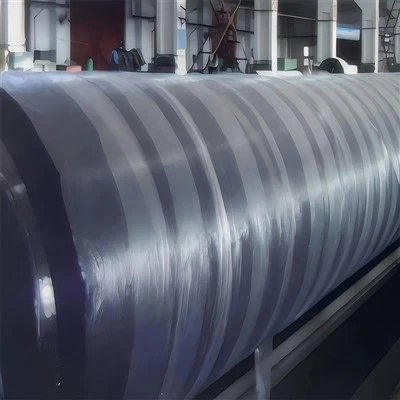
One of the most significant ways ancillary equipment supports system scalability is by providing flexibility in capacity expansion. Consider a paper manufacturing plant. The core paper - making machines are the heart of the operation, but ancillary equipment such as the Paper Machine Chain Conveyor is crucial for scaling up production.
When a paper mill decides to increase its output, the conveyor system needs to be able to handle a larger volume of paper products. Our chain conveyors are designed with modularity in mind. This means that additional sections can be easily added to the existing conveyor system. For instance, if the mill initially has a conveyor that can handle 100 tons of paper per day and wants to increase the capacity to 150 tons, we can provide extra conveyor modules that can be integrated seamlessly into the current setup.
This modular design not only allows for quick capacity expansion but also minimizes downtime. The plant doesn't have to shut down for an extended period to install a completely new conveyor system. Instead, the new modules can be installed during scheduled maintenance breaks, ensuring that production continues with minimal disruption.
2. Compatibility with Upgraded Systems
Another aspect where ancillary equipment supports system scalability is in its compatibility with upgraded systems. As technology advances, companies often need to upgrade their core systems to improve efficiency, quality, or environmental performance. Ancillary equipment must be able to work in harmony with these new systems.
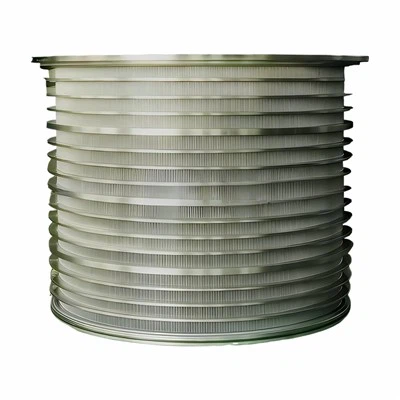
Take the Paper Machine Ragger as an example. In a paper mill, the ragging process is essential for removing impurities from the paper pulp. When the mill upgrades its pulping technology to a more advanced and high - speed system, the ragging equipment needs to keep up.
Our paper machine raggers are designed with a high degree of adaptability. They can be easily integrated with different types of pulping systems, whether it's a traditional batch - type system or a modern continuous - flow system. This means that even if a company invests in a new and improved pulping machine, our raggers can be adjusted to work optimally with the new setup. We can modify the speed, pressure, and other operating parameters of the raggers to match the requirements of the upgraded system, ensuring that the overall production process remains efficient and effective.
3. Cost - Effective Scalability
Cost is always a major consideration when it comes to system scalability. Ancillary equipment can provide a cost - effective solution for expanding a system. Instead of investing in a completely new and expensive core system, companies can often achieve significant scalability by upgrading or adding ancillary equipment.
For example, in a paper manufacturing plant, upgrading the entire paper - making machine can be extremely costly. However, by investing in high - performance ancillary equipment such as advanced Paper Machine Raggers, the plant can improve the quality and efficiency of the production process without a huge capital outlay.
Our raggers are designed to be energy - efficient, which helps reduce operating costs in the long run. They also have a long service life, which means less frequent replacement and maintenance costs. Additionally, since they can be easily integrated with existing systems, there is no need for expensive infrastructure modifications. This cost - effectiveness makes it easier for companies, especially small and medium - sized enterprises, to scale up their operations without breaking the bank.
4. Enhanced System Reliability
Scalability is not just about increasing capacity; it's also about maintaining system reliability. Ancillary equipment can contribute to the overall reliability of a system, which is crucial for successful scalability.
In a paper mill, a reliable conveyor system is essential for the smooth flow of paper products from one stage of the production process to another. Our paper machine chain conveyors are built with high - quality materials and advanced engineering techniques. They are designed to withstand heavy loads, continuous operation, and harsh industrial environments.


We use durable chains and robust frames that can resist wear and tear. Regular maintenance is made easy with accessible components and clear service instructions. This high level of reliability means that as the system scales up and the conveyor has to handle more products, there is less risk of breakdowns. A reliable conveyor system ensures that the production process doesn't come to a halt, which is essential for meeting increased production targets.
5. Customization for Specific Scalability Needs
Every company has unique scalability needs based on its business goals, market demand, and available resources. Ancillary equipment can be customized to meet these specific requirements.
We understand that different paper mills may have different plans for scaling up their operations. Some may want to increase production gradually over a few years, while others may need a rapid expansion to meet a sudden surge in market demand. For a mill that wants a gradual expansion, we can provide ancillary equipment with a more modular and step - by - step upgrade path. For example, we can offer a conveyor system that can be easily expanded in small increments over time.
On the other hand, for a mill that needs a rapid expansion, we can design and manufacture custom - built ancillary equipment with a high initial capacity. Our engineering team works closely with the customer to understand their specific needs and develop a solution that is tailored to their situation. This customization ensures that the ancillary equipment provides the right level of support for the system's scalability.
Conclusion
In conclusion, ancillary equipment plays a vital role in supporting the scalability of a system. From providing flexibility in capacity expansion and compatibility with upgraded systems to offering cost - effective solutions, enhancing system reliability, and allowing for customization, ancillary equipment is an indispensable part of any scalable system.
If you're looking to scale up your system and need reliable ancillary equipment, I encourage you to reach out to us. Our team of experts is ready to work with you to understand your specific needs and provide the best solutions for your business. Whether you're in the paper manufacturing industry or other sectors, we have the experience and expertise to support your scalability goals.
References
- Industry reports on paper manufacturing technology and equipment.
- Case studies of companies that have successfully scaled up their systems using ancillary equipment.