

As a supplier of pulping equipment, I am often asked about how our machines work. Pulping equipment plays a crucial role in the papermaking industry, transforming raw materials into pulp, which is the basic ingredient for paper production. In this blog post, I will take you through the working principles of different types of pulping equipment we offer.
The Basics of Pulping
Before delving into the specific equipment, it's essential to understand the concept of pulping. Pulping is the process of separating fibers from raw materials such as wood, recycled paper, or agricultural residues. The goal is to break down the raw materials into individual fibers while maintaining their strength and quality. This process can be achieved through mechanical, chemical, or a combination of both methods.
Mechanical Pulping Equipment
Mechanical pulping relies on physical force to break down the raw materials. One of the most common types of mechanical pulping equipment is the Hydrapulper.
Hydrapulper
A hydrapulper is a large tank filled with water and equipped with a rotor. The raw materials, usually recycled paper or waste paper, are fed into the hydrapulper. The rotor rotates at high speed, creating a strong vortex in the water. This vortex causes the paper to break apart, and the fibers are separated from the contaminants such as ink, glue, and staples.
The working principle of a hydrapulper is based on the combination of mechanical agitation and the action of water. The high - speed rotation of the rotor generates shear forces that tear the paper into small pieces. At the same time, the water helps to soften the paper and disperse the fibers. Once the pulping process is complete, the pulp is pumped out of the hydrapulper and sent for further processing, such as screening and cleaning.
Another type of mechanical pulping equipment is the Semi - dry Broken Pulper.

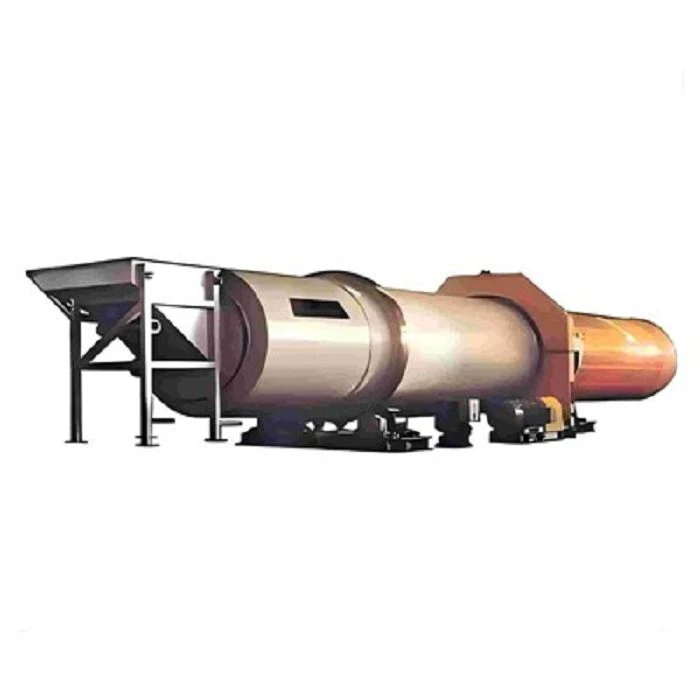
Semi - dry Broken Pulper
The semi - dry broken pulper is designed to handle materials with a relatively low moisture content. It uses a combination of mechanical and thermal energy to break down the raw materials. The raw materials are fed into the pulper, where they are subjected to high - pressure steam and mechanical agitation.
The steam helps to soften the materials, making them easier to break apart. The mechanical agitation, provided by a series of blades or hammers, further breaks the materials into smaller pieces. The semi - dry broken pulper is particularly suitable for processing agricultural residues and some types of wood chips. It can achieve a high degree of fiber separation with relatively low energy consumption.
Chemical Pulping Equipment
Chemical pulping involves the use of chemicals to break down the lignin, which binds the fibers together in the raw materials. One of the key pieces of equipment in chemical pulping is the digester.
Digester
A digester is a large, pressure - resistant vessel where the chemical pulping process takes place. The raw materials, usually wood chips, are loaded into the digester along with a cooking liquor, which typically contains chemicals such as sodium hydroxide and sodium sulfide.
The digester is then sealed and heated to a high temperature and pressure. Under these conditions, the chemicals react with the lignin in the wood chips, dissolving it and separating the fibers. The cooking process can take several hours, depending on the type of wood and the desired quality of the pulp.
After the cooking process is complete, the pulp is discharged from the digester and sent for washing to remove the residual chemicals and dissolved lignin. The washed pulp is then ready for further processing, such as bleaching and refining.
Combination Pulping Equipment
In some cases, a combination of mechanical and chemical pulping methods is used to achieve the best results. One such example is the Drump Pulper.
Drump Pulper
The drump pulper combines the advantages of both mechanical and chemical pulping. It consists of a rotating drum where the raw materials are fed. Inside the drum, there are a series of paddles or lifters that agitate the materials.
The drum is also equipped with a system for introducing chemicals and steam. The chemicals help to break down the lignin, while the steam and mechanical agitation assist in the fiber separation process. The drump pulper can handle a wide range of raw materials, including recycled paper, wood chips, and agricultural residues. It offers a more flexible and efficient way of pulping compared to single - method pulping equipment.
Post - Pulping Processing Equipment
After the pulping process, the pulp needs to go through several post - processing steps to improve its quality. These steps include screening, cleaning, bleaching, and refining.
Screening and Cleaning Equipment
Screening equipment, such as vibrating screens and pressure screens, is used to remove large contaminants and over - sized fibers from the pulp. The pulp is passed through a series of screens with different mesh sizes, allowing only the desired fibers to pass through.
Cleaning equipment, such as centrifugal cleaners, is used to remove small contaminants such as sand, dirt, and ink particles. The centrifugal force generated by the cleaners separates the contaminants from the pulp based on their density.
Bleaching Equipment
Bleaching equipment is used to whiten the pulp and improve its brightness. There are several types of bleaching processes, including chlorine - based bleaching and chlorine - free bleaching. The bleaching equipment typically consists of a series of tanks where the pulp is treated with bleaching agents under controlled conditions.
Refining Equipment
Refining equipment is used to improve the strength and bonding properties of the pulp. The pulp is passed through a refiner, which consists of a pair of rotating discs with serrated edges. The discs exert a mechanical force on the fibers, causing them to fibrillate and develop better bonding with each other.
Why Choose Our Pulping Equipment
Our company offers a wide range of pulping equipment, from mechanical to chemical and combination pulping machines. We have a team of experienced engineers and technicians who can provide customized solutions based on your specific requirements.
Our equipment is designed with the latest technology, ensuring high efficiency, low energy consumption, and reliable performance. We also offer comprehensive after - sales service, including installation, maintenance, and technical support.
If you are in the papermaking industry and looking for high - quality pulping equipment, we invite you to contact us for a detailed discussion. Our experts will be happy to answer your questions and help you find the best pulping solution for your business.
References
- "Papermaking Science and Technology" by J. Gullichsen and H. Paulapuro
- "Handbook of Pulp" edited by Christopher J. Biermann
- Industry reports on pulping and papermaking technology
