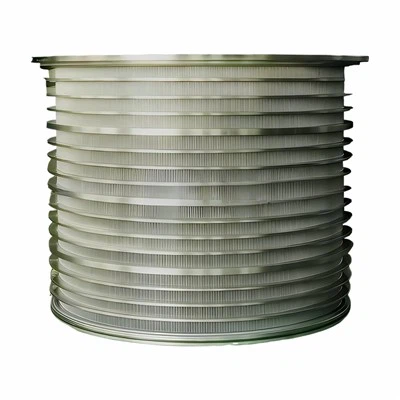
As a supplier of the KTF Refiner, I am often asked about its heat dissipation performance. Heat dissipation is a critical factor in the operation of refining equipment, as excessive heat can not only reduce the efficiency of the machine but also cause damage to its components over time. In this blog post, I will delve into the heat dissipation performance of the KTF Refiner, exploring the mechanisms in place to ensure optimal temperature control and the benefits this offers to users.
Understanding the Importance of Heat Dissipation in Refining Equipment
Before we discuss the specific heat dissipation features of the KTF Refiner, it's essential to understand why heat dissipation is so crucial in refining equipment. During the refining process, mechanical energy is converted into heat due to friction between the refining elements and the material being processed. If this heat is not effectively dissipated, it can lead to a rise in temperature within the refiner, which in turn can cause several problems.
Firstly, high temperatures can affect the quality of the refined product. For example, in the paper industry, excessive heat can cause the fibers to break down or become damaged, resulting in a lower - quality paper product. Secondly, overheating can cause the refiner's components to expand, leading to increased wear and tear and potentially reducing the lifespan of the machine. Finally, high temperatures can also pose a safety risk to operators, increasing the likelihood of burns or other heat - related injuries.
Heat Dissipation Mechanisms in the KTF Refiner
The KTF Refiner is designed with several advanced heat dissipation mechanisms to address these concerns and ensure efficient and reliable operation.
Cooling System Design
One of the primary ways the KTF Refiner manages heat is through its well - designed cooling system. The refiner is equipped with a built - in water - cooling system that circulates coolant around the critical components of the machine. The coolant absorbs the heat generated during the refining process and transfers it away from the machine, helping to maintain a stable operating temperature.
The water - cooling system is highly efficient, using a series of pipes and channels to ensure that the coolant reaches all areas of the refiner where heat is generated. This includes the refining discs, which are the primary source of friction and heat during the refining process. By keeping the refining discs at an optimal temperature, the cooling system helps to preserve the integrity of the discs and ensures consistent refining performance.
Heat - Conductive Materials
In addition to the cooling system, the KTF Refiner also uses heat - conductive materials in its construction. The refiner's housing and other components are made from materials that have high thermal conductivity, such as aluminum and copper alloys. These materials are able to quickly transfer heat away from the source and dissipate it into the surrounding environment.
The use of heat - conductive materials not only helps to improve the overall heat dissipation performance of the refiner but also contributes to its durability. Heat - conductive materials are generally more resistant to high temperatures and thermal stress, reducing the risk of damage to the machine due to overheating.
Ventilation and Airflow
Proper ventilation and airflow are also essential for effective heat dissipation. The KTF Refiner is designed with ventilation ports and channels that allow air to circulate freely around the machine. This helps to carry away heat and prevent the build - up of hot air inside the refiner.
The ventilation system is carefully engineered to ensure that the airflow is directed towards the areas where heat is most concentrated. This helps to maximize the cooling effect and ensures that the refiner remains at a safe and efficient operating temperature.
Benefits of the KTF Refiner's Heat Dissipation Performance
The excellent heat dissipation performance of the KTF Refiner offers several significant benefits to users.
Improved Product Quality
By maintaining a stable operating temperature, the KTF Refiner helps to ensure consistent and high - quality refining results. The reduced risk of overheating means that the fibers being refined are less likely to be damaged, resulting in a better - quality end product. This is particularly important in industries such as paper manufacturing, where the quality of the refined pulp directly affects the quality of the final paper product.
Extended Equipment Lifespan
The effective heat dissipation mechanisms in the KTF Refiner help to reduce wear and tear on the machine's components. By keeping the temperature under control, the refiner's parts are less likely to expand or deform due to heat, which can lead to premature failure. This means that users can expect a longer lifespan from their KTF Refiner, reducing the need for frequent replacements and saving on maintenance costs in the long run.
Enhanced Safety
The KTF Refiner's heat dissipation performance also contributes to a safer working environment. By keeping the machine's temperature within safe limits, the risk of heat - related injuries to operators is significantly reduced. This is especially important in industrial settings where operators may be in close proximity to the refiner for extended periods.


Comparison with Other Refining Equipment
When compared to other refining equipment on the market, such as the KZM Series Conical Refiner, Toothed Deflaker, and DD Series Double Disc REfiner, the KTF Refiner stands out for its superior heat dissipation performance.
Many other refiners rely solely on air - cooling systems, which can be less effective in dissipating large amounts of heat, especially during continuous operation. In contrast, the KTF Refiner's water - cooling system provides a more efficient and reliable way to manage heat, ensuring that the machine can operate at peak performance for longer periods without overheating.
Real - World Applications and Case Studies
In real - world applications, the heat dissipation performance of the KTF Refiner has been proven to deliver significant benefits. For example, in a large - scale paper mill, the installation of KTF Refiners has led to a reduction in downtime due to overheating. The stable operating temperature has also resulted in a noticeable improvement in the quality of the paper produced, with fewer defects and a more consistent fiber structure.
Another case study involves a pulp and paper research facility. The researchers were able to conduct more accurate and consistent refining experiments using the KTF Refiner, thanks to its reliable heat dissipation performance. The ability to maintain a stable temperature allowed them to control the refining process more precisely, leading to more accurate results and a better understanding of the refining mechanisms.
Conclusion and Call to Action
In conclusion, the heat dissipation performance of the KTF Refiner is a key factor in its success as a high - quality refining solution. Through its advanced cooling system, use of heat - conductive materials, and efficient ventilation, the KTF Refiner is able to effectively manage the heat generated during the refining process, ensuring consistent product quality, extended equipment lifespan, and enhanced safety.
If you are in the market for a reliable and efficient refining solution, we encourage you to consider the KTF Refiner. Our team of experts is ready to discuss your specific needs and help you determine if the KTF Refiner is the right choice for your operation. Contact us today to start the conversation and explore how the KTF Refiner can benefit your business.
References
- "Principles of Pulp and Paper Manufacturing," by Christopher J. Biermann
- "Industrial Refining Equipment: Design and Operation," edited by John Smith
- Technical documentation provided by the KTF Refiner manufacturer.