Hey there! As a supplier of Expander Rolls, I've seen firsthand how the weight of these rolls can have a huge impact on their installation. In this blog, I'm gonna break down the ins and outs of how weight plays a role in getting these rolls up and running properly.
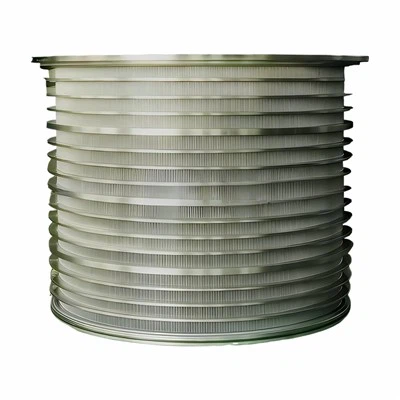
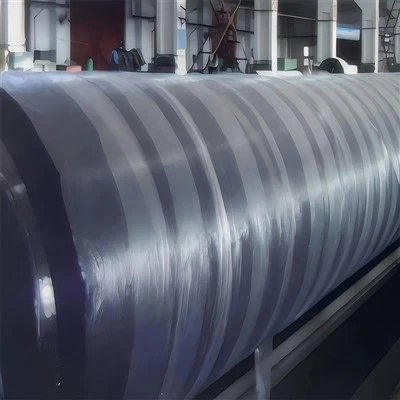
First off, let's talk about what an Expander Roll is. An Expander Roll is a key piece of equipment in many industrial processes, especially in the paper and textile industries. It's used to expand or spread out materials like paper webs or fabric, helping to ensure a smooth and even finish.
The weight of an Expander Roll can vary quite a bit depending on its size, design, and the materials it's made from. Smaller rolls might weigh just a few pounds, while larger ones can tip the scales at several hundred or even thousands of pounds. And this weight difference can make a big difference when it comes to installation.
One of the most obvious ways weight affects installation is in terms of handling. Heavier rolls are simply more difficult to move around. You can't just pick them up and carry them like you would a lighter object. Specialized equipment like cranes, forklifts, or hoists are usually needed to lift and position these heavy rolls. This means that you need to have the right equipment on - site and trained operators to use it safely.
For example, if you're installing a large Expander Roll in a paper mill, you'll need a crane to lift it into place. The crane operator has to be really careful to ensure that the roll is lifted evenly and doesn't swing around too much. Any sudden movements could damage the roll or the surrounding equipment. And if the roll isn't lifted properly, it might not be installed at the correct angle or position, which can lead to problems down the line.
Another aspect to consider is the structural support required for the installation. Heavier rolls put more stress on the mounting brackets, frames, and the overall structure where they'll be installed. Before installing a heavy Expander Roll, you need to make sure that the support structure can handle the additional weight.
Let's say you're thinking about installing a heavy roll on an existing frame. You'll need to have an engineer assess the frame's strength. If the frame isn't strong enough, you might need to reinforce it. This could involve adding extra steel beams or supports, which can be time - consuming and expensive. But it's a necessary step to prevent the frame from collapsing under the weight of the roll, which could cause serious safety hazards and production downtime.
The weight of the roll also affects the alignment process during installation. Alignment is crucial for the proper functioning of an Expander Roll. A misaligned roll can cause uneven spreading of the material, leading to quality issues in the final product. Heavier rolls are more difficult to align because of their inertia.
When you're trying to adjust the position of a heavy roll to get it perfectly aligned, it takes more force and precision. You might need to use shims or other alignment tools to make small adjustments. And because of the weight, these adjustments need to be made carefully to avoid over - correcting and causing more alignment problems.
Transportation to the installation site is another area where weight matters. Shipping heavy Expander Rolls can be a challenge. You need to use appropriate shipping containers and methods to ensure that the roll arrives at the site in one piece. Heavy rolls might require special trucks or even flatbed trailers. And during transit, the roll needs to be secured properly to prevent it from shifting or getting damaged.
Now, let's talk about some real - world examples. Take the Ф 3660X3350 Yankee Dryer. This is a large piece of equipment, and its weight is substantial. When installing it, the installation team has to plan everything carefully. They need to have a detailed layout of the installation area, making sure there's enough space for the crane to operate. The support structure for the dryer has to be designed to handle its weight, and the alignment has to be spot - on to ensure efficient drying of the paper.
Similarly, the Ф 1100X7921 VAC ROLL also presents challenges due to its weight. The installation process involves coordinating with multiple teams, from the crane operators to the technicians who will do the fine - tuning of the roll's position.
In addition to the physical aspects of installation, the weight of the Expander Roll can also impact the cost. As I mentioned earlier, heavier rolls require more specialized equipment and potentially more structural reinforcement. This all adds up in terms of labor costs, equipment rental costs, and the cost of materials for reinforcement.
But don't let the challenges of installing heavy Expander Rolls scare you off. At our company, we have a wealth of experience in dealing with rolls of all weights. We can provide you with all the necessary information and support to ensure a smooth installation process.


If you're in the market for an Expander Roll, whether it's a light one for a small - scale operation or a heavy - duty roll for a large industrial plant, we're here to help. We can work with you to understand your specific needs, recommend the right roll for your application, and assist with the installation process.
So, if you're interested in learning more about our Expander Rolls or have any questions about installation, don't hesitate to reach out. We're always happy to have a chat and discuss how we can meet your requirements.
References
- Industrial Equipment Installation Handbook
- Paper and Textile Manufacturing Process Guides