As a supplier of Toothed Deflakers, I've seen firsthand the challenges that pulp contaminants can pose to these machines. Pulp contaminants are a common headache in the papermaking process. They can come from various sources, like dirt in the raw materials, debris from the processing equipment, or even residues from previous batches. These contaminants aren't just nuisances; they can have a significant impact on the performance and lifespan of a Toothed Deflaker.
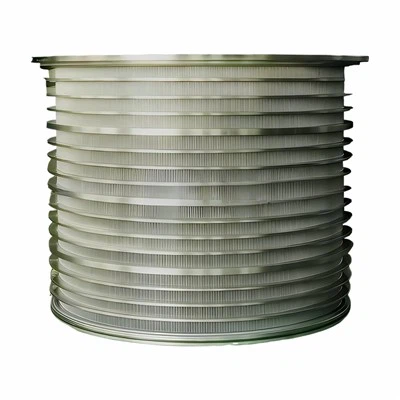
Let's start by looking at what a Toothed Deflaker is and what it does. A Toothed Deflaker is a key piece of equipment in the pulp and paper industry. Its main job is to break up pulp bundles, improve the pulp's dispersion, and enhance the overall quality of the paper product. It works by using a series of rotating toothed discs or plates to apply mechanical forces to the pulp, separating the fibers and making them more uniform.
Now, when pulp contaminants enter the mix, things can go south pretty quickly. One of the most immediate impacts is on the deflaking efficiency. Contaminants like sand, grit, or metal fragments can cause excessive wear on the toothed discs or plates. These abrasives act like sandpaper, gradually eroding the surfaces of the teeth. As the teeth wear down, they lose their ability to apply the necessary forces to break up the pulp bundles effectively. This means that the deflaking process becomes less efficient, and the quality of the output pulp may suffer.
Moreover, some contaminants can cause blockages in the Toothed Deflaker. Large or sticky contaminants, such as plastic pieces or clumps of wax, can get stuck between the teeth or in the flow passages of the machine. This restricts the flow of pulp through the deflaker, reducing its throughput. In some cases, blockages can even cause the machine to shut down completely, leading to costly downtime for maintenance and cleaning.
Another issue is the impact on the paper quality. Pulp contaminants that make it through the deflaking process can end up in the final paper product. This can result in a variety of defects, such as holes, spots, or uneven texture. These defects can make the paper unsuitable for certain applications, leading to customer complaints and potential losses for the paper manufacturer.
The long - term effects of pulp contaminants on a Toothed Deflaker are also a major concern. Excessive wear and tear from contaminants can shorten the lifespan of the machine. Components like the toothed discs, bearings, and shafts may need to be replaced more frequently, which adds to the operating costs. Additionally, the constant stress caused by contaminants can lead to more serious mechanical failures over time, such as misalignment of the discs or damage to the drive system.
So, what can be done to mitigate the impact of pulp contaminants on a Toothed Deflaker? One effective approach is to implement a comprehensive pulp cleaning system upstream of the deflaker. This can include screens, cleaners, and centrifuges to remove large and small contaminants before the pulp reaches the deflaker. Regular maintenance and inspection of the Toothed Deflaker are also crucial. This involves checking for wear on the teeth, ensuring proper alignment of the components, and cleaning the machine to prevent the buildup of contaminants.
As a supplier of Toothed Deflakers, we also offer a range of related products to help deal with pulp contaminants and improve the overall performance of the papermaking process. For example, our KTF Refiner is designed to further refine the pulp after deflaking, removing any remaining contaminants and improving the fiber quality. The KZM Series Conical Refiner is another excellent option for finer pulp processing, with its unique conical design providing more efficient refining. And our DD Series Double Disc REfiner offers high - performance refining capabilities, ensuring that the pulp is of the highest quality before it goes to the paper machine.


If you're in the paper industry and are facing issues with pulp contaminants and their impact on your Toothed Deflaker, don't hesitate to reach out. We're here to help you find the best solutions for your specific needs. Whether it's upgrading your existing equipment, implementing a better pulp cleaning system, or providing maintenance and support, we've got the expertise and products to make your papermaking process more efficient and cost - effective. Contact us to start a discussion about how we can work together to improve your operations.
References
- Pulp and Paper Engineering Handbook, various editions.
- Industry reports on papermaking equipment and processes.