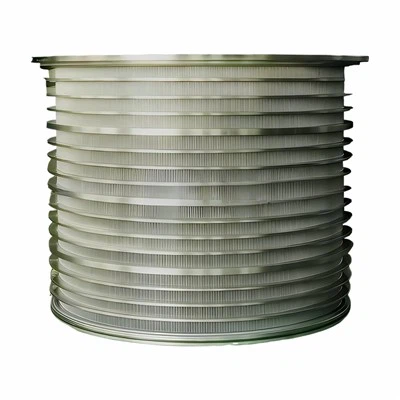
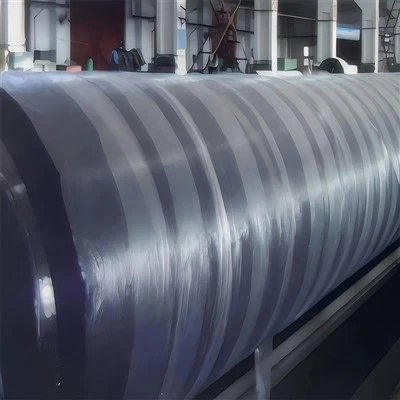
Hey there! As a supplier of Expander Rolls, I've been getting a lot of questions lately about how the width of an Expander Roll impacts its use. So, I thought I'd take a few minutes to break it down for you.
First off, let's talk about what an Expander Roll actually is. An Expander Roll is a type of roller that's used in a variety of industries, including paper, textiles, and plastics. Its main job is to expand or stretch a web of material, like paper or fabric, as it moves through a machine. This helps to eliminate wrinkles, improve tension, and ensure a more even finish.
Now, when it comes to the width of an Expander Roll, there are a few key factors to consider. The width of the roll can have a big impact on its performance, as well as its suitability for different applications.
1. Web Width Compatibility
One of the most obvious ways that the width of an Expander Roll impacts its use is in terms of web width compatibility. The width of the roll needs to be appropriate for the width of the web that it's going to be working with. If the roll is too narrow, it won't be able to effectively expand the entire width of the web, which can lead to uneven stretching and wrinkling. On the other hand, if the roll is too wide, it may not fit properly in the machine or could cause unnecessary stress on the web.
For example, if you're working with a narrow web of paper that's only a few inches wide, you'll need a relatively narrow Expander Roll. A roll that's too wide would be overkill and could potentially damage the paper. Conversely, if you're dealing with a wide web of fabric that's several feet wide, you'll need a wider roll to ensure that the entire width of the fabric is expanded evenly.
2. Tension Distribution
Another important factor to consider is tension distribution. The width of the Expander Roll can affect how the tension is distributed across the web. A wider roll will generally distribute the tension more evenly across a wider area of the web, which can help to prevent localized stress and stretching. This is especially important when working with delicate or easily damaged materials.
For instance, in the paper industry, a wider Expander Roll can help to ensure that the paper is stretched evenly, reducing the risk of breakage and improving the overall quality of the finished product. In the textile industry, even tension distribution can help to prevent wrinkles and ensure a smooth, consistent finish on fabrics.
3. Machine Design and Space Requirements
The width of the Expander Roll also needs to be compatible with the design of the machine in which it will be used. Different machines have different space constraints and requirements, and the roll needs to fit properly within these parameters. A roll that's too wide may not fit in the machine at all, or it could cause interference with other components.


For example, some machines have limited space between the rollers, so a wider Expander Roll may not be able to be installed. In addition, the width of the roll can also affect the overall size and weight of the machine, which can have implications for installation, operation, and maintenance.
4. Application-Specific Considerations
The specific application for which the Expander Roll is being used can also influence the ideal width. Different industries and processes have different requirements, and the width of the roll needs to be tailored to meet these needs.
In the paper industry, for example, the width of the Expander Roll may depend on the type of paper being produced. Heavyweight papers may require a wider roll to ensure proper expansion, while lightweight papers may be able to use a narrower roll.
In the textile industry, the width of the roll can be influenced by the type of fabric and the manufacturing process. For example, fabrics that are prone to wrinkling may require a wider roll to ensure that the wrinkles are effectively removed.
5. Cost and Efficiency
Finally, the width of the Expander Roll can also have an impact on cost and efficiency. Wider rolls generally tend to be more expensive than narrower rolls, both in terms of the initial purchase price and the cost of maintenance. However, in some cases, a wider roll may be more cost - effective in the long run, as it can improve the quality of the finished product and reduce waste.
For example, if a wider roll can help to prevent wrinkling and breakage in a paper manufacturing process, it can reduce the amount of scrap paper and increase the overall efficiency of the production line. This can lead to significant cost savings over time.
In conclusion, the width of an Expander Roll is a crucial factor that needs to be carefully considered when selecting a roll for a particular application. It impacts web width compatibility, tension distribution, machine design, application - specific requirements, and cost and efficiency. As a supplier, I'm always here to help you choose the right width of Expander Roll for your needs. If you're in the market for an Expander Roll or have any questions about how the width might impact your specific application, don't hesitate to reach out. We can work together to find the perfect solution for your business.
If you're interested in other roller equipment, you might also want to check out our ΦSizing Roll Operate Speed 1200m, Ф 3660X3350 Yankee Dryer, and Ф 750/5150 Suction Roll.
So, if you're looking to improve the performance of your production line with the right Expander Roll, let's start a conversation. We can discuss your specific needs and find the best width and type of roll for you.
References
- "Roller Technology in the Paper Industry" - Industry Report
- "Textile Manufacturing Processes and Roller Applications" - Textile Engineering Journal
- "Plastics Web Handling and Expander Roll Use" - Plastics Processing Magazine