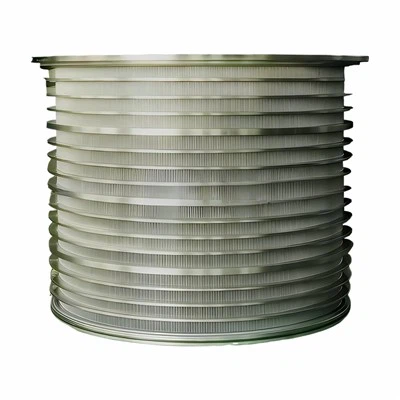
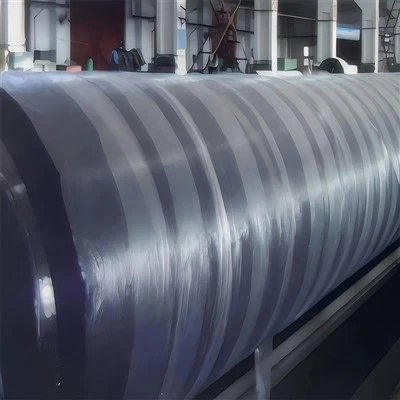
Hey there! I'm a supplier of Screw Press Thickeners, and I get this question a lot: "How do I choose the right screw press thickener for my application?" Well, you've come to the right place. In this blog, I'll walk you through the key factors you need to consider when making this important decision.
Understanding Your Needs
First things first, you gotta understand what you're trying to achieve with the screw press thickener. Are you looking to thicken pulp in a paper mill? Maybe you're dealing with wastewater treatment and need to separate solids from liquids. The application really matters because different industries have different requirements.
For instance, in the paper industry, the consistency of the pulp and the type of fibers can vary a lot. You might be working with softwood or hardwood pulp, and each has its own characteristics. The screw press thickener needs to be able to handle the specific properties of the pulp to ensure efficient thickening.
On the other hand, in wastewater treatment, the main goal is to reduce the volume of sludge and increase its dryness. The nature of the sludge, such as its organic content and particle size, will influence the choice of the thickener.
Capacity and Throughput
One of the most crucial factors is the capacity and throughput of the screw press thickener. You need to know how much material you'll be processing per hour or per day. This will determine the size and power of the thickener you need.


If you have a high-volume operation, you'll want a thickener with a large capacity. But be careful not to oversize it, as that can lead to unnecessary costs. On the flip side, if you choose a thickener that's too small, it won't be able to keep up with your production demands, and you'll end up with bottlenecks.
To calculate the required capacity, you need to consider the flow rate of the incoming material and the desired output consistency. This might involve some testing and analysis, but it's worth the effort to get it right.
Material Compatibility
The material you're processing can have a big impact on the performance and lifespan of the screw press thickener. Different materials can be abrasive, corrosive, or sticky, and the thickener needs to be able to withstand these conditions.
For example, if you're dealing with acidic or alkaline substances, you'll need a thickener made from corrosion-resistant materials. Stainless steel is a popular choice for its durability and resistance to corrosion.
If the material is abrasive, like sand or gravel, the screw and other components of the thickener need to be made from hard-wearing materials. Some thickeners come with replaceable wear parts, which can be a cost-effective solution in the long run.
Operating Conditions
The operating conditions of your facility also play a role in choosing the right screw press thickener. Factors such as temperature, pressure, and humidity can affect the performance of the thickener.
If you're operating in a high-temperature environment, you'll need a thickener that can handle the heat. Some thickeners are designed with cooling systems to prevent overheating.
Similarly, if you're working in a high-pressure environment, the thickener needs to be able to withstand the pressure without leaking or failing.
Maintenance and Serviceability
Let's face it, no piece of equipment is perfect, and there will always be a need for maintenance and repairs. That's why it's important to choose a screw press thickener that's easy to maintain and service.
Look for a thickener that has accessible components and clear instructions for maintenance. Some thickeners come with self-cleaning features, which can reduce the amount of manual cleaning required.
It's also a good idea to choose a supplier that offers reliable after-sales service. This means they can provide you with spare parts, technical support, and training when you need it.
Cost and Return on Investment
Of course, cost is always a consideration when making a purchase. But it's important to look beyond the initial purchase price and consider the long-term cost of ownership.
A cheaper thickener might seem like a good deal at first, but if it has a short lifespan or requires frequent repairs, it could end up costing you more in the long run. On the other hand, a more expensive thickener might have better performance, reliability, and energy efficiency, which can result in significant savings over time.
To calculate the return on investment (ROI), you need to consider factors such as the cost of the thickener, the savings in energy and labor, and the increase in productivity. This will help you make an informed decision and choose the thickener that offers the best value for your money.
Additional Equipment and Accessories
In some cases, you might need additional equipment or accessories to go with your screw press thickener. For example, you might need a High-speed Washer to pre-treat the material before it enters the thickener.
The high-speed washer can help remove impurities and improve the quality of the material, which can in turn improve the performance of the thickener.
Other accessories might include pumps, valves, and control systems. These can help automate the operation of the thickener and make it more efficient.
Making the Right Choice
So, how do you put all these factors together and choose the right screw press thickener for your application? Well, the first step is to do your research. Read up on different models and brands of thickeners, and compare their features and specifications.
You can also talk to other users in your industry and get their feedback on the thickeners they've used. This can give you valuable insights into the performance and reliability of different products.
Once you've narrowed down your options, it's a good idea to request a demonstration or trial of the thickener. This will allow you to see how it works in your own facility and evaluate its performance firsthand.
Finally, don't be afraid to ask questions and negotiate with the supplier. They should be able to provide you with all the information you need to make an informed decision, and they might be willing to offer you a better deal or additional services.
Conclusion
Choosing the right screw press thickener for your application is a big decision, but it doesn't have to be overwhelming. By considering factors such as your needs, capacity, material compatibility, operating conditions, maintenance, cost, and additional equipment, you can make an informed choice that will meet your requirements and provide you with a good return on investment.
If you're still not sure which thickener is right for you, or if you have any other questions, feel free to reach out to us. We're here to help you find the perfect solution for your needs.
References
- Industry standards and guidelines for screw press thickeners
- Manufacturer's specifications and brochures
- Case studies and testimonials from other users in the industry