Hey there! As a supplier of pulping equipment, I know how crucial it is to keep your machines clean. Not only does proper cleaning extend the lifespan of your pulping equipment, but it also ensures optimal performance and product quality. In this blog, I'll share some effective ways to clean different types of pulping equipment.
Why Cleaning Pulping Equipment is a Big Deal
First off, let's talk about why cleaning is so important. Pulping equipment deals with all sorts of materials, like wood chips, recycled paper, and other fibrous stuff. Over time, these materials can build up inside the equipment, leading to blockages, reduced efficiency, and even mechanical failures. A dirty machine also affects the quality of the pulp produced. So, regular cleaning is a must to keep everything running smoothly.


Cleaning Horizontal Hydrapulper
The Horizontal Hydrapulper is a popular choice in the pulping industry. It works by breaking down fibrous materials in a large tank filled with water. To clean it effectively, here are the steps:
- Shut it down properly: Before you start cleaning, make sure the hydrapulper is completely shut off and disconnected from the power source. This is a safety measure to avoid any accidents.
- Drain the tank: Open the drain valve and let all the water and pulp mixture out. You can use a pump to speed up the process if needed.
- Remove large debris: Use a long - handled tool, like a rake or a shovel, to remove any large pieces of debris that are stuck in the tank. This could be chunks of wood, plastic, or other foreign objects.
- Scrub the interior: Fill the tank with a cleaning solution. You can use a mild detergent or a specialized pulp - equipment cleaner. Use a high - pressure hose or a scrub brush to clean the walls, the bottom, and the agitator of the tank. Pay special attention to areas where pulp tends to accumulate, like the corners and around the agitator blades.
- Rinse thoroughly: Once you've scrubbed the tank, drain the cleaning solution and rinse the tank several times with clean water. Make sure all the cleaning agents are removed.
- Inspect and lubricate: After rinsing, inspect the tank for any signs of damage, like cracks or worn - out parts. If you find any issues, repair or replace the parts as needed. Also, lubricate the moving parts, such as the agitator bearings, according to the manufacturer's instructions.
Cleaning Type D Hydrapulper
The Type D Hydrapulper has a different design compared to the horizontal hydrapulper. It's often used for more intensive pulping processes. Here's how to clean it:
- Isolate the equipment: Just like with the horizontal hydrapulper, turn off the power and isolate the Type D hydrapulper from the rest of the system.
- Empty the pulper: Release the pulp from the pulper using the discharge mechanism. You may need to use a valve or a conveyor to remove the pulp completely.
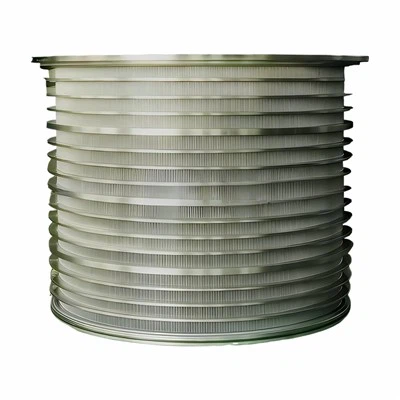
- Clean the screen: The screen in the Type D hydrapulper is crucial for separating the pulp from the debris. Remove the screen carefully and clean it using a brush or a low - pressure water jet. Make sure all the holes in the screen are clear of any blockages.
- Clean the pulper body: Use a cleaning solution and a scrubbing tool to clean the inside of the pulper body. Focus on removing any pulp residue and dirt from the walls and the bottom.
- Flush the system: After scrubbing, flush the pulper with clean water to remove the cleaning solution and any remaining debris.
- Reassemble and test: Once the cleaning is done, reassemble the parts of the pulper and test it to make sure it's working properly.
Cleaning Semi - dry Broken Pulper
The Semi - dry Broken Pulper is designed to break down fibrous materials with less water. Cleaning this type of pulper requires a slightly different approach:
- Stop the operation: Shut down the semi - dry broken pulper and cut off the power supply.
- Remove the pulper cover: This gives you access to the internal components. Be careful when removing the cover, as it can be heavy.
- Vacuum the interior: Use a powerful industrial vacuum cleaner to remove loose pulp and dust from the pulper. This helps to reduce the amount of debris before the wet cleaning process.
- Wet clean: Spray a cleaning solution on the internal parts, such as the rotor, the stator, and the housing. Use a soft brush to gently scrub the parts. Avoid using too much force, as it could damage the delicate components.
- Rinse and dry: Rinse the parts with clean water and then let them dry completely before reassembling the pulper. Moisture can cause corrosion and other problems if not removed properly.
General Tips for Cleaning Pulping Equipment
- Use the right cleaning tools: Invest in high - quality cleaning tools, such as high - pressure hoses, scrub brushes, and vacuum cleaners. The right tools make the cleaning process more efficient.
- Follow a schedule: Set up a regular cleaning schedule for your pulping equipment. This could be daily, weekly, or monthly, depending on the usage and the type of equipment.
- Train your staff: Make sure your employees are properly trained on how to clean the pulping equipment. This includes safety procedures, the use of cleaning agents, and the correct cleaning techniques.
Contact Us for More
If you're looking for high - quality pulping equipment or need more advice on cleaning and maintaining your existing equipment, we're here to help. Our team of experts has years of experience in the pulping industry and can provide you with the best solutions. Whether you're a small - scale pulp producer or a large - scale manufacturing plant, we've got the right equipment and support for you. Reach out to us for a free consultation and let's discuss how we can meet your pulping needs.
References
- Pulp and Paper Manufacturing Handbook, various authors
- Technical manuals of pulping equipment manufacturers