Hey there! As a supplier of pulping equipment, I've seen firsthand how crucial pulp uniformity is in the papermaking process. Uniform pulp can lead to better paper quality, higher production efficiency, and lower costs. So, today I'm gonna share some tips on how to improve the pulp uniformity produced by pulping equipment.
Understanding the Basics of Pulping
Before we dive into the tips, let's quickly go over what pulping is and why uniformity matters. Pulping is the process of separating fibers from raw materials like wood, recycled paper, or agricultural residues. The goal is to break down the raw materials into individual fibers and create a homogenous pulp suspension.
Pulp uniformity refers to the consistency of the pulp in terms of fiber length, fiber distribution, and chemical composition. When the pulp is uniform, it ensures that the paper produced has consistent properties such as strength, brightness, and smoothness. On the other hand, non - uniform pulp can lead to defects in the paper, like uneven thickness, holes, or poor printability.
Selecting the Right Pulping Equipment
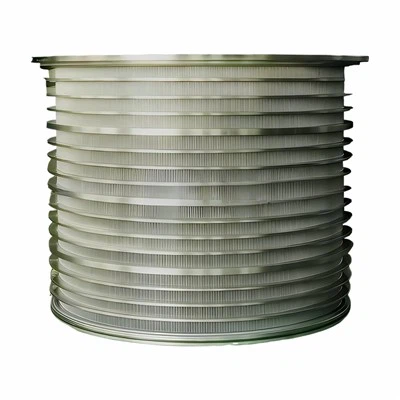
The first step in improving pulp uniformity is choosing the right pulping equipment. At our company, we offer a range of high - quality pulping machines, each designed for specific applications.
- Hydrapulper: A Hydrapulper is one of the most common types of pulping equipment. It uses a combination of mechanical and hydraulic forces to break down the raw materials into pulp. Hydrapulpers are great for processing a variety of materials, including recycled paper and wood chips. They can be adjusted to control the pulping intensity, which helps in achieving a more uniform pulp.
- Wet Broke Pulper: If you're dealing with wet broke (rejected paper that is still wet), a Wet Broke Pulper is the way to go. These pulpers are designed to quickly and efficiently repulp wet broke, ensuring that the fibers are evenly dispersed and the pulp is uniform.
- H.C. Hydrapulper: For high - consistency pulping, our H.C. Hydrapulper is a top choice. High - consistency pulping can lead to better fiber fibrillation and a more uniform pulp structure. The H.C. Hydrapulper can handle high - consistency materials, reducing the energy consumption and improving the overall pulp quality.
Optimizing Operating Conditions
Once you've selected the right equipment, it's important to optimize the operating conditions to improve pulp uniformity.
Consistency Control
Maintaining the right pulp consistency is crucial. If the consistency is too high, the fibers may not be able to move freely, leading to uneven pulping. On the other hand, if the consistency is too low, the pulping efficiency may decrease. You need to find the sweet spot for your specific raw materials and equipment. Most modern pulping equipment comes with sensors and control systems that can help you monitor and adjust the consistency in real - time.
Temperature and Pressure
Temperature and pressure also play a significant role in pulping. Higher temperatures can speed up the pulping process, but they can also cause fiber degradation if not controlled properly. Similarly, the right pressure can help in breaking down the raw materials more effectively. You should follow the manufacturer's recommendations for temperature and pressure settings based on the type of raw materials and equipment you're using.
Mixing and Agitation
Proper mixing and agitation are essential for achieving uniform pulp. The pulping equipment should have a well - designed mixing mechanism to ensure that all the fibers are evenly distributed. You can also adjust the speed and direction of the agitator to improve the mixing efficiency. Some advanced pulping machines come with variable - speed agitators that can be adjusted according to the pulping stage.
Raw Material Preparation
The quality and preparation of the raw materials can have a big impact on pulp uniformity.
Sorting and Cleaning
Before pulping, the raw materials should be sorted and cleaned to remove any contaminants such as plastics, metals, or dirt. Contaminants can not only affect the pulp quality but also damage the pulping equipment. You can use various sorting and cleaning methods, such as screening, washing, and magnetic separation, to ensure that the raw materials are clean and suitable for pulping.
Size Reduction
If the raw materials are too large, they may not be broken down evenly during pulping. Therefore, it's a good idea to reduce the size of the raw materials before feeding them into the pulping equipment. For example, wood chips should be of a consistent size to ensure uniform pulping. You can use crushers or grinders to achieve the desired size reduction.
Quality Control and Monitoring
Regular quality control and monitoring are essential to ensure that the pulp uniformity is maintained.


Sampling and Testing
You should take regular samples of the pulp and test them for various properties such as fiber length, freeness, and consistency. There are many testing methods available, including microscopic analysis, handsheet testing, and chemical analysis. By analyzing the test results, you can identify any issues with the pulp uniformity and take corrective actions.
Process Automation
Implementing process automation can also help in improving pulp uniformity. Automation systems can monitor and control various parameters such as consistency, temperature, and agitation speed in real - time. This ensures that the pulping process is consistent and that the pulp quality is maintained at a high level.
Training and Maintenance
Finally, proper training for the operators and regular maintenance of the pulping equipment are crucial for improving pulp uniformity.
Operator Training
Well - trained operators are more likely to operate the pulping equipment correctly and make the necessary adjustments to achieve uniform pulp. You should provide comprehensive training to your operators on how to use the equipment, control the operating conditions, and perform basic maintenance tasks.
Equipment Maintenance
Regular maintenance of the pulping equipment is essential to keep it in good working condition. This includes cleaning, lubrication, and replacement of worn - out parts. A well - maintained machine is more likely to produce uniform pulp and have a longer lifespan.
Conclusion
Improving the pulp uniformity produced by pulping equipment is a multi - faceted process that involves selecting the right equipment, optimizing operating conditions, preparing the raw materials properly, and implementing quality control measures. By following these tips, you can achieve a more uniform pulp, which will ultimately lead to better paper quality and higher production efficiency.
If you're interested in learning more about our pulping equipment or have any questions about improving pulp uniformity, don't hesitate to reach out. We're here to help you find the best solutions for your pulping needs. Let's start a conversation and see how we can work together to take your papermaking process to the next level.
References
- "Papermaking Science and Technology: Pulping", TAPPI Press
- "Handbook of Pulp", Wiley - VCH