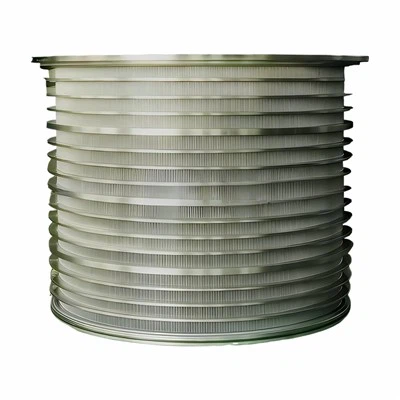
Hey there! I'm a supplier of the KTF Refiner, and I'm stoked to share with you all the ins and outs of operating this awesome piece of equipment correctly. Whether you're a newbie in the refining game or a seasoned pro looking to brush up on your skills, this guide is for you.
Pre - operation Checks
Before you even think about firing up the KTF Refiner, there are a few crucial pre - operation checks you need to do. First off, take a good look at the refiner's exterior. Check for any signs of physical damage, like dents, cracks, or loose parts. A damaged refiner can not only affect the quality of your refining but also pose a safety risk.
Next, you gotta check the lubrication system. The KTF Refiner has a complex network of moving parts, and proper lubrication is key to keeping everything running smoothly. Make sure the lubricant levels are within the recommended range. If they're low, top them up with the appropriate lubricant as specified in the user manual.
Also, don't forget to inspect the electrical connections. Loose or frayed wires can lead to electrical malfunctions, which can be dangerous. Ensure all the plugs are securely in place and there are no visible signs of damage to the wiring.
Starting Up the KTF Refiner
Once you've completed the pre - operation checks, it's time to start up the refiner. First, turn on the power switch. You'll hear the machine start to hum as it comes to life. Give it a few minutes to warm up. This is important because it allows the internal components to reach their optimal operating temperature.
After the warm - up period, you can start feeding the material into the refiner. But be careful not to overload it. The KTF Refiner has a recommended maximum feed rate, and exceeding this can cause the machine to jam or break down. Start with a small amount of material and gradually increase the feed rate as you get a feel for how the machine is handling it.
Adjusting the Refining Parameters
One of the great things about the KTF Refiner is its ability to be adjusted to suit different refining needs. You can adjust the refining gap, which is the distance between the refining discs. A smaller gap will result in a finer refinement, while a larger gap is better for coarser materials.
To adjust the refining gap, use the control panel on the refiner. There are usually buttons or a dial that you can use to make the adjustments. Make small changes at a time and test the output to see if it meets your requirements.
You can also adjust the speed of the refiner. Higher speeds are generally better for more delicate materials, as they can provide a more precise refinement. Lower speeds are suitable for tougher materials that require more force to break down.
Monitoring the Refining Process
While the KTF Refiner is running, it's important to keep an eye on it. Watch the material output to make sure it's being refined correctly. If you notice any irregularities, like chunks of unrefined material or overly fine particles when you're aiming for a coarser refinement, you may need to adjust the parameters.
Listen to the sound of the machine. A normal - running refiner should have a smooth, consistent hum. If you hear any strange noises, like grinding or rattling, it could be a sign of a problem. Stop the machine immediately and check for any issues.


Keep an eye on the temperature of the refiner. Overheating can cause damage to the internal components. Most KTF Refiners are equipped with a temperature gauge, so you can monitor this easily. If the temperature starts to rise above the normal range, reduce the feed rate or stop the machine to let it cool down.
Shutting Down the KTF Refiner
When you're done with the refining process, it's time to shut down the machine. First, stop feeding the material into the refiner. Let the machine run for a few more minutes to process any remaining material in the system.
Then, turn off the power switch. After the machine has completely stopped, you can clean it. Remove any leftover material from the refining chamber and wipe down the exterior of the machine. This will help prevent corrosion and keep the refiner in good working condition for the next use.
Maintenance Tips
Regular maintenance is essential for the longevity of your KTF Refiner. Make sure to clean the machine after each use, as mentioned above. Also, replace the lubricant at the recommended intervals. Old lubricant can lose its effectiveness and cause wear and tear on the internal components.
Check the refining discs regularly for wear and tear. Over time, the discs can become dull, which will affect the quality of the refinement. If you notice that the discs are worn out, replace them as soon as possible.
Related Equipment
If you're in the market for other refining equipment, we also offer some great options. Check out our KZM Series Conical Refiner, which is perfect for certain types of materials. Our Toothed Deflaker is another great addition to your refining setup, especially if you need to break up clumps. And don't forget about our DD Series Double Disc REfiner, which offers high - performance refining for a variety of applications.
Conclusion
Operating the KTF Refiner correctly is not rocket science, but it does require some attention to detail. By following these steps, you can ensure that your refiner runs smoothly, produces high - quality results, and lasts for a long time. If you have any questions or are interested in purchasing a KTF Refiner or any of our other refining equipment, don't hesitate to reach out for a purchase negotiation.
References
- KTF Refiner User Manual
- Industry best practices for refining equipment operation