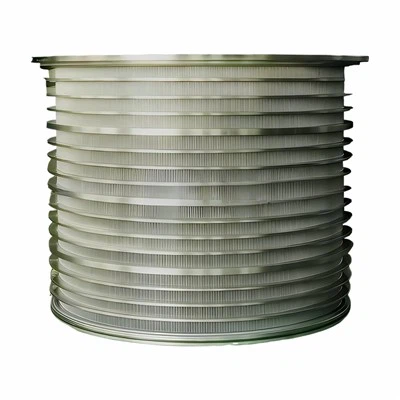
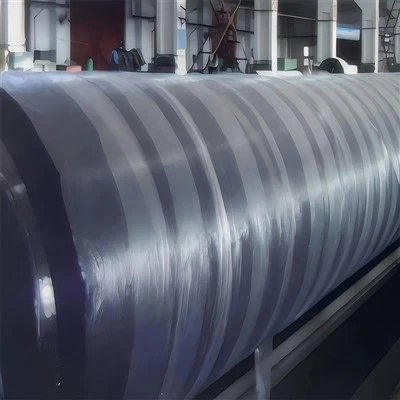
Hey there! As a supplier of Expander Rolls, I've seen firsthand how crucial these rolls are in various industrial applications. Whether it's in the paper, textile, or plastics industries, expander rolls play a vital role in ensuring smooth operation and high - quality output. In this blog, I'm gonna share some tips on how to optimize the performance of an Expander Roll.
1. Proper Installation
The first step in optimizing the performance of an expander roll is getting the installation right. You gotta make sure the roll is installed in a way that it's perfectly aligned. Misalignment can cause uneven tension across the material being processed, leading to wrinkles, folds, or even tears.
When installing the expander roll, check the mounting brackets. They should be sturdy and firmly attached to the machine frame. Loose brackets can cause the roll to vibrate during operation, which not only affects the performance but also shortens the lifespan of the roll.
Also, pay attention to the bearings. Make sure they are properly lubricated. Dry or poorly lubricated bearings can increase friction, leading to overheating and premature wear. You can refer to the manufacturer's guidelines for the right type and amount of lubricant to use.
2. Regular Maintenance
Maintenance is key to keeping your expander roll in top - notch condition. Regular cleaning is essential. Over time, dirt, debris, and residues from the processed materials can accumulate on the roll surface. This not only affects the expansion performance but can also transfer dirt to the material being processed.
Use a soft, non - abrasive cloth to clean the roll surface. Avoid using harsh chemicals that can damage the roll's coating or finish. If there are stubborn stains or residues, you can use a mild cleaning solution recommended by the manufacturer.
Inspect the roll for any signs of wear and tear regularly. Look for cracks, dents, or uneven wear on the roll surface. These issues can cause irregular expansion and affect the quality of the final product. If you notice any problems, it's best to address them as soon as possible. You might need to replace the roll or have it repaired by a professional.
3. Correct Tension Adjustment
Getting the right tension on the expander roll is super important. Too much tension can cause the material to stretch or break, while too little tension can result in wrinkles or uneven expansion.
Most expander rolls come with adjustable tension settings. You need to adjust the tension based on the type of material you're processing. For example, thinner and more delicate materials usually require lower tension, while thicker and sturdier materials can handle higher tension.
Start by setting the tension at a low level and gradually increase it while observing the material's behavior. You want to achieve a smooth, wrinkle - free expansion. It might take a few tries to get the perfect tension, but once you do, you'll notice a significant improvement in the performance.
4. Compatibility with the Process
Make sure the expander roll you're using is compatible with your specific process. Different industries and applications have different requirements. For instance, in the paper industry, expander rolls need to handle high - speed processing and different paper grades.
Consider the width, diameter, and expansion range of the roll. The width of the roll should match the width of the material being processed. A roll that's too narrow or too wide can cause problems. The diameter of the roll can affect the amount of expansion and the tension distribution.
Also, think about the expansion range. Some processes require a wider expansion range than others. You can check out our Ф 1100X7921 VAC ROLL which is designed for specific industrial applications with unique requirements.
5. Operator Training
Well - trained operators are essential for optimizing the performance of an expander roll. Operators should know how to install, adjust, and maintain the roll properly. They should also be able to troubleshoot common problems.
Provide comprehensive training to your operators. Teach them about the different components of the expander roll, how to read the tension settings, and how to perform basic maintenance tasks. Encourage them to report any issues they notice during operation immediately.
6. Upgrade and Replacement
As technology advances, new and improved expander rolls become available. Sometimes, upgrading your existing roll can significantly improve performance. Newer rolls might have better materials, more precise expansion mechanisms, or advanced features.
If your expander roll is old and has been showing signs of excessive wear, it might be time for a replacement. Using a worn - out roll can lead to more frequent breakdowns and lower - quality products. Check out our Ф 1500/5050 Press Roll and ΦSizing Roll Operate Speed 1200m for high - performance options.


7. Environmental Considerations
The environment in which the expander roll operates can also affect its performance. Extreme temperatures, high humidity, or dusty conditions can all have a negative impact.
If the operating environment is too hot, the roll can overheat, which can damage the bearings and other components. In cold environments, the roll might become more brittle and prone to cracking. Try to maintain a stable temperature and humidity level in the operating area.
Dusty environments can cause dirt and debris to accumulate on the roll more quickly. Install proper dust - collection systems to keep the area clean.
Contact for Purchase and Discussion
If you're looking to optimize the performance of your expander roll or are in the market for a new one, we're here to help. We offer a wide range of high - quality expander rolls suitable for various industries. Whether you need advice on installation, maintenance, or choosing the right roll for your process, feel free to reach out. We can have a detailed discussion to find the best solution for your specific needs.
References
- Industrial Roller Handbook
- Textile Processing Machinery Guidelines
- Paper Manufacturing Equipment Manual