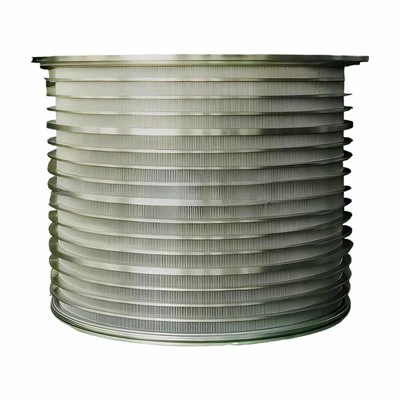
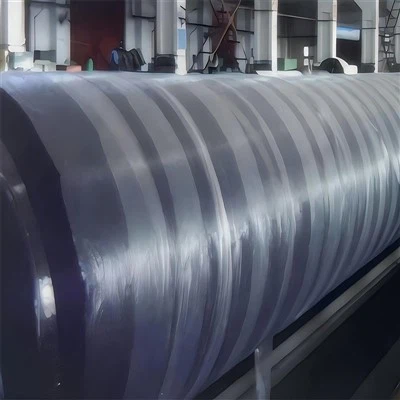
Hey there! As a supplier of roller equipment, I've seen firsthand how crucial it is to have top - notch roller performance. In this blog, I'm gonna share some tips on how to optimize the structure of roller equipment for better performance.
Understanding the Basics of Roller Equipment
Before we dive into optimization, let's quickly go over what makes up roller equipment. Rollers are used in a wide range of industries, from paper manufacturing to material handling. They come in different shapes, sizes, and materials, each designed for specific tasks. For example, we have the Ф 1100X7921 VAC ROLL Ф 1100X7921 VAC ROLL, which is commonly used in high - speed paper production lines. This roller needs to be able to withstand high pressures and speeds while maintaining a smooth surface for efficient paper transfer.
Then there's the Ф 750/5150 Suction Roll Ф 750/5150 Suction Roll. As the name suggests, it uses suction to hold materials in place during processing. This type of roller is often found in printing and packaging industries, where precise material handling is essential.
And the Ф 1500/5050 Press Roll Ф 1500/5050 Press Roll is used to apply pressure to materials, like in the pressing stage of paper or textile manufacturing.
Material Selection
One of the first steps in optimizing roller equipment is choosing the right materials. The material of the roller affects its durability, friction coefficient, and resistance to wear and tear.
For high - temperature applications, ceramic or heat - resistant polymers might be a good choice. These materials can handle the heat without deforming or losing their properties. In industries where corrosion is a concern, stainless steel or coated rollers are often used. The coating can provide an extra layer of protection against chemicals and moisture.
When it comes to friction, rubber - covered rollers are great for applications where you need to grip materials firmly. The type of rubber and its hardness can be adjusted depending on the specific requirements. For example, a softer rubber might be used for delicate materials to prevent damage, while a harder rubber can be used for heavy - duty applications.
Design Considerations
The design of the roller also plays a huge role in its performance. Here are some key design factors to consider:
Roller Diameter and Length
The diameter and length of the roller need to be carefully chosen based on the application. A larger diameter roller can handle more weight and is often used in heavy - duty applications. On the other hand, a smaller diameter roller might be more suitable for applications where space is limited or where you need a higher rotational speed.
The length of the roller should match the width of the material being processed. If the roller is too short, it won't be able to support the material evenly, which can lead to uneven processing and potential damage to the material.
Surface Finish
The surface finish of the roller can have a significant impact on its performance. A smooth surface is ideal for applications where you need to minimize friction, such as in high - speed conveyors. On the other hand, a textured surface can be used to increase friction, like in traction rollers.
The surface finish can also affect the cleanliness of the roller. A smooth surface is easier to clean, which is important in industries where contamination is a concern, such as food processing or electronics manufacturing.
Internal Structure
The internal structure of the roller can be designed to improve its strength and performance. For example, hollow rollers are lighter and can reduce the overall weight of the equipment, which is beneficial for energy efficiency. However, they need to be designed carefully to ensure they can still withstand the required loads.
Some rollers have internal cooling or heating channels. These channels can be used to control the temperature of the roller, which is important in applications where temperature affects the material being processed, such as in plastic extrusion.
Maintenance and Monitoring
Optimizing the structure of roller equipment isn't just about the initial design and material selection. Regular maintenance and monitoring are also essential for long - term performance.
Lubrication
Proper lubrication is crucial for reducing friction and wear in roller bearings. Different types of rollers may require different lubricants, so it's important to follow the manufacturer's recommendations. Over - lubrication can also be a problem, as it can attract dirt and debris, which can damage the bearings.
Alignment
Rollers need to be properly aligned to ensure even wear and efficient operation. Misaligned rollers can cause uneven pressure on the material being processed, which can lead to quality issues. Regularly checking and adjusting the alignment of the rollers can prevent these problems.
Monitoring
Using sensors to monitor the performance of the rollers can help detect potential problems early. For example, sensors can measure temperature, vibration, and load. An increase in temperature or vibration could indicate a problem with the bearings or the roller itself. By detecting these issues early, you can take corrective action before it leads to a breakdown.
Cost - Benefit Analysis
When optimizing the structure of roller equipment, it's important to consider the cost - benefit ratio. Some improvements may require a significant investment, but they can also lead to long - term savings in terms of reduced maintenance, increased productivity, and improved product quality.
For example, investing in high - quality materials may cost more upfront, but these materials can last longer and require less frequent replacement. Similarly, adding sensors for monitoring may increase the initial cost of the equipment, but it can prevent costly breakdowns and downtime.


Conclusion
Optimizing the structure of roller equipment is a multi - faceted process that involves material selection, design considerations, maintenance, and cost - benefit analysis. By paying attention to these aspects, you can ensure that your roller equipment performs at its best, leading to increased productivity and better product quality.
If you're interested in learning more about our roller equipment or have any questions about optimizing your existing rollers, don't hesitate to reach out. We're here to help you find the best solutions for your specific needs. Let's start a conversation about how we can improve your roller performance together!
References
- "Roller Design and Application Handbook"
- Industry research reports on roller equipment performance optimization.