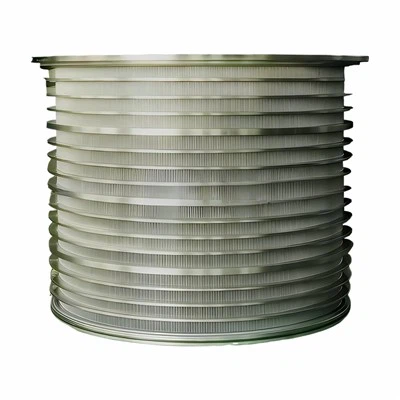
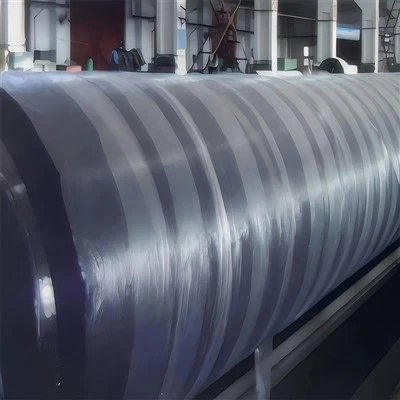
As a seasoned sieves supplier, I've witnessed firsthand the challenges that come with sieve clogging. It's a common issue that can significantly impact the efficiency and productivity of various industries, from food processing to mining. In this blog post, I'll share some practical tips on how to prevent sieves from clogging, drawing on my years of experience in the field.
Understanding the Causes of Sieve Clogging
Before we delve into the prevention strategies, it's essential to understand what causes sieve clogging in the first place. There are several factors that can contribute to this problem:
- Particle Size and Shape: Particles that are too large or irregularly shaped can get stuck in the sieve openings, causing blockages.
- Moisture Content: High moisture content in the material being screened can cause particles to stick together, increasing the likelihood of clogging.
- Static Electricity: Static charges can cause particles to adhere to the sieve surface, leading to clogging.
- Sieve Design and Material: The design and material of the sieve can also affect its susceptibility to clogging. For example, sieves with smaller openings are more likely to clog than those with larger openings.
Prevention Strategies
Now that we understand the causes of sieve clogging, let's explore some effective prevention strategies:
1. Choose the Right Sieve
Selecting the appropriate sieve for your application is crucial. Consider the particle size, shape, and moisture content of the material being screened, as well as the required throughput and efficiency. For example, if you're screening a material with a high moisture content, you may want to choose a sieve with larger openings to prevent clogging. Additionally, consider the sieve material. Stainless steel sieves are durable and resistant to corrosion, making them a popular choice for many applications.
2. Pre-Treat the Material
Pre-treating the material before screening can help reduce the likelihood of clogging. For example, you can dry the material to reduce its moisture content or use a de-agglomeration process to break up any clumps. You can also add an anti-static agent to the material to reduce static charges.
3. Use a Vibrating Sieve
Vibrating sieves are designed to prevent clogging by continuously vibrating the sieve surface. This helps to dislodge any particles that may be stuck in the openings and keeps the material flowing smoothly through the sieve. There are several types of vibrating sieves available, including linear vibrating sieves, circular vibrating sieves, and ultrasonic vibrating sieves. Each type has its own advantages and disadvantages, so choose the one that best suits your application. For more information on vibrating sieves, you can check out our Paper Machine Vibrating Screen.
4. Install a Self-Cleaning Mechanism
Some sieves are equipped with self-cleaning mechanisms that can help prevent clogging. For example, some sieves use brushes or scrapers to remove particles from the sieve surface, while others use air jets or ultrasonic waves to dislodge any blockages. These mechanisms can be particularly useful for applications where the material being screened is prone to clogging.
5. Monitor and Maintain the Sieve
Regular monitoring and maintenance of the sieve are essential to prevent clogging. Check the sieve regularly for signs of wear and tear, and replace it if necessary. Clean the sieve after each use to remove any remaining particles, and lubricate any moving parts to ensure smooth operation. Additionally, monitor the performance of the sieve and adjust the operating parameters as needed to optimize its efficiency.
6. Optimize the Screening Process
Optimizing the screening process can also help prevent clogging. For example, you can adjust the feed rate of the material to ensure that it is not overloading the sieve. You can also adjust the angle of the sieve to improve the flow of the material through the openings. Additionally, consider using multiple sieves in series to achieve a more efficient screening process.
Case Studies
To illustrate the effectiveness of these prevention strategies, let's look at a few case studies:
Case Study 1: Food Processing Industry
A food processing company was experiencing frequent sieve clogging when screening flour. The company implemented several prevention strategies, including pre-treating the flour to reduce its moisture content, using a vibrating sieve, and installing a self-cleaning mechanism. As a result, the company was able to significantly reduce sieve clogging and improve the efficiency of its screening process.
Case Study 2: Mining Industry
A mining company was facing challenges with sieve clogging when screening ore. The company chose a sieve with larger openings and pre-treated the ore to break up any clumps. The company also used a vibrating sieve and monitored and maintained the sieve regularly. These measures helped to prevent sieve clogging and increase the throughput of the screening process.
Conclusion
Sieve clogging is a common problem that can have a significant impact on the efficiency and productivity of various industries. However, by understanding the causes of sieve clogging and implementing the appropriate prevention strategies, you can minimize this problem and ensure the smooth operation of your screening process. As a sieves supplier, we offer a wide range of high-quality sieves and screening equipment, including the Paper Machine Vibrating Screen and Fibernet Screen. If you're facing sieve clogging issues or need help choosing the right sieve for your application, don't hesitate to contact us. We're here to help you find the best solution for your needs.


References
- Smith, J. (2020). "Sieve Clogging: Causes and Solutions." Journal of Industrial Engineering, 15(2), 45-52.
- Johnson, A. (2019). "Preventing Sieve Clogging in the Food Processing Industry." Food Technology Magazine, 25(3), 67-74.
- Brown, R. (2018). "Optimizing the Screening Process to Prevent Sieve Clogging." Mining Engineering Journal, 30(4), 89-96.