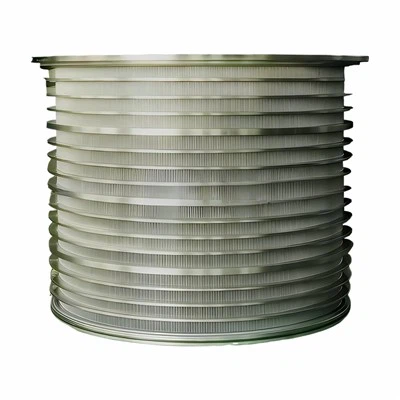
In the intricate world of papermaking, the paper machine kneader stands as a cornerstone in the process of transforming raw materials into high - quality paper products. As a seasoned supplier of Paper Machine Kneader, I've witnessed firsthand the significance of adjusting kneading parameters according to different paper grades. This blog post is dedicated to sharing insights on how to fine - tune these parameters to meet the diverse requirements of various paper grades.


Understanding the Basics of Paper Grades
Before delving into the parameter adjustment, it's essential to have a clear understanding of different paper grades. Paper grades can be broadly classified based on their end - use, such as printing and writing papers, packaging papers, and specialty papers. Each grade has distinct characteristics in terms of strength, smoothness, porosity, and optical properties.
Printing and writing papers, for example, require high smoothness and good ink absorption. They are often made from high - quality pulp with a relatively low freeness, which means the fibers are more refined. Packaging papers, on the other hand, need to have high strength and tear resistance. They can be produced from a wider range of pulp sources, including recycled fibers, and may have a coarser fiber structure. Specialty papers, like filter papers or photographic papers, have very specific requirements tailored to their unique applications.
Key Kneading Parameters and Their Impact
The paper machine kneader operates by applying mechanical forces to the pulp suspension, which modifies the fiber properties. The main kneading parameters that can be adjusted include kneading time, kneading intensity, temperature, and consistency.
Kneading Time
Kneading time plays a crucial role in fiber refinement. For high - quality printing and writing papers, a longer kneading time is often required to achieve the desired fiber fibrillation. Fibrillation is the process where the outer layers of the fibers are broken down into fine fibrils, which increases the surface area of the fibers and improves the bonding between them. This results in a smoother paper surface and better printability.
In contrast, for packaging papers, a shorter kneading time may be sufficient. Excessive kneading can over - refine the fibers, reducing their strength and making the paper less suitable for heavy - duty packaging applications.
Kneading Intensity
Kneading intensity is determined by factors such as the rotational speed of the kneading elements and the pressure applied to the pulp. Higher kneading intensity can accelerate the fiber refinement process. However, it also needs to be carefully controlled.
For specialty papers, such as those with specific porosity requirements, a precise kneading intensity is necessary. If the intensity is too high, the fibers may be damaged, leading to a loss of the desired properties. For example, in the production of filter papers, the fibers need to be refined to a certain degree to create the right pore size distribution, and the kneading intensity must be adjusted accordingly.
Temperature
Temperature affects the chemical and physical properties of the pulp. In general, a higher temperature can increase the flexibility of the fibers and enhance the efficiency of the kneading process. For some paper grades, such as those made from recycled fibers, increasing the temperature during kneading can help to remove contaminants and improve the deinking process.
However, excessive temperature can also cause the degradation of the fibers. For high - quality papers made from virgin pulp, the temperature needs to be maintained within a narrow range to preserve the integrity of the fibers and ensure the desired paper properties.
Consistency
Consistency refers to the ratio of dry pulp to the total mass of the pulp suspension. Higher consistency kneading can provide more intense mechanical action on the fibers. For packaging papers, high - consistency kneading can be beneficial as it can improve the strength of the paper by promoting better fiber - to - fiber bonding.
For printing and writing papers, the consistency needs to be carefully balanced. Too high a consistency may lead to uneven kneading, resulting in variations in paper quality. On the other hand, too low a consistency may not provide enough mechanical force for effective fiber refinement.
Adjusting Parameters for Specific Paper Grades
Printing and Writing Papers
When producing printing and writing papers, the kneading parameters should be adjusted to achieve a high degree of fiber fibrillation. A kneading time of 15 - 30 minutes is typically recommended, depending on the initial pulp quality. The kneading intensity should be set at a moderate level to avoid over - refining the fibers.
The temperature during kneading should be maintained between 40 - 50°C to enhance the fiber flexibility without causing degradation. The consistency of the pulp suspension should be around 10 - 15% to ensure uniform kneading. By carefully adjusting these parameters, the paper will have a smooth surface, good ink absorption, and high opacity, which are essential for high - quality printing and writing applications.
Packaging Papers
For packaging papers, the focus is on strength and tear resistance. A shorter kneading time of 5 - 15 minutes is usually sufficient. The kneading intensity can be relatively high to improve the fiber - to - fiber bonding.
The temperature can be slightly higher, around 50 - 60°C, especially when using recycled fibers to aid in the deinking process. A high - consistency kneading of 15 - 25% can be employed to enhance the mechanical strength of the paper. These parameter adjustments will result in a paper that can withstand the rigors of handling and transportation.
Specialty Papers
Specialty papers require the most precise parameter adjustments. For example, in the production of photographic papers, the kneading time may need to be very short to preserve the delicate structure of the fibers. The kneading intensity should be carefully calibrated to achieve the right degree of fiber alignment, which is crucial for the smoothness and clarity of the paper surface.
The temperature and consistency also need to be tailored to the specific requirements of the paper. For filter papers, the kneading parameters are adjusted to create the appropriate pore size and distribution, which involves a combination of controlled kneading time, intensity, temperature, and consistency.
The Role of Disc Heat - Disperser in Conjunction with Kneading
In some papermaking processes, a Disc Heat - Disperser can be used in conjunction with the paper machine kneader. The disc heat - disperser can further refine the pulp by breaking down agglomerates and improving the dispersion of fillers and additives.
When adjusting the kneading parameters, it's important to consider the interaction between the kneader and the disc heat - disperser. For example, if the kneading process has already achieved a high degree of fiber refinement, the operation of the disc heat - disperser may need to be adjusted accordingly to avoid over - processing the pulp.
Conclusion
Adjusting the kneading parameters according to different paper grades is a complex but essential task in papermaking. As a supplier of Paper Machine Kneader, we understand the challenges faced by papermakers in achieving the optimal paper quality. By carefully considering the characteristics of each paper grade and fine - tuning the kneading time, intensity, temperature, and consistency, papermakers can produce high - quality papers that meet the diverse needs of the market.
If you are in the papermaking industry and looking for reliable paper machine kneaders or need expert advice on adjusting kneading parameters, we are here to help. Our team of experienced engineers can provide customized solutions based on your specific requirements. Contact us to start a procurement discussion and take your papermaking process to the next level.
References
- "Papermaking Science and Technology", by G.A. Smook.
- "Handbook of Pulp and Paper Technology", edited by R. G. Macdonald.