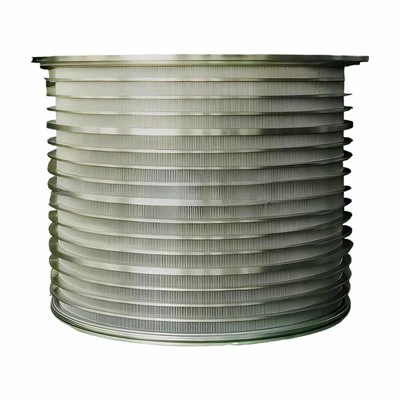
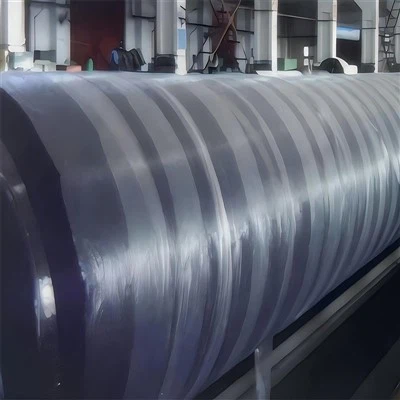
Hey there! As a supplier of Expander Rolls, I've seen firsthand how important it is to protect these valuable pieces of equipment from corrosion. Corrosion can not only damage the surface of the roll but also affect its performance and lifespan. In this blog, I'll share some effective anti - corrosion measures that you should take for an Expander Roll.
Understanding the Corrosion Risks
Before diving into the anti - corrosion measures, it's essential to understand what causes corrosion in Expander Rolls. These rolls are often exposed to harsh environments, such as high humidity, chemical solutions, and abrasive materials. Over time, these elements can react with the roll's surface material, causing rust and deterioration.
For instance, in a paper manufacturing plant, the Expander Roll might come into contact with various chemicals used in the papermaking process. If not properly protected, the acidic or alkaline nature of these chemicals can eat away at the roll's surface. Similarly, in a textile factory, the presence of moisture and dyes can also lead to corrosion issues.
Surface Coatings
One of the most common and effective anti - corrosion measures is applying a protective surface coating to the Expander Roll. There are several types of coatings available, each with its own advantages.
Epoxy Coatings
Epoxy coatings are popular because they offer excellent adhesion and chemical resistance. They form a tough, protective layer on the roll's surface that can withstand a variety of chemicals and environmental conditions. Epoxy coatings can also be customized to have different levels of thickness and hardness, depending on the specific requirements of the application.
Ceramic Coatings
Ceramic coatings are another great option. They are highly resistant to abrasion and corrosion. The ceramic particles in the coating create a hard and smooth surface that can prevent the formation of rust and other corrosion products. Ceramic - coated Expander Rolls are often used in applications where there is a high risk of wear and tear, such as in the metal processing industry.
Rubber Coatings
Rubber coatings can provide both anti - corrosion and shock - absorbing properties. They are flexible and can conform to the shape of the roll, creating a tight seal that protects the surface from moisture and chemicals. Rubber - coated Expander Rolls are commonly used in the paper and textile industries, where they come into contact with wet materials.
Proper Storage
Storing the Expander Roll correctly is also crucial for preventing corrosion. When the roll is not in use, it should be stored in a dry, clean environment. Avoid storing it in areas with high humidity or where it can be exposed to rain, snow, or other forms of moisture.
If possible, the roll should be stored on a clean and dry surface. You can also use a protective cover to shield it from dust and debris. Additionally, it's a good idea to regularly inspect the stored roll for any signs of corrosion or damage.
Regular Maintenance
Regular maintenance of the Expander Roll is key to keeping it corrosion - free. This includes cleaning the roll regularly to remove any dirt, chemicals, or other contaminants that may be on its surface. You can use a mild detergent and warm water to clean the roll gently. After cleaning, make sure to dry it thoroughly to prevent the formation of moisture on the surface.
It's also important to check the roll's surface for any signs of damage or wear. If you notice any scratches, dents, or other defects, they should be repaired as soon as possible. Damaged areas are more susceptible to corrosion, so prompt repairs can help prevent further problems.
Choosing the Right Material
When selecting an Expander Roll, choosing the right material can significantly reduce the risk of corrosion. Stainless steel is a popular choice because it has excellent corrosion resistance properties. It contains chromium, which forms a passive oxide layer on the surface that protects the metal from further oxidation.
Other corrosion - resistant materials, such as aluminum alloys, can also be used for Expander Rolls. These materials are lightweight and have good corrosion resistance in certain environments. However, it's important to note that the suitability of the material depends on the specific application and the environmental conditions the roll will be exposed to.


Using Corrosion Inhibitors
Corrosion inhibitors are chemicals that can be added to the environment around the Expander Roll to prevent or slow down the corrosion process. There are different types of corrosion inhibitors available, including organic and inorganic inhibitors.
Organic inhibitors work by forming a protective film on the roll's surface. They can adsorb onto the metal surface and prevent the corrosive agents from coming into contact with it. Inorganic inhibitors, on the other hand, can react with the metal surface to form a passive layer that inhibits corrosion.
When using corrosion inhibitors, it's important to follow the manufacturer's instructions carefully. The concentration and application method of the inhibitor can affect its effectiveness.
Monitoring and Inspection
Regular monitoring and inspection of the Expander Roll are essential to detect any early signs of corrosion. You can use visual inspection to check for rust, discoloration, or other obvious signs of damage. However, for more in - depth inspections, you may need to use non - destructive testing methods, such as ultrasonic testing or magnetic particle testing.
These methods can help detect hidden defects or corrosion beneath the surface of the roll. By detecting corrosion early, you can take corrective measures before the problem becomes severe and costly to repair.
Related Roller Equipment
If you're interested in other roller equipment, we also supply some high - quality products. For example, the ΦSizing Roll Operate Speed 1200m, which is designed to operate at a high speed and provide accurate sizing. And the Ф 750/5150 Suction Roll, a reliable suction roll that can effectively remove water from the material. We also offer the Ф 1500/5050 Press Roll, which is suitable for various pressing applications.
Contact for Purchase
If you're in the market for Expander Rolls or any of our other roller equipment, don't hesitate to reach out. We're here to provide you with high - quality products and excellent customer service. Whether you have questions about anti - corrosion measures or need help choosing the right roll for your application, we're happy to assist.
References
- Smith, J. (2018). Industrial Roller Maintenance and Corrosion Prevention. Manufacturing Journal.
- Brown, A. (2020). Materials Selection for Roller Equipment in Harsh Environments. Engineering Review.
So, there you have it! By following these anti - corrosion measures, you can ensure that your Expander Roll stays in great condition and performs at its best for a long time.