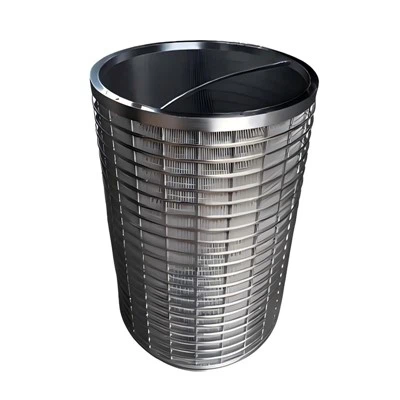
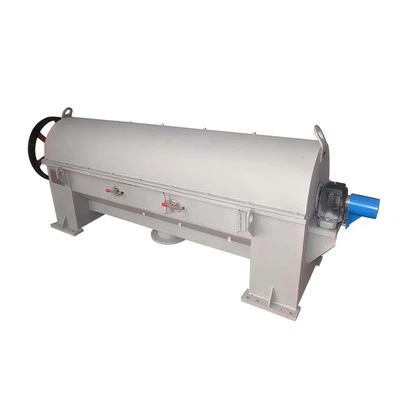
Hey there! As a supplier in the separator category equipment industry, I often get asked about the installation requirements for this kind of gear. So, I thought I'd share some insights on what you need to know when it comes to installing separator category equipment.
Site Preparation
First things first, you gotta prep the site where the separator will be installed. This means making sure the area is clean and free of any debris or obstructions. You don't want anything getting in the way during the installation process or causing problems down the line.
The floor where the equipment will sit needs to be level. An uneven surface can lead to all sorts of issues, like excessive vibration, which can damage the equipment and affect its performance. You might need to use shims or other leveling devices to get the floor just right.
Also, check the floor's load - bearing capacity. Separator equipment can be pretty heavy, especially the larger models. If the floor can't handle the weight, it could crack or collapse, which is a major safety hazard. You may need to consult a structural engineer to determine if the floor needs reinforcement.

Electrical Requirements
Most separator category equipment runs on electricity, so getting the electrical setup right is crucial. You need to have a power source that can provide the correct voltage and amperage for the specific equipment you're installing.
Make sure the electrical connections are made by a qualified electrician. Incorrect wiring can lead to short - circuits, electrical fires, or damage to the equipment. The electrician should also install proper grounding to protect against electrical shocks.
It's a good idea to have a dedicated circuit for the separator. This helps prevent overloading and ensures a stable power supply. You don't want the equipment to shut down because of a power surge or a tripped breaker.
Ventilation
Many separators generate heat during operation, and some may also produce dust or fumes. That's why proper ventilation is essential. You need to have an adequate ventilation system in place to remove the heat, dust, and fumes from the installation area.
The ventilation system should be designed to meet the specific requirements of the separator equipment. For example, if the separator produces a lot of dust, you'll need a dust collection system to keep the air clean. This not only protects the health of the operators but also helps prevent damage to the equipment from dust buildup.
Space Requirements
You need to have enough space around the separator for installation, operation, and maintenance. Leave at least a few feet of clearance on all sides of the equipment. This allows for easy access to the controls, inspection ports, and other components.
During installation, you'll need enough room to maneuver the equipment into place. You may also need space for any additional accessories or support structures. And when it comes to maintenance, having enough space makes it easier to remove and replace parts.
Water Supply (if applicable)
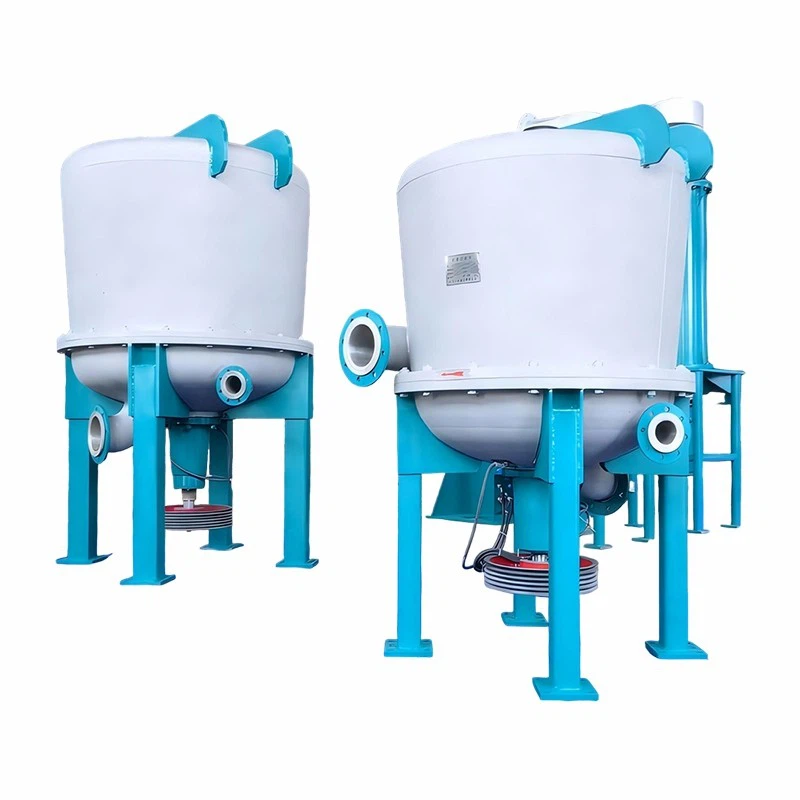
Some separator category equipment, like certain types of Float Purger, may require a water supply. If that's the case, you need to ensure a reliable water source is available.
The water should be clean and free of contaminants that could clog the equipment or affect its performance. You may need to install filters or other water treatment devices to ensure the water quality.
The water pressure and flow rate also need to be within the specified range for the equipment. Too low or too high water pressure can cause problems, such as improper operation or damage to the equipment.
Alignment and Connection
Proper alignment of the separator with other components in the system is vital. If the equipment is not aligned correctly, it can cause excessive wear and tear on the moving parts, reduce efficiency, and even lead to breakdowns.
When connecting the separator to other equipment, such as pipes or conveyors, make sure the connections are tight and leak - free. Loose connections can result in leaks, which can waste materials and create a mess. You may need to use gaskets or seals to ensure a proper seal.
Safety Considerations
Safety should always be a top priority during installation. Make sure all safety guards and devices are in place and functioning properly. This includes guards around moving parts, emergency stop buttons, and warning signs.
Provide proper training to the operators on how to safely install and operate the separator equipment. They should know how to use the controls, what to do in case of an emergency, and how to perform basic maintenance tasks.
Commissioning and Testing
Once the separator is installed, it's time for commissioning and testing. This involves checking all the functions of the equipment to make sure it's working correctly. You'll need to run some test cycles to verify the performance, such as the separation efficiency, throughput, and power consumption.
During the testing phase, you may need to make some adjustments to optimize the performance of the equipment. This could include adjusting the settings, such as the speed, pressure, or flow rate.
Maintenance Planning
Before you start using the separator, it's important to have a maintenance plan in place. Regular maintenance helps keep the equipment in good working condition and extends its lifespan.
The maintenance plan should include tasks such as lubrication, cleaning, inspection of parts for wear and tear, and replacement of worn - out components. You should also schedule regular maintenance checks by a qualified technician.
Installation of Specific Separators
Let's take a look at the installation requirements for some specific types of separator category equipment. For example, the Reject Separator is designed to separate unwanted materials from the main product.
When installing a Reject Separator, you need to pay special attention to the inlet and outlet connections. The inlet should be properly aligned with the source of the material, and the outlet should be connected to the appropriate collection system.
The Float Purger, on the other hand, is used to remove floating impurities from a liquid. Installation of a Float Purger requires ensuring a proper water level in the tank and correct positioning of the purging mechanism.
In Conclusion
Installing separator category equipment is a complex process that requires careful planning and attention to detail. By following the installation requirements I've outlined above, you can ensure a smooth installation, optimal performance, and a long lifespan for your equipment.
If you're in the market for separator category equipment or have any questions about installation, don't hesitate to reach out. We're here to help you find the right equipment and make sure it's installed correctly. Whether you're a small business or a large industrial operation, we've got the expertise and products to meet your needs. So, let's start a conversation and see how we can work together to get your separator up and running.
References
- Industry standards for separator equipment installation
- Manufacturer's installation manuals for specific separator models