Can separator categories be used in sports analytics? This is a question that has piqued my interest as a supplier of separator categories. In the following blog, I will delve into this topic, exploring the potential applications and limitations of separator categories in sports analytics.
Understanding Separator Categories
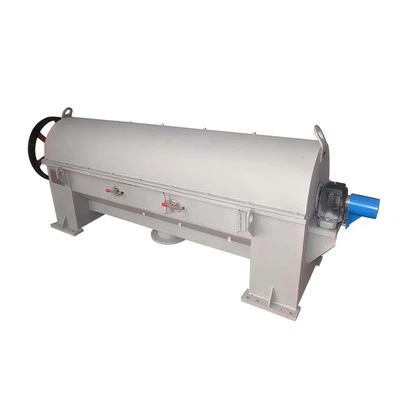
Before we explore their potential in sports analytics, let's first understand what separator categories are. Separator categories refer to a range of equipment designed to separate different materials based on their physical properties such as size, density, and shape. As a supplier, I offer a variety of separator categories, including the Reject Separator and the Float Purger. These separators are commonly used in industries such as mining, food processing, and recycling to improve product quality and efficiency.
The Concept of Sports Analytics
Sports analytics is the application of statistical analysis and data-driven decision-making in sports. It involves collecting, analyzing, and interpreting data related to athletes, teams, and games to gain insights into performance, strategy, and injury prevention. In recent years, sports analytics has become an integral part of professional sports, with teams using advanced technologies and data analytics tools to gain a competitive edge.
Potential Applications of Separator Categories in Sports Analytics
While separator categories are traditionally used in industrial settings, there are several potential applications in sports analytics. Here are some areas where separator categories could potentially be applied:
Player Performance Analysis
Separator categories could be used to analyze player performance data by separating different types of data points. For example, in basketball, a separator could be used to separate data related to shooting percentage, rebounds, assists, and turnovers. By analyzing these different categories of data, coaches and analysts can gain a more comprehensive understanding of a player's strengths and weaknesses.
Injury Prevention
Injury prevention is a critical aspect of sports analytics. Separator categories could be used to analyze injury data by separating different types of injuries based on their severity, location, and cause. By identifying patterns and trends in injury data, teams can develop targeted injury prevention strategies and reduce the risk of injuries.
Team Strategy
Separator categories could also be used to analyze team strategy by separating different types of plays and formations. For example, in football, a separator could be used to separate data related to running plays, passing plays, and special teams. By analyzing these different categories of data, coaches can identify the most effective plays and formations for their team and make adjustments accordingly.
Fan Engagement
Separator categories could be used to enhance fan engagement by providing more detailed and personalized data to fans. For example, a separator could be used to separate data related to individual players, teams, and games. By providing fans with access to this data, teams can create a more immersive and interactive fan experience.
Limitations of Separator Categories in Sports Analytics
While there are several potential applications of separator categories in sports analytics, there are also some limitations. Here are some of the challenges that need to be addressed:
Data Quality
The effectiveness of separator categories in sports analytics depends on the quality of the data. In order for separator categories to work effectively, the data needs to be accurate, complete, and consistent. However, collecting and analyzing sports data can be challenging, as it often involves multiple sources and formats.
Complexity
Separator categories can be complex to implement and use in sports analytics. They require a deep understanding of the data and the underlying algorithms. Additionally, the results of separator categories need to be interpreted correctly in order to make informed decisions.


Cost
Implementing separator categories in sports analytics can be expensive. It requires the purchase of specialized equipment and software, as well as the hiring of trained analysts. For smaller teams and organizations, the cost of implementing separator categories may be prohibitive.
Overcoming the Limitations
While there are some limitations to the use of separator categories in sports analytics, there are also several ways to overcome these challenges. Here are some strategies that can be used to overcome the limitations:
Data Management
To ensure the quality of the data, teams and organizations need to implement effective data management practices. This includes collecting data from multiple sources, cleaning and preprocessing the data, and storing the data in a secure and accessible database.
Simplification
To make separator categories more accessible and user-friendly, they need to be simplified. This includes developing intuitive interfaces and tools that allow coaches and analysts to easily analyze and interpret the data.
Collaboration
Collaboration between sports teams, technology companies, and academic institutions can help to overcome the limitations of separator categories in sports analytics. By working together, these stakeholders can share knowledge, resources, and expertise to develop innovative solutions and applications.
Conclusion
In conclusion, while separator categories are traditionally used in industrial settings, there are several potential applications in sports analytics. By separating different types of data points, separator categories can provide a more comprehensive understanding of player performance, injury prevention, team strategy, and fan engagement. However, there are also some limitations to the use of separator categories in sports analytics, including data quality, complexity, and cost. By implementing effective data management practices, simplifying the technology, and collaborating with other stakeholders, these limitations can be overcome.
If you are interested in exploring the potential applications of separator categories in sports analytics, I encourage you to contact me to discuss your specific needs and requirements. As a supplier of separator categories, I have the expertise and experience to help you implement these technologies in your sports analytics program.
References
- [List any relevant academic papers, industry reports, or other sources of information used in the blog here]