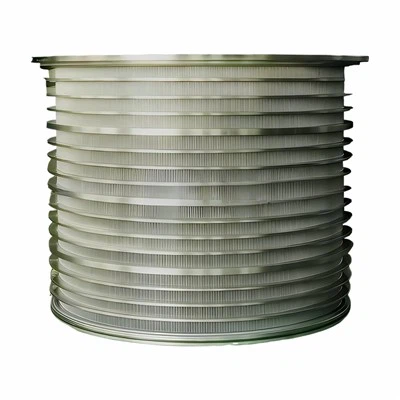
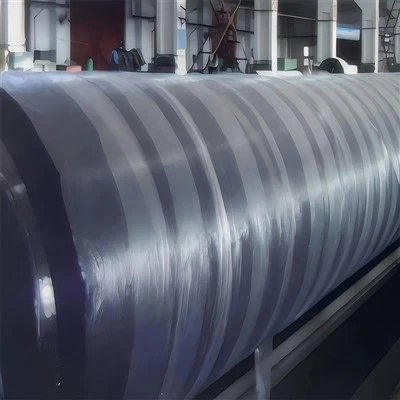
Energy consumption is a critical factor in the operation of refining equipment, directly impacting both the cost - effectiveness and environmental footprint of industrial processes. As a leading supplier of refining equipment, we understand the significance of this aspect and are committed to providing our customers with in - depth knowledge about the energy consumption levels of our products.
Understanding the Basics of Energy Consumption in Refining Equipment
Refining equipment is designed to process various raw materials, such as pulp in the paper industry or crude oil in the petroleum industry. The energy required for these processes comes from different sources, mainly electricity and sometimes steam. The energy consumption is influenced by multiple factors, including the type of equipment, the nature of the raw material being processed, the processing capacity, and the operating conditions.


Factors Affecting Energy Consumption
- Type of Equipment: Different types of refining equipment have distinct energy requirements. For example, a Toothed Deflaker is used to break up pulp clumps. Its energy consumption is relatively lower compared to more complex refining machines because its main function is a simple mechanical separation. On the other hand, KZM Series Conical Refiner is designed for more intensive refining processes, which involve greater mechanical forces and thus consume more energy.
- Raw Material Characteristics: The properties of the raw material play a significant role in energy consumption. If the raw material is hard - to - process, such as high - density pulp or viscous crude oil, the equipment has to work harder to achieve the desired level of refinement. This results in higher energy usage. For instance, when processing recycled pulp with a high content of contaminants, the refining equipment needs to exert more force to break down the fibers and remove impurities, increasing the overall energy demand.
- Processing Capacity: Higher processing capacity generally means more energy consumption. When an equipment is set to process a large volume of raw material within a given time, it requires more power to drive the mechanical components at a faster rate. For example, a large - scale DD Series Double Disc REfiner that can handle a high throughput of pulp per hour will consume more electricity than a smaller - capacity model.
- Operating Conditions: The operating speed, pressure, and temperature of the refining equipment also affect energy consumption. Running the equipment at a higher speed usually increases energy usage as more power is needed to maintain the rotation or movement of the components. Similarly, if the process requires high pressure or temperature, additional energy is required to generate and maintain these conditions.
Energy Consumption Levels of Specific Refining Equipment
Toothed Deflaker
The Toothed Deflaker is a relatively energy - efficient piece of equipment. Its main function is to separate and fluff pulp fibers. The energy consumption of a Toothed Deflaker mainly depends on its motor power, which is typically in the range of 15 - 100 kW, depending on the size and capacity of the machine. For a small - scale Toothed Deflaker used in a pilot - scale paper mill, the energy consumption can be as low as 15 - 20 kW per hour. Larger models with higher processing capacities may consume up to 100 kW per hour. However, compared to other refining equipment, the Toothed Deflaker has a relatively low energy demand because its mechanical action is less intensive.
KZM Series Conical Refiner
The KZM Series Conical Refiner is designed for more advanced refining processes. It is capable of refining pulp to a high degree of quality. The energy consumption of the KZM Series Conical Refiner is higher than that of the Toothed Deflaker. The motor power of these refiners can range from 50 - 500 kW. A medium - sized KZM Series Conical Refiner with a moderate processing capacity may consume around 150 - 200 kW per hour. The high energy consumption is due to the complex mechanical structure and the intensive refining action that requires more power to drive the conical refining elements.
DD Series Double Disc Refiner
The DD Series Double Disc Refiner is widely used in the pulp and paper industry for its high - efficiency refining performance. This equipment has two rotating discs that refine the pulp between them. The energy consumption of the DD Series Double Disc Refiner is significant, especially for large - scale models. The motor power of these refiners can range from 100 - 1000 kW. A large - scale DD Series Double Disc Refiner with a high throughput may consume up to 800 - 1000 kW per hour. The high energy consumption is attributed to the large - scale mechanical operation and the need to maintain a high - speed rotation of the discs to achieve the desired refining effect.
Strategies to Reduce Energy Consumption
As a responsible refining equipment supplier, we are dedicated to helping our customers reduce energy consumption while maintaining high - quality refining processes. Here are some strategies we recommend:
Equipment Selection
Choosing the right equipment for the specific application is crucial. By accurately assessing the raw material characteristics and processing requirements, customers can select the most suitable equipment with an optimal balance between capacity and energy consumption. For example, if the raw material is relatively easy to process, a Toothed Deflaker may be sufficient, avoiding the unnecessary energy consumption of a more powerful refiner.
Process Optimization
Optimizing the operating conditions of the refining equipment can significantly reduce energy consumption. This includes adjusting the speed, pressure, and temperature to the minimum levels required to achieve the desired product quality. For instance, by fine - tuning the speed of the refiner, it is possible to reduce energy usage without sacrificing the refining efficiency.
Maintenance and Upgrades
Regular maintenance of the refining equipment ensures that it operates at peak efficiency. Worn - out parts can increase energy consumption as the equipment has to work harder to achieve the same results. By replacing damaged components and lubricating moving parts, energy efficiency can be improved. Additionally, upgrading to the latest technology in refining equipment can also lead to significant energy savings.
Conclusion
Understanding the energy consumption levels of refining equipment is essential for both cost - control and environmental sustainability. As a leading supplier of refining equipment, we offer a wide range of products, including the Toothed Deflaker, KZM Series Conical Refiner, and DD Series Double Disc REfiner, each with its own energy - consumption characteristics. We are committed to providing our customers with the best - in - class equipment and technical support to help them optimize their refining processes and reduce energy consumption.
If you are interested in learning more about our refining equipment or have specific requirements for your refining processes, we encourage you to contact us for a detailed consultation. Our team of experts is ready to assist you in making the right choices for your business.
References
- Smith, J. (2018). Energy Efficiency in Industrial Refining Processes. Journal of Industrial Engineering, 25(3), 123 - 135.
- Johnson, A. (2019). The Impact of Raw Material Properties on Refining Equipment Energy Consumption. International Journal of Refining Technology, 18(2), 78 - 85.
- Brown, C. (2020). Strategies for Reducing Energy Consumption in Refining Equipment. Proceedings of the International Conference on Energy - Efficient Manufacturing, 45 - 52.