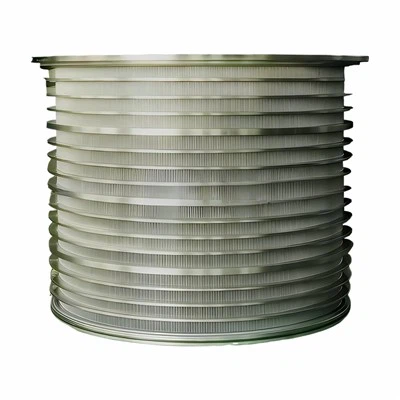
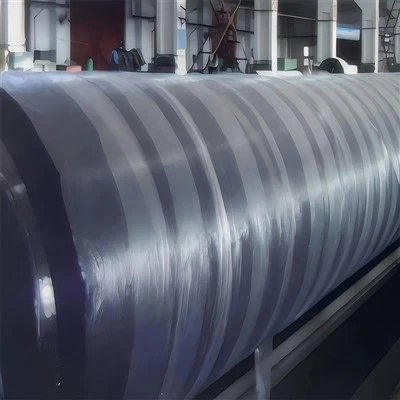
As a seasoned supplier of refining equipment, I've had the privilege of witnessing firsthand the diverse and innovative landscape of this industry. Refining equipment plays a crucial role in various sectors, from pulp and paper to food processing, ensuring the quality and efficiency of production processes. In this blog, I'll explore the main types of refining equipment that we offer and their applications.
1. Conical Refiners
Conical refiners are a staple in the pulp and paper industry, known for their ability to efficiently refine pulp fibers. The KZM Series Conical Refiner is one of our flagship products in this category. These refiners feature a conical-shaped refining zone, which allows for a gradual and controlled refining process.


The working principle of a conical refiner involves the rotation of a conical rotor inside a stationary stator. As the pulp passes through the narrowing gap between the rotor and stator, the fibers are subjected to mechanical forces such as shearing, compression, and friction. This results in the fibrillation of the fibers, which improves their bonding properties and enhances the strength and quality of the final paper product.
Conical refiners are suitable for a wide range of pulp types, including softwood, hardwood, and recycled fibers. They can be used in both primary and secondary refining stages, depending on the specific requirements of the paper mill. In addition to the pulp and paper industry, conical refiners can also be used in other applications such as the production of cellulose derivatives and biofuels.
2. Toothed Deflakers
Toothed deflakers are another important type of refining equipment, particularly in the pulp and paper industry. The Toothed Deflaker is designed to break up pulp bundles and remove knots, shives, and other impurities from the pulp.
The main component of a toothed deflaker is a rotor with a series of teeth or blades. As the rotor rotates at high speed, the teeth engage with the pulp bundles, breaking them apart into individual fibers. The deflaked pulp then passes through a screen or sieve to remove any remaining impurities.
Toothed deflakers are typically used in the early stages of the pulp processing line, after the pulping process. They are effective in improving the uniformity and cleanliness of the pulp, which in turn improves the quality of the final paper product. In addition to the pulp and paper industry, toothed deflakers can also be used in other applications such as the recycling of paper and cardboard.
3. Double Disc Refiners
Double disc refiners are widely used in the pulp and paper industry for both primary and secondary refining. The DD Series Double Disc Refiner is a high-performance refining equipment that offers excellent fiber treatment and energy efficiency.
A double disc refiner consists of two rotating discs with refining plates on their surfaces. The pulp is fed into the center of the refiner and passes through the narrow gap between the two discs. As the discs rotate, the refining plates exert mechanical forces on the fibers, causing them to fibrillate and develop their bonding properties.
Double disc refiners are known for their ability to produce a high-quality pulp with a wide range of fiber properties. They can be used to refine different types of pulp, including virgin and recycled fibers, and can be adjusted to meet the specific requirements of the paper mill. In addition to the pulp and paper industry, double disc refiners can also be used in other applications such as the production of nonwoven fabrics and composites.
4. Other Types of Refining Equipment
In addition to the three main types of refining equipment mentioned above, there are several other types of equipment that are used in the refining process. These include:
- Single Disc Refiners: Similar to double disc refiners, but with only one rotating disc. Single disc refiners are typically used for smaller-scale operations or for applications where a lower refining intensity is required.
- Cone Refiners: Similar to conical refiners, but with a different design. Cone refiners are often used in the production of specialty papers and pulp products.
- Hydrapulpers: Used to break down paper and cardboard into pulp. Hydrapulpers are an essential part of the recycling process, as they help to separate the fibers from the other components of the paper.
- Screening Equipment: Used to separate the pulp fibers from impurities such as knots, shives, and dirt. Screening equipment includes vibrating screens, pressure screens, and centrifugal cleaners.
Conclusion
Refining equipment is an essential part of many industries, particularly the pulp and paper industry. The main types of refining equipment include conical refiners, toothed deflakers, and double disc refiners, each with its own unique features and applications. By choosing the right type of refining equipment for your specific needs, you can improve the quality and efficiency of your production process, and ultimately, your bottom line.
If you're interested in learning more about our refining equipment or have any questions about your specific application, please don't hesitate to contact us. Our team of experts is always ready to assist you in finding the best solution for your needs.
References
- "Pulp and Paper Manufacturing Handbook" by G. A. Smook
- "Handbook of Pulp" edited by Christian Sixta
- "Paper Chemistry and Physics" by Donald A. Clark