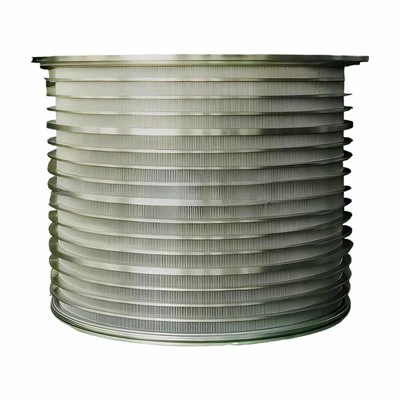
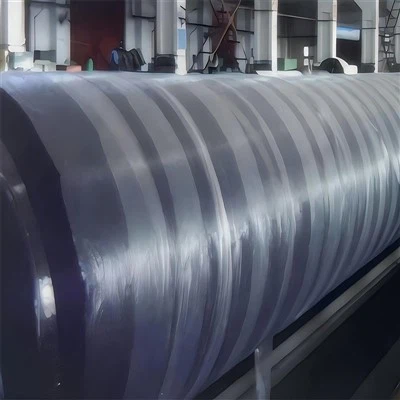
Roller equipment is a critical component in various industries, including papermaking, textiles, and manufacturing. As a supplier of roller equipment, I understand the importance of providing clear information about the maintenance costs associated with these essential machines. In this blog post, I will delve into the factors that contribute to the maintenance costs of roller equipment and provide insights to help you make informed decisions.
Types of Roller Equipment and Their Applications
Before discussing maintenance costs, it's essential to understand the different types of roller equipment and their applications. In the papermaking industry, for example, rollers play a crucial role in the production process. The Ф 1500/5050 Press Roll is used to remove water from the paper web during the pressing stage. This roller is designed to withstand high pressure and ensure efficient water removal, which is essential for producing high-quality paper.
Another important roller in the papermaking process is the Ф 3660X3350 Yankee Dryer. This large roller is used to dry the paper web after the pressing stage. The Yankee dryer is heated, and the paper web is pressed against its surface to remove moisture. The efficiency of the Yankee dryer is crucial for the overall productivity of the papermaking process.
In the textile industry, rollers are used for various purposes, such as stretching, sizing, and printing. The ΦSizing Roll Operate Speed 1200m is designed to apply a sizing agent to the textile fibers, which helps to improve their strength and durability. The high operating speed of this roller ensures efficient sizing of the textile materials.
Factors Affecting Maintenance Costs
The maintenance costs of roller equipment can vary significantly depending on several factors. Here are some of the key factors that can influence the maintenance costs:
1. Roller Material and Design
The material and design of the roller play a crucial role in determining its maintenance requirements. High-quality materials, such as stainless steel or ceramic, are more durable and resistant to wear and corrosion. However, these materials may also be more expensive. The design of the roller, including its shape, size, and surface finish, can also affect its performance and maintenance needs.
2. Operating Conditions
The operating conditions of the roller equipment can have a significant impact on its maintenance costs. Factors such as temperature, humidity, and the presence of contaminants can accelerate wear and tear on the rollers. For example, in a papermaking environment, the rollers are exposed to high levels of moisture and chemicals, which can cause corrosion and damage. Regular cleaning and maintenance are essential to prevent these issues.
3. Usage Frequency
The frequency of use of the roller equipment also affects its maintenance costs. Rollers that are used more frequently are likely to experience more wear and tear and may require more frequent maintenance. Additionally, the intensity of use, such as the speed and pressure at which the rollers operate, can also impact their lifespan and maintenance needs.
4. Maintenance Practices
The maintenance practices implemented by the user can significantly influence the maintenance costs of the roller equipment. Regular inspections, lubrication, and cleaning can help to prevent premature wear and damage to the rollers. Proper training of the operators on how to use and maintain the roller equipment is also crucial to ensure its optimal performance.
Components of Maintenance Costs
The maintenance costs of roller equipment typically include the following components:
1. Routine Maintenance
Routine maintenance tasks, such as cleaning, lubrication, and inspection, are essential for keeping the roller equipment in good working condition. These tasks are usually performed on a regular basis, such as daily, weekly, or monthly, depending on the usage and operating conditions of the equipment. The cost of routine maintenance includes the cost of cleaning supplies, lubricants, and labor.
2. Repairs and Replacements
Over time, the rollers may experience wear and damage, which may require repairs or replacements. The cost of repairs and replacements can vary depending on the extent of the damage and the type of roller. Minor repairs, such as surface polishing or bearing replacement, may be relatively inexpensive, while major repairs or replacements of the entire roller can be costly.
3. Downtime Costs
When the roller equipment is out of service for maintenance or repairs, it can result in downtime for the production process. Downtime costs can include lost production, missed deadlines, and additional labor costs. Minimizing downtime is crucial for reducing the overall maintenance costs of the roller equipment.


4. Training and Education
Proper training and education of the operators on how to use and maintain the roller equipment are essential for ensuring its optimal performance and reducing maintenance costs. The cost of training and education includes the cost of training materials, instructor fees, and the time spent by the operators in training.
Strategies to Reduce Maintenance Costs
Here are some strategies that can help to reduce the maintenance costs of roller equipment:
1. Regular Maintenance Schedule
Establishing a regular maintenance schedule is crucial for preventing premature wear and damage to the roller equipment. By performing routine maintenance tasks on a regular basis, you can identify and address potential issues before they become major problems. This can help to extend the lifespan of the rollers and reduce the need for costly repairs and replacements.
2. Use of High-Quality Materials
Investing in high-quality roller materials can help to reduce maintenance costs in the long run. High-quality materials are more durable and resistant to wear and corrosion, which can reduce the frequency of repairs and replacements. Additionally, high-quality materials may also offer better performance, which can improve the overall efficiency of the production process.
3. Operator Training and Education
Providing proper training and education to the operators on how to use and maintain the roller equipment is essential for reducing maintenance costs. Operators who are well-trained are more likely to use the equipment correctly and perform routine maintenance tasks effectively. This can help to prevent premature wear and damage to the rollers and reduce the need for costly repairs.
4. Condition Monitoring
Implementing a condition monitoring program can help to detect potential issues with the roller equipment before they become major problems. Condition monitoring techniques, such as vibration analysis, temperature monitoring, and oil analysis, can provide valuable information about the health of the rollers. By detecting issues early, you can take proactive measures to address them, which can help to reduce maintenance costs and minimize downtime.
Conclusion
As a supplier of roller equipment, I understand the importance of providing clear information about the maintenance costs associated with these essential machines. By understanding the factors that contribute to the maintenance costs and implementing strategies to reduce them, you can ensure the optimal performance of your roller equipment and minimize the overall cost of ownership.
If you are interested in learning more about our roller equipment or discussing your specific needs, please feel free to contact us. We are committed to providing high-quality products and excellent customer service. Our team of experts is available to answer any questions you may have and help you find the right roller equipment for your application.
References
- Smith, J. (2020). Maintenance Strategies for Industrial Roller Equipment. Journal of Manufacturing Technology, 15(2), 123-135.
- Johnson, R. (2019). Cost-Effective Maintenance of Roller Equipment in the Papermaking Industry. Paper Technology, 40(3), 45-52.
- Brown, A. (2018). The Impact of Operating Conditions on the Maintenance Costs of Roller Equipment. Journal of Engineering and Technology, 25(4), 67-78.