In the diverse landscape of industrial production, other equipment plays a crucial role in ensuring the smooth operation of various processes. As a reputable supplier of other equipment, I understand the significance of using the right materials to meet the specific requirements of different applications. This blog post aims to delve into the material requirements for other equipment, providing insights into the selection process and the importance of quality materials.
Understanding the Role of Other Equipment
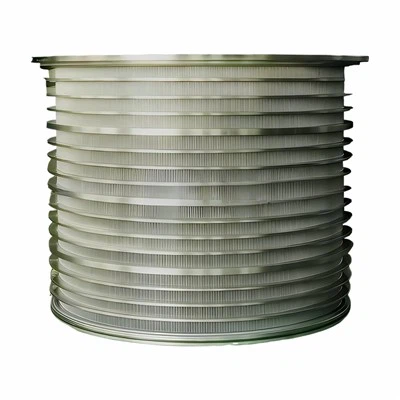
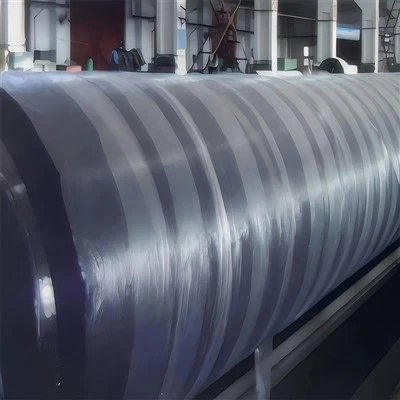
Other equipment encompasses a wide range of products that are essential for industrial operations. These may include 700X3850 Vacuum Suction Box, Pneumatic Calibrator, SS Frame Of Press Secton, and many others. Each piece of equipment has its unique function and is designed to work in harmony with other components of the production line.
Material Requirements for Different Types of Other Equipment
Vacuum Suction Box
A vacuum suction box, such as the 700X3850 Vacuum Suction Box, is used to create a vacuum environment for various applications, such as material handling and packaging. The materials used in the construction of a vacuum suction box must be able to withstand the pressure difference between the inside and outside of the box.
- Stainless Steel: Stainless steel is a popular choice for vacuum suction boxes due to its corrosion resistance, strength, and durability. It can withstand high vacuum levels and is easy to clean and maintain.
- Aluminum: Aluminum is another lightweight and corrosion-resistant material that is suitable for vacuum suction boxes. It is also relatively inexpensive and easy to machine, making it a cost-effective option for some applications.
Pneumatic Calibrator
A pneumatic calibrator is used to measure and control the pressure, flow, and other parameters of pneumatic systems. The materials used in a pneumatic calibrator must be able to withstand the high pressures and temperatures associated with pneumatic systems.
- Brass: Brass is a common material used in pneumatic calibrators due to its excellent machinability, corrosion resistance, and thermal conductivity. It can withstand high pressures and temperatures and is relatively inexpensive.
- Stainless Steel: Stainless steel is also a popular choice for pneumatic calibrators, especially in applications where corrosion resistance is critical. It can withstand high pressures and temperatures and is easy to clean and maintain.
SS Frame Of Press Secton
The SS Frame Of Press Secton provides structural support for the press section of a production line. The materials used in the construction of the frame must be able to withstand the heavy loads and vibrations associated with the press operation.
- Stainless Steel: Stainless steel is the ideal material for the SS Frame Of Press Secton due to its high strength, corrosion resistance, and durability. It can withstand the heavy loads and vibrations of the press operation and is easy to clean and maintain.
- Carbon Steel: Carbon steel is also a common material used in the construction of press frames. It is relatively inexpensive and has high strength, but it is prone to corrosion and requires regular maintenance.
Factors Affecting Material Selection
When selecting materials for other equipment, several factors need to be considered:
Functionality
The primary function of the equipment should be the first consideration when selecting materials. The materials must be able to perform the required tasks effectively and efficiently.
Environment
The operating environment of the equipment, including temperature, humidity, and chemical exposure, can have a significant impact on the material selection. For example, in a corrosive environment, materials with high corrosion resistance, such as stainless steel, should be used.
Cost
Cost is always an important factor in material selection. While high-quality materials may be more expensive, they can often provide better performance and longer service life, resulting in lower overall costs in the long run.
Availability
The availability of the materials is also an important consideration. Some materials may be difficult to source or may have long lead times, which can affect the production schedule.
Importance of Quality Materials
Using high-quality materials in the construction of other equipment is essential for several reasons:
Performance
Quality materials ensure that the equipment performs its function effectively and efficiently. They can withstand the harsh operating conditions and provide reliable performance over an extended period.
Durability
High-quality materials are more durable and can withstand wear and tear, reducing the need for frequent repairs and replacements. This can save time and money in the long run.
Safety
Using quality materials in equipment construction helps to ensure the safety of the operators and the surrounding environment. Materials that are prone to failure or corrosion can pose a significant safety risk.
Conclusion
As a supplier of other equipment, I understand the importance of using the right materials to meet the specific requirements of different applications. By carefully considering the functionality, environment, cost, and availability of materials, we can select the most suitable materials for each piece of equipment. Using high-quality materials not only ensures the performance and durability of the equipment but also contributes to the safety and efficiency of the production process.
If you are in the market for other equipment, such as the 700X3850 Vacuum Suction Box, Pneumatic Calibrator, or SS Frame Of Press Secton, and have any questions about material requirements or would like to discuss your specific needs, please feel free to reach out. We are here to provide you with the best solutions and support for your industrial equipment needs.


References
- "Materials Science and Engineering: An Introduction" by William D. Callister Jr. and David G. Rethwisch
- "Industrial Equipment Design and Selection" by various authors in the field of industrial engineering