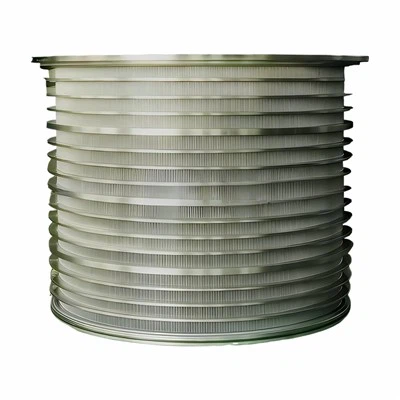
As a trusted ancillary equipment supplier, I understand the critical importance of noise reduction in industrial settings. Ancillary equipment, such as Paper Machine Ragger, Paper Machine Grapple, and Paper Machine Rope Cutter, plays a significant role in various manufacturing processes. However, the noise generated by these machines can pose challenges in terms of worker safety, productivity, and environmental compliance. In this blog post, I will explore some effective noise - reduction measures for ancillary equipment.
Understanding the Sources of Noise in Ancillary Equipment
Before delving into the noise - reduction measures, it is essential to understand where the noise in ancillary equipment comes from. The main sources of noise typically include mechanical vibrations, air movement, and the impact of moving parts. For example, in a paper machine ragger, the rapid movement of the ragging mechanism can generate significant noise due to the friction and impact between the components. Similarly, a paper machine grapple may produce noise when it opens and closes, as well as during the process of gripping and releasing materials. In a paper machine rope cutter, the cutting action and the movement of the blade can also be a major source of noise.
Engineering Controls for Noise Reduction
1. Vibration Isolation
One of the most effective ways to reduce noise from ancillary equipment is through vibration isolation. Vibration is a major contributor to noise, as it can cause the equipment and its surrounding structures to resonate and amplify the sound. By using vibration - isolating materials such as rubber mounts, springs, or cork pads, we can reduce the transmission of vibrations from the equipment to the floor and other structures. For instance, installing rubber mounts under the base of a paper machine rope cutter can absorb the vibrations generated during the cutting process, thereby reducing the noise level.
2. Enclosures and Shields
Enclosing the ancillary equipment can significantly reduce the noise emitted into the surrounding environment. An enclosure acts as a barrier that absorbs and reflects the sound waves, preventing them from spreading. When designing an enclosure for equipment like a paper machine grapple, it is important to use sound - absorbing materials such as fiberglass insulation or acoustic panels on the interior walls. Additionally, the enclosure should be well - sealed to prevent sound leakage. However, it is also necessary to ensure proper ventilation in the enclosure to prevent overheating of the equipment.
3. Lubrication and Maintenance
Proper lubrication of the moving parts in ancillary equipment is crucial for noise reduction. Lubricants reduce friction between the components, which in turn reduces the noise generated by mechanical contact. Regular maintenance, including checking for loose parts, worn - out bearings, and misaligned components, is also essential. For example, a worn - out bearing in a paper machine ragger can cause excessive noise due to increased friction and vibration. By replacing the bearing in a timely manner, we can restore the normal operation of the equipment and reduce the noise level.
Administrative Controls for Noise Reduction
1. Work Scheduling
Another approach to managing noise exposure is through work scheduling. By staggering the operation of noisy ancillary equipment, we can reduce the overall noise level in the workplace at any given time. For example, instead of running all the paper machine raggers, grapples, and rope cutters simultaneously, we can schedule their operation in shifts. This way, workers are not exposed to the combined noise of multiple machines at once, which can help protect their hearing.
2. Training and Awareness
Providing training to workers on the importance of noise reduction and the proper use of equipment is also an important administrative control. Workers should be educated on how to operate the ancillary equipment in a way that minimizes noise, such as avoiding over - speeding or rough handling. Additionally, they should be made aware of the potential health risks associated with excessive noise exposure and the proper use of personal protective equipment (PPE).
Personal Protective Equipment (PPE) for Noise Reduction
1. Earplugs and Earmuffs
Even with engineering and administrative controls in place, there may still be some residual noise in the workplace. In such cases, personal protective equipment (PPE) can provide an additional layer of protection for workers. Earplugs are small, disposable or reusable devices that are inserted into the ear canal to block the sound. Earmuffs, on the other hand, are worn over the ears and form a seal around them to reduce the noise level. Workers operating ancillary equipment such as paper machine raggers, grapples, and rope cutters should be provided with appropriate PPE and trained on how to use it correctly.


Monitoring and Evaluation
To ensure the effectiveness of the noise - reduction measures, it is necessary to conduct regular monitoring and evaluation. This can involve measuring the noise level in the workplace using sound - level meters at different locations and times. By comparing the measured noise levels before and after implementing the noise - reduction measures, we can determine whether the measures are working as intended. If the noise levels are still above the acceptable limits, we may need to re - evaluate the existing measures and consider additional solutions.
Conclusion
Noise reduction in ancillary equipment is a multi - faceted challenge that requires a combination of engineering controls, administrative controls, and the use of personal protective equipment. As an ancillary equipment supplier, we are committed to providing our customers with solutions that not only meet their production needs but also ensure a safe and quiet working environment. By implementing the noise - reduction measures discussed in this blog post, we can help our customers reduce the impact of noise on their workers' health, improve productivity, and comply with environmental regulations.
If you are interested in learning more about our ancillary equipment and the noise - reduction solutions we offer, or if you have any specific requirements for your production process, please feel free to contact us for a detailed discussion. We look forward to working with you to find the best solutions for your business.
References
- OSHA. (2019). Occupational Noise Exposure: Solutions for Protecting Workers. U.S. Department of Labor.
- ISO 11690 - 1:2013. Acoustics - Noise control design procedures for machinery and equipment - Part 1: Planning.
- Industrial Noise Control Handbook. CRC Press.