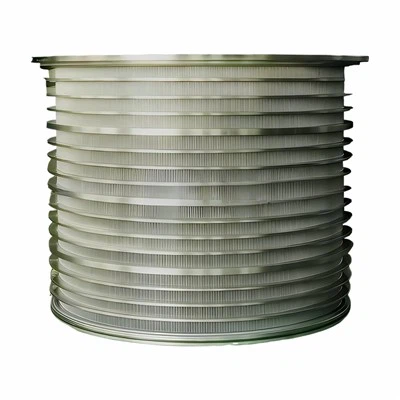
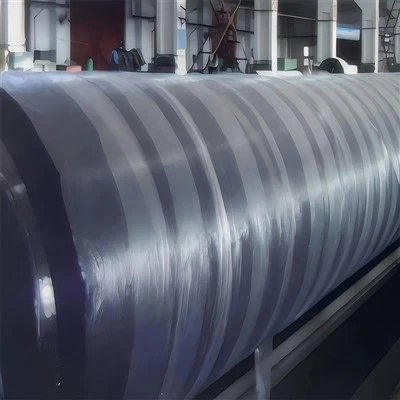
As a supplier of Toothed Deflakers, I've witnessed firsthand the critical role these machines play in the pulp and paper industry. A Toothed Deflaker is designed to break up pulp bundles and agglomerates, improving the quality and consistency of the pulp. However, the successful foundation of a Toothed Deflaker installation requires careful consideration of several key factors. In this blog post, I'll delve into the essential requirements for laying the groundwork for a Toothed Deflaker installation.
Site Selection and Preparation
The first step in any Toothed Deflaker installation is choosing the right site. The location should be easily accessible for transportation of the equipment and raw materials. It should also have sufficient space to accommodate the deflaker, associated machinery, and allow for future expansion if needed.
The floor of the installation site must be level and able to support the weight of the Toothed Deflaker and its auxiliary equipment. A concrete foundation is often recommended as it provides a stable base. The thickness and strength of the concrete should be determined based on the weight and dimensions of the deflaker. For example, larger and heavier models may require a thicker and more reinforced concrete slab.
Proper drainage is another crucial aspect of site preparation. Pulp processing involves the use of water, and any spills or leaks need to be drained away efficiently to prevent damage to the equipment and the surrounding area. Installing a drainage system with appropriate slopes and catch basins can help ensure that water is removed quickly and effectively.
Utilities and Infrastructure
A reliable supply of utilities is essential for the operation of a Toothed Deflaker. This includes electricity, water, and steam.
Electricity: The deflaker requires a stable power supply to operate its motors and control systems. The electrical requirements should be carefully calculated based on the power rating of the deflaker and any associated equipment. It's important to ensure that the electrical infrastructure at the installation site can handle the load. This may involve upgrading the electrical panel, installing dedicated circuits, and providing proper grounding to prevent electrical hazards.
Water: Water is used in the pulp processing to dilute the pulp and facilitate the deflaking process. A sufficient supply of clean water is necessary, and the water quality should meet the requirements of the deflaker. The water source should be reliable, and a proper water treatment system may be required to remove impurities and ensure the longevity of the equipment. Additionally, a water supply system with appropriate pipes, valves, and pumps should be installed to deliver water to the deflaker at the required pressure and flow rate.
Steam: In some cases, steam is used to heat the pulp and improve the deflaking efficiency. A steam supply system with the right capacity and pressure needs to be in place. The steam pipes should be properly insulated to minimize heat loss and ensure that the steam reaches the deflaker at the desired temperature.
Equipment Installation and Alignment
Once the site is prepared and the utilities are in place, the Toothed Deflaker can be installed. It's important to follow the manufacturer's installation instructions carefully to ensure proper alignment and functionality.
The deflaker should be installed on the prepared foundation using appropriate mounting hardware. The alignment of the deflaker's components, such as the rotor and stator, is critical for its performance. Any misalignment can lead to uneven wear, reduced efficiency, and increased noise and vibration. Laser alignment tools can be used to ensure precise alignment of the components.
After the deflaker is installed, all the connections for water, steam, and electricity should be checked and tightened to prevent leaks and electrical problems. The control systems should be calibrated to ensure accurate operation of the deflaker.
Safety and Environmental Considerations
Safety is of utmost importance in any industrial installation, and a Toothed Deflaker is no exception. The installation site should be equipped with appropriate safety features, such as safety guards, emergency stop buttons, and warning signs. Workers should be trained on the proper operation and maintenance of the deflaker, as well as safety procedures in case of an emergency.
Environmental considerations are also significant. Pulp processing can generate waste and emissions, and it's important to implement measures to minimize the environmental impact. This may include installing waste treatment systems to handle pulp residues and wastewater, and ensuring that emissions are within the regulatory limits.
Training and Support
Even with a well-designed installation, proper training of the operators is essential for the efficient and safe operation of the Toothed Deflaker. As a supplier, we offer comprehensive training programs to our customers. These programs cover the operation, maintenance, and troubleshooting of the deflaker.
In addition to training, we also provide ongoing technical support to our customers. Our team of experts is available to answer any questions, provide advice on maintenance and repair, and assist with any issues that may arise during the operation of the deflaker.
Complementary Equipment
To enhance the performance of the Toothed Deflaker, it may be necessary to install complementary equipment. For example, a KZM Series Conical Refiner can be used in conjunction with the deflaker to further refine the pulp and improve its quality. The KTF Refiner is another option that can work well with the Toothed Deflaker to achieve the desired pulp characteristics.


Conclusion
The foundation of a Toothed Deflaker installation requires careful planning and attention to detail. From site selection and preparation to equipment installation, safety, and environmental considerations, every aspect plays a crucial role in the successful operation of the deflaker. As a supplier of Toothed Deflakers, we are committed to providing our customers with high-quality equipment and comprehensive support to ensure that their installations are a success.
If you're considering installing a Toothed Deflaker or have any questions about the installation process, please don't hesitate to contact us. We're here to help you make the right decisions and ensure that your pulp processing operation runs smoothly and efficiently.
References
- Pulp and Paper Handbook, 3rd Edition
- Manufacturer's Installation and Operation Manuals for Toothed Deflakers