

Hey there! As a supplier in the separator category, I've spent a ton of time diving into what these nifty devices are all about and why they're so crucial in various systems. So, let's chat about the function of a separator category in a system.
First off, what the heck is a separator category? Well, it's a broad term that covers a whole bunch of equipment designed to separate different components from a mixture. These separators can be used in a wide range of industries, from food and beverage to mining and manufacturing. Each type of separator has its own unique way of doing things, but they all share the same goal: to split up a mixture into its individual parts.
One of the most common functions of separators is to remove impurities. In many industrial processes, raw materials come with all sorts of unwanted stuff mixed in. For example, in the oil and gas industry, crude oil straight from the ground contains water, sand, and other contaminants. Separators are used to get rid of these impurities, making the oil suitable for further processing. This not only improves the quality of the end product but also helps protect the equipment downstream from damage caused by these contaminants.
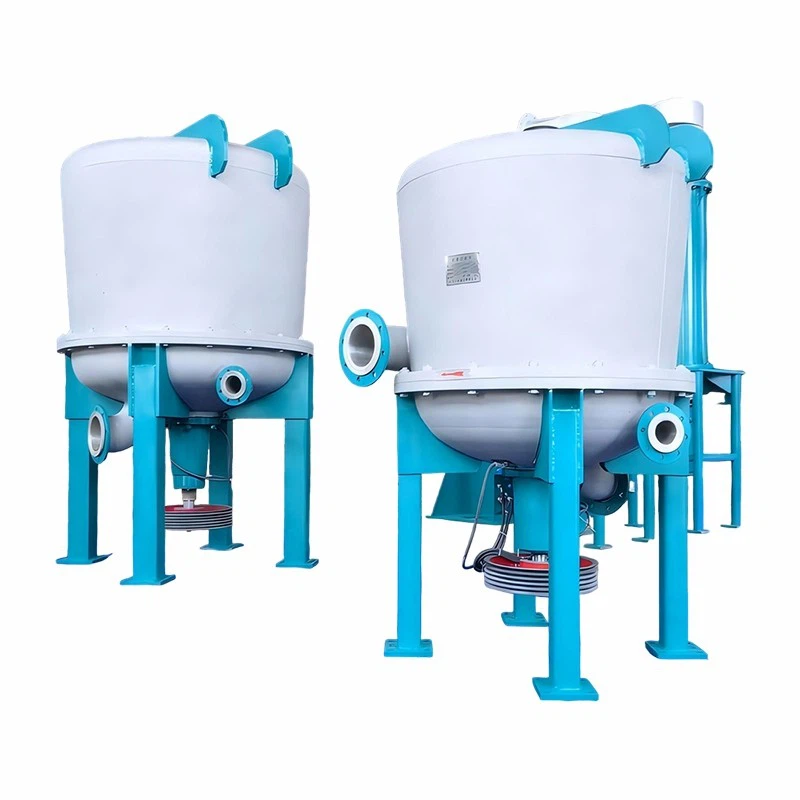
Another key function is to separate different phases of a substance. Take a look at the Reject Separator. This type of separator is often used to separate solid particles from a liquid or gas stream. In a wastewater treatment plant, for instance, a reject separator can remove large debris and solids from the water, preventing clogs in the pipes and ensuring the efficiency of the treatment process.
Separators are also great for sorting different types of materials. In the recycling industry, they play a vital role in separating different types of plastics, metals, and paper. By doing so, recyclers can process each material more efficiently and turn them into new products. This helps reduce waste and conserve natural resources, which is a win - win for everyone.
Let's talk about the Float Purger. This separator is specifically designed to remove floating materials from a liquid. In a food processing plant, it can be used to remove fats and oils from wastewater, ensuring that the effluent meets environmental standards. It also helps recover valuable materials that can be reused in other parts of the process, which can save a company a lot of money in the long run.

In the chemical industry, separators are used to separate different chemical compounds. This is crucial for producing high - purity chemicals. For example, in the production of pharmaceuticals, separators are used to purify active ingredients, ensuring that the final product is safe and effective. Without these separators, it would be nearly impossible to achieve the level of purity required in the pharmaceutical industry.
Now, let's get into how separators work. There are several methods that separators use to do their job. One common method is sedimentation. In a sedimentation separator, the mixture is allowed to sit still, and the heavier particles settle to the bottom while the lighter ones float to the top. This method is simple and cost - effective but may not be suitable for all types of mixtures.
Another method is filtration. Filtration separators use a porous material to trap solid particles while allowing the liquid or gas to pass through. This is a very effective way to remove small particles from a mixture, but the filter may need to be replaced regularly to maintain its efficiency.
Centrifugal force is also widely used in separators. Centrifugal separators spin the mixture at high speeds, causing the heavier particles to move towards the outer edge while the lighter ones stay in the center. This method is very efficient and can separate particles of different sizes and densities.
The function of a separator category in a system is multi - faceted. Whether it's removing impurities, separating different phases, sorting materials, or purifying chemical compounds, separators are essential for the smooth operation of many industrial processes. They help improve product quality, protect equipment, conserve resources, and meet environmental regulations.
If you're in an industry that could benefit from separator technology, I'd love to have a chat with you. Whether you're looking for a Reject Separator to handle solid - liquid separation or a Float Purger to deal with floating materials, we've got the expertise and the products to meet your needs. Contact us to start a discussion about how our separator solutions can optimize your system and save you time and money.
References
- Industrial Separation Technology Handbook. This handbook provides in - depth information on various types of separators and their applications in different industries.
- Journal of Separation Science. It contains research articles on the latest developments in separator technology and their functions in different systems.
