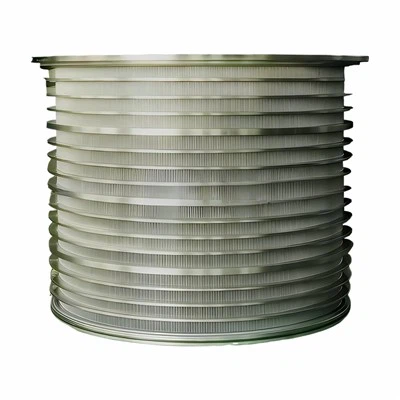
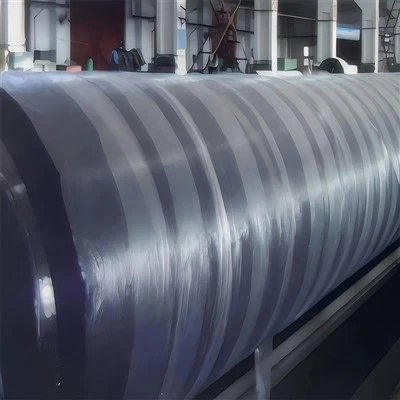
In the field of pulp washing and extrusion equipment, the screw press thickener stands as a crucial component for efficient processing. As a leading supplier of Screw Press Thickener, understanding the monitoring frequency of its key parameters is essential for ensuring optimal performance, longevity, and cost - effectiveness.


Key Parameters of a Screw Press Thickener
Before delving into the monitoring frequency, it is important to identify the key parameters of a screw press thickener. These parameters include pressure, flow rate, consistency, and temperature.
Pressure: The pressure within the screw press thickener is a vital parameter. It directly affects the dewatering efficiency. If the pressure is too low, the thickening process will be inefficient, and the output pulp may not reach the desired consistency. On the other hand, excessive pressure can cause damage to the equipment, such as wear and tear on the screw and the filter screen.
Flow Rate: The flow rate of the pulp entering and leaving the thickener is another important parameter. A stable and appropriate flow rate ensures that the thickening process is carried out smoothly. An abnormal flow rate may indicate blockages in the pipeline or problems with the feeding system.
Consistency: Consistency refers to the ratio of solid content to the total volume of the pulp. Monitoring the consistency of the input and output pulp is crucial for evaluating the performance of the thickener. A well - functioning screw press thickener should be able to achieve the desired consistency increase from the input to the output pulp.
Temperature: Temperature can also have an impact on the thickening process. High temperatures may cause changes in the physical and chemical properties of the pulp, affecting the dewatering efficiency. Moreover, excessive heat can damage the equipment components, especially those made of polymers or rubber.
Factors Affecting Monitoring Frequency
Several factors influence the appropriate monitoring frequency for these key parameters.
Operating Conditions: The operating conditions of the screw press thickener play a significant role. If the thickener is operating in a harsh environment, such as high - temperature or high - humidity conditions, or if it is processing pulp with a high content of impurities, the monitoring frequency should be increased. For example, in a pulp mill located in a tropical region with high humidity, the equipment is more prone to corrosion and blockages, so more frequent monitoring is required.
Equipment Age and Condition: Newly installed screw press thickeners may require less frequent monitoring initially, as they are less likely to have mechanical problems. However, as the equipment ages, the risk of component failure increases, and the monitoring frequency should be adjusted accordingly. For an old thickener that has been in operation for many years, regular and in - depth monitoring is necessary to detect potential issues early.
Production Requirements: The production requirements of the pulp mill also affect the monitoring frequency. If the mill has a high - volume production demand and cannot afford any downtime, more frequent monitoring is needed to ensure the continuous and stable operation of the thickener. In contrast, a mill with a lower production volume may be able to tolerate a slightly longer interval between monitoring.
Recommended Monitoring Frequencies
Based on our experience as a Screw Press Thickener supplier, the following are the recommended monitoring frequencies for the key parameters.
Pressure: Pressure should be monitored continuously during the operation of the thickener. Modern screw press thickeners are often equipped with pressure sensors that can provide real - time pressure data. Continuous monitoring allows operators to detect sudden pressure changes immediately, which may indicate equipment malfunctions or blockages.
Flow Rate: The flow rate should be monitored at least once per shift. A shift typically lasts 8 - 12 hours. By monitoring the flow rate regularly, operators can identify any gradual changes in the flow, which may be early signs of pipeline blockages or problems with the feeding pump.
Consistency: Consistency should be measured at least twice a day. Measuring the consistency at regular intervals helps to evaluate the long - term performance of the thickener and ensure that it is achieving the desired thickening effect. If the consistency deviates from the set target, adjustments can be made to the operating parameters in a timely manner.
Temperature: Temperature should be monitored continuously or at least every hour, especially during high - load operations. High temperatures can cause thermal stress on the equipment components, and continuous or frequent monitoring can prevent overheating and potential equipment damage.
Benefits of Appropriate Monitoring Frequency
Maintaining the appropriate monitoring frequency for the key parameters of the screw press thickener brings several benefits.
Improved Equipment Performance: By regularly monitoring the key parameters, operators can detect and address problems early, ensuring that the thickener operates at its optimal performance level. For example, if a blockage is detected in the pipeline based on the abnormal flow rate, it can be cleared before it causes significant damage to the equipment.
Extended Equipment Lifespan: Frequent monitoring helps to identify potential issues such as excessive wear and tear, corrosion, or overheating. By taking preventive measures in a timely manner, the lifespan of the screw press thickener can be extended, reducing the need for frequent equipment replacements.
Cost Savings: Appropriate monitoring can lead to cost savings in the long run. By preventing major equipment failures, the cost of emergency repairs and downtime can be minimized. Moreover, optimizing the operating parameters based on the monitored data can improve the energy efficiency of the thickener, reducing energy consumption costs.
Integration with Other Equipment
The screw press thickener is often part of a larger pulp processing system. It may be connected to other equipment such as High - speed Washer. When monitoring the key parameters of the screw press thickener, it is also necessary to consider its integration with other equipment.
For example, the output consistency of the high - speed washer may affect the input consistency of the screw press thickener. Therefore, the monitoring data of these two pieces of equipment should be analyzed together to ensure the overall efficiency of the pulp processing system. If the output consistency of the high - speed washer is too low, it may put more pressure on the screw press thickener to achieve the desired final consistency, and adjustments may be needed to the operating parameters of the high - speed washer.
Conclusion
In conclusion, as a supplier of Screw Press Thickener, we emphasize the importance of appropriate monitoring frequency for the key parameters of the thickener. By considering factors such as operating conditions, equipment age, and production requirements, operators can determine the optimal monitoring frequency for pressure, flow rate, consistency, and temperature.
Appropriate monitoring not only improves the performance and lifespan of the equipment but also leads to cost savings. Moreover, integrating the monitoring data of the screw press thickener with that of other related equipment in the pulp processing system can further enhance the overall efficiency of the production process.
If you are interested in our screw press thickeners or have any questions regarding their operation and monitoring, we welcome you to contact us for more information and to discuss potential procurement opportunities. We are committed to providing high - quality equipment and professional technical support to meet your pulp processing needs.
References
- Pulp and Paper Handbook, various editions.
- Research papers on pulp washing and thickening technology from industry - leading journals.