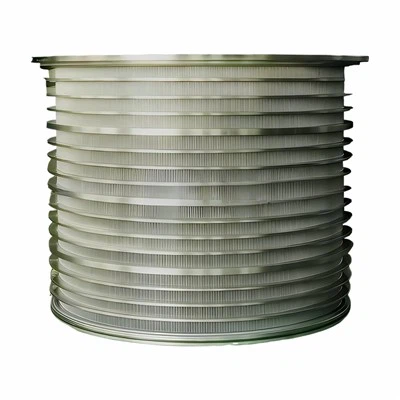
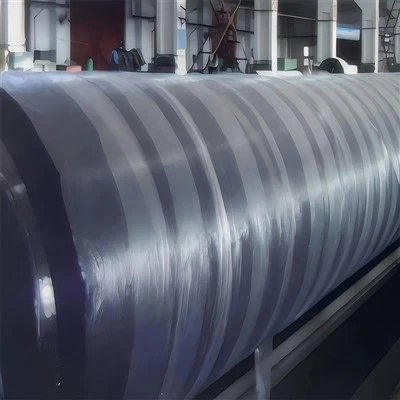
In the realm of pulp and paper manufacturing, the toothed deflaker stands as a crucial piece of equipment. It plays a significant role in breaking up pulp bundles and agglomerates, ensuring a more uniform pulp quality. One vital component of a toothed deflaker that often goes unnoticed but is of utmost importance is the cooling system. In this blog, as a toothed deflaker supplier, I will delve into the role of the cooling system in a toothed deflaker.
The Basics of a Toothed Deflaker
Before diving into the role of the cooling system, it's essential to understand the basic working principle of a toothed deflaker. A toothed deflaker consists of a rotor and a stator, both equipped with teeth. When the pulp enters the deflaker, the high - speed rotation of the rotor causes the pulp to be sheared between the teeth of the rotor and the stator. This shearing action breaks up the pulp bundles and agglomerates, resulting in a more dispersed and uniform pulp suspension.
During this process, a significant amount of mechanical energy is converted into heat. The heat generation is mainly due to the friction between the pulp and the teeth of the rotor and stator, as well as the internal friction within the pulp itself. If this heat is not properly managed, it can have several negative impacts on the deflaking process and the overall performance of the equipment.
The Role of the Cooling System
Temperature Control
The primary role of the cooling system in a toothed deflaker is to control the temperature. Maintaining an optimal temperature is crucial for several reasons. Firstly, excessive heat can cause the pulp to over - dry or even char in extreme cases. This can lead to a decrease in pulp quality, as the fibers may become damaged and lose their strength and flexibility. Secondly, high temperatures can also cause thermal expansion of the rotor and stator components. This expansion can lead to changes in the clearance between the rotor and stator teeth, which may affect the shearing action and the efficiency of the deflaking process.
The cooling system works by circulating a cooling medium, such as water or a coolant, around the deflaker components. The cooling medium absorbs the heat generated during the deflaking process and transfers it away from the equipment. By continuously regulating the flow rate and temperature of the cooling medium, the cooling system can keep the temperature of the deflaker within the desired range.
Equipment Protection
In addition to temperature control, the cooling system also helps protect the equipment from damage. High temperatures can accelerate the wear and tear of the rotor and stator teeth. The heat can cause the metal to soften, making it more susceptible to abrasion and corrosion. Over time, this can lead to premature failure of the components, which requires frequent replacement and increases the maintenance cost.
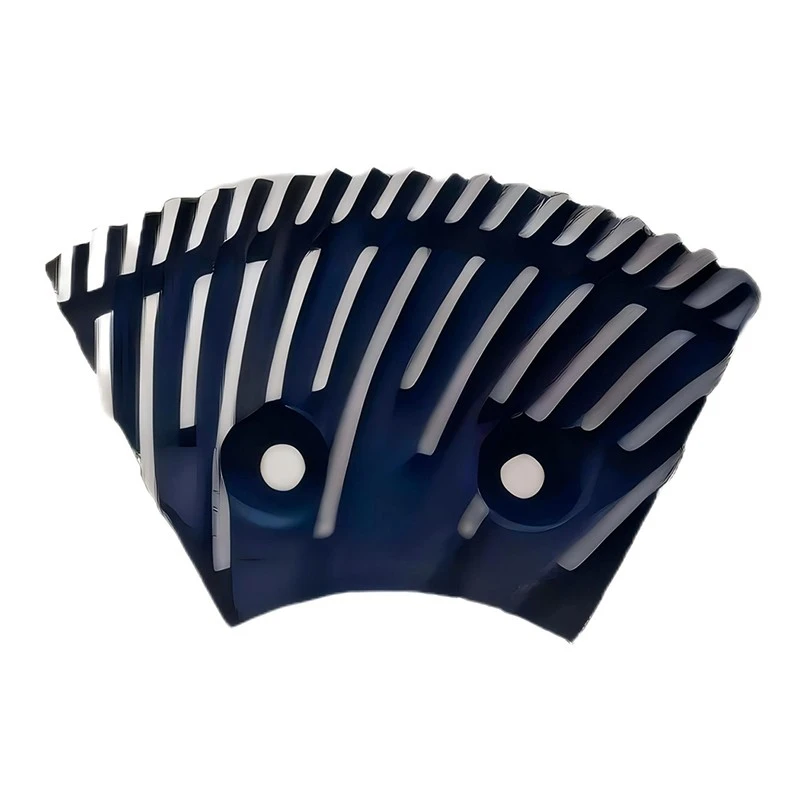

The cooling system helps to maintain the mechanical properties of the rotor and stator materials by keeping the temperature low. This reduces the rate of wear and extends the service life of the equipment. Moreover, by preventing thermal stress caused by high temperatures, the cooling system also helps to prevent cracks and other structural damages in the deflaker components.
Process Stability
A stable temperature is essential for the stability of the deflaking process. Fluctuations in temperature can cause variations in the viscosity and flow properties of the pulp. This can lead to inconsistent deflaking results, such as uneven pulp dispersion and differences in fiber length and strength.
The cooling system ensures that the temperature remains constant throughout the deflaking process. This helps to maintain a stable pulp flow and a consistent shearing action, resulting in more uniform pulp quality. With a stable process, the deflaker can operate at its maximum efficiency, producing high - quality pulp with minimal variations.
Types of Cooling Systems
There are several types of cooling systems that can be used in a toothed deflaker. The most common types include water - cooled systems and air - cooled systems.
Water - Cooled Systems
Water - cooled systems are widely used in toothed deflakers due to their high cooling efficiency. In a water - cooled system, water is circulated through a series of channels or jackets around the deflaker components. The water absorbs the heat and is then pumped to a heat exchanger, where it releases the heat to the environment or a secondary cooling system.
Water - cooled systems offer several advantages. Water has a high specific heat capacity, which means it can absorb a large amount of heat with a relatively small change in temperature. This allows for effective cooling even in high - heat - generating applications. Additionally, water is readily available and relatively inexpensive, making it a cost - effective cooling medium.
Air - Cooled Systems
Air - cooled systems use air as the cooling medium. In an air - cooled system, a fan blows air over the deflaker components, carrying away the heat. Air - cooled systems are relatively simple and require less maintenance compared to water - cooled systems. They are also more suitable for applications where water is scarce or where there are concerns about water contamination.
However, air - cooled systems have some limitations. Air has a lower specific heat capacity than water, which means it can absorb less heat per unit volume. As a result, air - cooled systems may not be as effective as water - cooled systems in high - heat - generating applications. They also tend to be larger in size to achieve the same cooling capacity as water - cooled systems.
Impact on Overall Pulp Quality
The proper functioning of the cooling system in a toothed deflaker has a direct impact on the overall pulp quality. By controlling the temperature and ensuring a stable deflaking process, the cooling system helps to produce pulp with consistent fiber properties.
Uniform pulp quality is essential for downstream processes in the pulp and paper manufacturing industry. For example, in papermaking, consistent pulp quality ensures uniform paper formation, strength, and printability. The cooling system, by enabling the toothed deflaker to operate at its best, contributes to the production of high - quality paper products.
Related Equipment and Their Cooling Needs
As a toothed deflaker supplier, we also offer other related refining equipment, such as the DD Series Double Disc Refiner, KTF Refiner, and KZM Series Conical Refiner. These equipment also have their own cooling requirements.
The DD Series Double Disc Refiner, for example, also generates a significant amount of heat during the refining process. Similar to the toothed deflaker, a cooling system is needed to control the temperature and ensure the stability of the refining process. The KTF Refiner and KZM Series Conical Refiner also rely on proper cooling to maintain their performance and protect their components from heat - related damage.
Conclusion
In conclusion, the cooling system in a toothed deflaker plays a vital role in temperature control, equipment protection, and process stability. It is an essential component that ensures the efficient and reliable operation of the deflaker and the production of high - quality pulp. Whether you are using a water - cooled or air - cooled system, proper maintenance and monitoring of the cooling system are crucial to ensure its optimal performance.
If you are in the market for a toothed deflaker or other related refining equipment, we are here to provide you with high - quality products and professional solutions. Our team of experts can help you select the most suitable equipment and cooling system for your specific needs. Contact us today to start a discussion about your procurement requirements and let us work together to improve your pulp and paper manufacturing process.
References
- Smith, J. (2018). Pulp and Paper Manufacturing Technology. Wiley - Blackwell.
- Jones, A. (2020). Thermal Management in Industrial Equipment. Elsevier.
- Brown, C. (2019). Handbook of Pulp and Paper Science and Technology. Springer.