What is the shock resistance of pulping equipment?
As a supplier of pulping equipment, I've witnessed firsthand the critical role shock resistance plays in the performance and longevity of our machinery. In the pulping industry, where raw materials are often fed into the equipment with varying degrees of force and consistency, the ability of the equipment to withstand shocks is paramount.
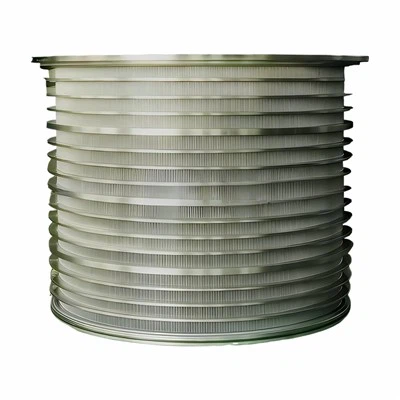
Shock resistance refers to the capacity of pulping equipment to absorb and dissipate the energy generated by sudden impacts or vibrations without suffering significant damage. These shocks can originate from multiple sources. For instance, when large chunks of raw materials, such as wood chips or recycled paper, are introduced into the pulping system, they can create a substantial impact force. Additionally, the operation of internal components like the Rotor can also generate vibrations that, if not properly managed, can lead to mechanical stress and potential breakdowns.
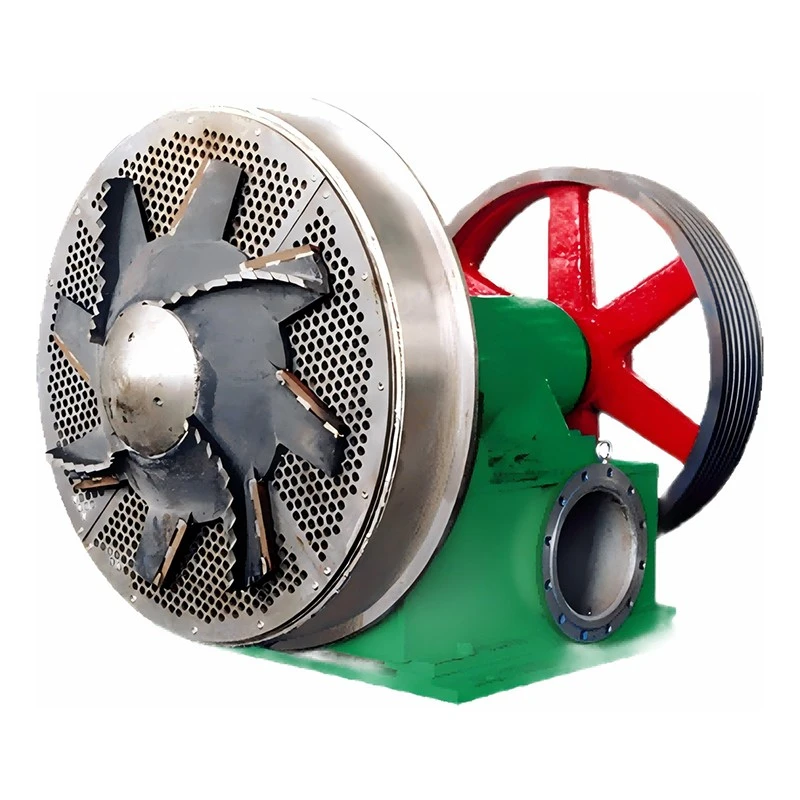

One of the key factors influencing the shock resistance of pulping equipment is the design and construction of its structural components. High - quality materials are essential. For example, using thick - walled steel for the main body of the pulper can provide a solid foundation that can better withstand the forces exerted during the pulping process. The joints and connections between different parts of the equipment also need to be carefully engineered. Welded joints should be of high quality to ensure that they do not crack under shock. Bolts and fasteners must be tightened to the correct torque to prevent loosening during operation.
Another aspect is the presence of shock - absorbing mechanisms. Many modern pulping machines are equipped with rubber mounts or springs. These components act as buffers, absorbing the shock energy and reducing the transmission of vibrations to the rest of the equipment. For example, in a Semi - dry Broken Pulper, rubber mounts can be placed at the base of the machine. When the pulper is in operation and experiences sudden impacts from the feeding of materials, the rubber mounts compress and expand, dissipating the energy and protecting the internal components.
The shock resistance of pulping equipment also has a direct impact on its performance. A machine with good shock resistance can maintain a more stable operation. This means that the pulping process can be carried out more consistently, resulting in a more uniform pulp quality. In contrast, if the equipment is prone to damage from shocks, it may experience frequent breakdowns. This not only disrupts the production process but also increases maintenance costs.
Let's take a Wet Broke Pulper as an example. In a wet broke pulping process, the equipment is constantly dealing with wet and heavy materials. The shock generated when these materials are dropped into the pulper can be quite significant. If the wet broke pulper has poor shock resistance, the internal parts may start to wear out quickly. The rotor blades may become misaligned, leading to uneven pulping and a decrease in the efficiency of the machine. On the other hand, a well - designed wet broke pulper with high shock resistance can handle these materials smoothly, ensuring a continuous and efficient pulping process.
In addition to the physical design and shock - absorbing mechanisms, the control system of the pulping equipment also plays a role in shock resistance. Advanced control systems can monitor the operation of the equipment in real - time. For example, they can detect sudden changes in the load or vibration levels. When a shock is detected, the control system can adjust the speed or operation mode of the equipment to reduce the impact. This proactive approach helps to protect the equipment from long - term damage.
Maintenance is also crucial for maintaining the shock resistance of pulping equipment. Regular inspections should be carried out to check for signs of wear and tear on the shock - absorbing components. Rubber mounts may need to be replaced periodically as they can lose their elasticity over time. The tightness of bolts and fasteners should be checked, and any loose connections should be tightened immediately. Lubrication of moving parts is also important as it can reduce friction and the generation of additional vibrations.
When it comes to choosing pulping equipment, shock resistance should be one of the top considerations for customers. A machine with high shock resistance not only offers a longer service life but also provides a more reliable and efficient pulping solution. As a supplier, we understand the importance of shock resistance in our products. We invest heavily in research and development to improve the shock - absorbing capabilities of our pulping equipment. Our engineering team is constantly exploring new materials and design concepts to enhance the overall durability and performance of the machines.
If you are in the market for pulping equipment and are looking for a solution that offers excellent shock resistance, we would be more than happy to assist you. Our range of pulping equipment, including the Rotor, Semi - dry Broken Pulper, and Wet Broke Pulper, is designed to meet the highest standards of quality and performance. We invite you to contact us for more information and to discuss your specific pulping requirements. Our team of experts is ready to provide you with detailed product information and support to help you make the right choice for your business.
In conclusion, shock resistance is a vital characteristic of pulping equipment. It affects the performance, durability, and cost - effectiveness of the machines. By understanding the factors that influence shock resistance and taking appropriate measures in design, operation, and maintenance, we can ensure that our pulping equipment provides a reliable and efficient solution for the pulp and paper industry. Whether you are a small - scale paper mill or a large - scale industrial operation, choosing pulping equipment with high shock resistance is a wise investment.
References
- "Handbook of Pulping and Papermaking" by Christopher J. Biermann
- "Pulp and Paper Manufacturing Technology" by G. A. Smook