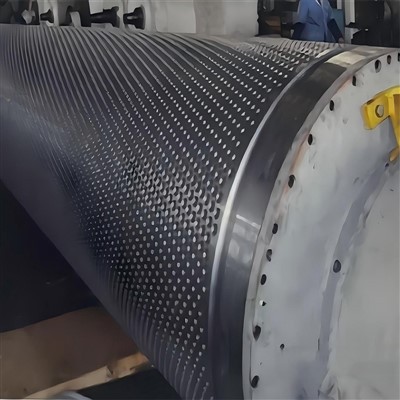
Hey there! As a supplier of calendering equipment, I've seen firsthand the ins and outs of how these machines operate, and one of the most common questions I get is about the wear and tear situation of calendering equipment parts. So, let's dive right in and explore this topic in detail.
Understanding Calendering Equipment
First off, let's quickly go over what calendering equipment is. Calendering is a process used to smooth, glaze, or thin a material by passing it through a series of rollers. This equipment is widely used in industries such as paper, plastics, rubber, and textiles to achieve a specific finish or thickness on the material.
Our company offers two popular models: the 3600/400 Calender Machine and the 4200/500 Calender Machine. These machines are designed to handle different production volumes and material types, but they all share some common parts that are prone to wear and tear.
Common Parts and Their Wear and Tear
Rollers
The rollers are the heart of any calendering machine. They're responsible for applying pressure and shaping the material as it passes through. Over time, the constant contact with the material and the high pressure can cause the rollers to wear down.
- Surface Wear: The surface of the rollers can get scratched or abraded, especially if the material being processed contains hard particles or debris. This can affect the quality of the finished product, as the scratches can transfer onto the material.
- Diameter Reduction: Continuous use can also lead to a reduction in the roller diameter. This can change the pressure distribution across the material, resulting in uneven thickness or finish.
To minimize roller wear, it's important to regularly clean the rollers and use proper lubrication. Additionally, using high-quality materials and coatings on the rollers can increase their durability.
Bearings
Bearings are used to support the rollers and allow them to rotate smoothly. They're subjected to high loads and speeds, which can cause them to wear out over time.
- Friction and Heat: The constant friction between the bearing components generates heat, which can lead to premature wear. If the bearings aren't properly lubricated, the heat can build up even more, causing the bearings to fail.
- Contamination: Dust, dirt, and other contaminants can also enter the bearings and cause damage. This can happen if the machine isn't properly sealed or if the working environment is dirty.
Regular maintenance, including lubrication and inspection, is crucial to ensure the bearings are in good condition. Replacing worn-out bearings promptly can prevent further damage to the machine.
Gears
Gears are used to transmit power and control the speed of the rollers. They're exposed to high forces and can experience wear and tear due to factors such as misalignment, overloading, and improper lubrication.
- Tooth Wear: The teeth of the gears can wear down over time, especially if they're not properly meshed. This can lead to noise, vibration, and reduced efficiency.
- Pitting and Scoring: High contact stresses can cause pitting and scoring on the gear surfaces. This can weaken the gears and eventually lead to failure.
Proper alignment, lubrication, and regular inspection of the gears can help prevent excessive wear and ensure smooth operation.
Belts and Chains
Belts and chains are used to transfer power from the motor to the various components of the calendering machine. They can stretch, crack, or break over time due to factors such as tension, friction, and heat.
- Stretching: Continuous use can cause the belts and chains to stretch, which can affect the timing and synchronization of the machine. This can lead to uneven processing and reduced quality.
- Cracking and Breaking: Excessive tension, heat, or wear can cause the belts and chains to crack or break. This can result in downtime and costly repairs.
Regular inspection and adjustment of the belts and chains are necessary to ensure they're in good condition. Replacing them when they show signs of wear can prevent unexpected breakdowns.


Factors Affecting Wear and Tear
Material Type
The type of material being processed can have a significant impact on the wear and tear of the calendering equipment parts. For example, materials with high abrasiveness, such as some types of plastics or rubber, can cause more wear on the rollers and bearings compared to softer materials.
Operating Conditions
The operating conditions of the calendering machine, such as temperature, humidity, and speed, can also affect the wear and tear of the parts. High temperatures can cause the lubricants to break down more quickly, leading to increased friction and wear. Similarly, high speeds can put more stress on the components, accelerating their wear.
Maintenance Practices
Proper maintenance is key to reducing the wear and tear of calendering equipment parts. Regular cleaning, lubrication, inspection, and replacement of worn-out parts can significantly extend the lifespan of the machine and minimize downtime.
How to Minimize Wear and Tear
Choose the Right Equipment
Selecting the right calendering equipment for your specific application is crucial. Make sure the machine is designed to handle the type and volume of material you'll be processing. Our 3600/400 Calender Machine and 4200/500 Calender Machine are designed to meet different production needs and are built with high-quality components to ensure durability.
Follow the Manufacturer's Recommendations
Always follow the manufacturer's recommendations for operation, maintenance, and lubrication. This includes using the correct lubricants, adjusting the tension of the belts and chains, and performing regular inspections.
Train Your Employees
Proper training for your employees is essential to ensure they operate the calendering equipment correctly. They should be aware of the potential causes of wear and tear and know how to perform basic maintenance tasks.
Monitor the Machine
Regularly monitor the performance of the calendering machine to detect any signs of wear and tear early. This can include checking for unusual noises, vibrations, or changes in the quality of the finished product.
Conclusion
Understanding the wear and tear situation of calendering equipment parts is crucial for ensuring the smooth operation and longevity of your machine. By being aware of the common parts that are prone to wear, the factors that affect wear and tear, and the steps you can take to minimize it, you can keep your calendering equipment running efficiently and avoid costly downtime.
If you're in the market for calendering equipment or have any questions about the wear and tear of our parts, don't hesitate to reach out. We're here to help you find the right solution for your business and ensure you get the most out of your investment.
References
- Calendering Technology Handbook, [Author's Name], [Publisher], [Year]
- Industrial Machinery Maintenance Guide, [Author's Name], [Publisher], [Year]