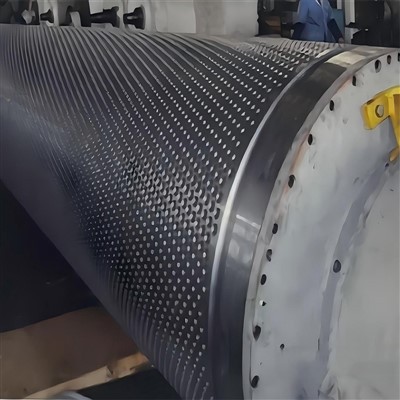
Yo! I'm an owner of a roller equipment supplier company. Been in this roller game for quite a while, and I've seen all sorts of roller setups. One question that always pops up is: “What kind of power sources can roller equipment use?” Well, let's break it down.
Electric Power
The most common power source for roller equipment is electricity. It's like the go - to option for so many industries. Electric motors are used to drive the rollers, and they come in different sizes and capacities depending on what the rollers are supposed to do.
For example, in small - scale factories or workshops, single - phase electric motors might be enough to power a set of rollers. These are easy to install and connect to the regular electrical grid. They're also relatively inexpensive, which is great if you're on a tight budget.
On the other hand, in large - scale industrial settings, three - phase electric motors are the norm. They can provide a lot more power and torque, which is necessary for heavy - duty roller equipment. For instance, in a steel mill, the rollers that shape and flatten the steel need a huge amount of power to work effectively. Three - phase motors can handle the load and keep the rollers spinning smoothly.
One of our popular products, the Ф 1100X7921 VAC ROLL, is often powered by an electric motor. It's designed to handle a good amount of work and is a reliable choice for many manufacturing processes. Electric power is also clean and efficient. There's no need to deal with the hassle of fuel storage or exhaust fumes. You just plug it in, and it's ready to go.
Hydraulic Power
Hydraulic power is another option for roller equipment. Hydraulic systems use pressurized fluid to transfer power. This setup can generate a ton of force, making it ideal for applications where heavy loads need to be moved or compressed.
In a hydraulic - powered roller system, a hydraulic pump generates the pressure, and the fluid is then sent through hoses to hydraulic cylinders or motors that drive the rollers. The advantage of hydraulic power is its ability to provide a constant and adjustable force. You can easily control how much pressure is applied to the rollers, which is great for precision work.
For example, in a paper mill, the Ф 1500/5050 Press Roll might be powered by a hydraulic system. The press roll needs to apply a specific amount of pressure to squeeze water out of the paper pulp. With a hydraulic system, operators can fine - tune the pressure to get the best results.
However, hydraulic systems do have some drawbacks. They're more complex than electric systems and require regular maintenance. The hydraulic fluid needs to be changed periodically, and any leaks in the system can cause problems. But if you need that extra power and control, hydraulic power is a solid choice.


Pneumatic Power
Pneumatic power uses compressed air to operate roller equipment. It's a simple and relatively inexpensive power source. Pneumatic systems are made up of an air compressor, valves, and pneumatic cylinders. The air compressor squeezes the air, and the high - pressure air is then used to move the cylinders, which in turn drive the rollers.
One of the benefits of pneumatic power is its safety. Since there's no risk of electrical shock and no flammable fuel, it's a great option for environments where there's a risk of explosion or fire. For example, in a food processing plant, pneumatic - powered rollers can be used to move and shape food products.
The ΦSizing Roll Operate Speed 1200m could potentially be powered by a pneumatic system. It can provide a quick and reliable way to move materials through the sizing process.
But pneumatic systems also have limitations. They're not as powerful as hydraulic or electric systems, so they're better suited for light - to medium - duty applications. Also, the air compressor can be noisy, and if the air isn't properly filtered, it can cause damage to the equipment.
Diesel Power
Diesel engines are a common power source for roller equipment in outdoor or remote locations. Diesel engines are known for their durability and high - torque output. They can run for long periods without needing a lot of maintenance.
In construction sites, for example, diesel - powered roller equipment is often used to compact soil or asphalt. The rollers need to be able to move around freely and work in different conditions, and a diesel engine gives them the mobility and power they need.
The downside of diesel power is that it produces emissions, which can be bad for the environment. Also, diesel fuel is more expensive than electricity in some areas, and you have to deal with the logistics of fuel storage and refueling.
Choosing the Right Power Source
When it comes to picking the right power source for your roller equipment, there are a few things to consider. First, think about the type of work the rollers will be doing. If it's a light - duty job, like moving small items in a warehouse, a pneumatic or single - phase electric system might be enough. But if you're dealing with heavy materials or need a lot of force, hydraulic or three - phase electric systems are better.
Second, consider the location. If you're working in an area without access to electricity, diesel or a self - contained hydraulic system might be the way to go. On the other hand, if you're in a controlled indoor environment, electric or pneumatic power is probably more suitable.
Cost is also a big factor. Electric power is usually the cheapest in the long run, but the initial installation cost can be high. Hydraulic systems are more expensive to set up and maintain, but they offer a lot of power and control. Pneumatic systems are relatively cheap, but they may not be powerful enough for some applications. Diesel engines have the cost of fuel and maintenance to consider.
Let's Talk Business
As a roller equipment supplier, I've helped countless customers find the right power source for their needs. Whether you're looking for a small set of rollers for a DIY project or a large - scale industrial setup, we've got you covered. We've got a wide range of roller equipment powered by different sources, and we can help you choose the one that's best for you.
If you're interested in our products or have any questions about power sources for roller equipment, don't hesitate to reach out. We're always happy to have a chat and see how we can assist you in getting the right equipment for your business. Let's work together to make your roller - related projects a success.
References
- "Industrial Power Systems Handbook"
- "Hydraulic and Pneumatic Systems: Design and Application"
- "Diesel Engine Technology and Maintenance Guide"