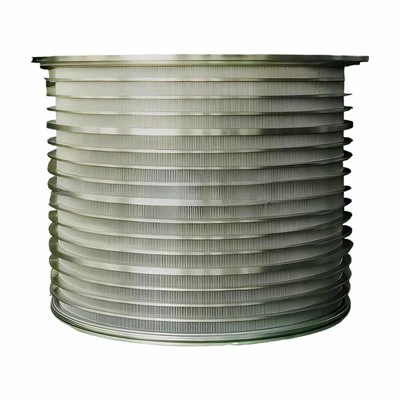
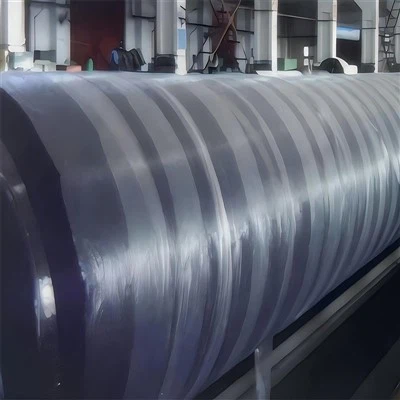
As a supplier of the KTF Refiner, I've received numerous inquiries about its adaptability to hazardous environments. In this blog, I'll delve into the modifications required for the KTF Refiner to operate safely and efficiently in such challenging settings.
Understanding Hazardous Environments
Hazardous environments pose unique challenges due to the presence of flammable gases, combustible dust, or other potentially explosive substances. These conditions demand strict safety measures to prevent accidents and ensure the well - being of operators. Before discussing the modifications, it's crucial to understand the different types of hazardous environments.
There are two main categories: Class I and Class II. Class I environments contain flammable gases or vapors, while Class II environments are characterized by the presence of combustible dust. Each class has its own set of safety standards and requirements that the KTF Refiner must meet.
Electrical System Modifications
One of the most critical aspects of adapting the KTF Refiner for a hazardous environment is modifying its electrical system. In a standard environment, the electrical components of the refiner are designed for normal operation. However, in a hazardous environment, these components can become potential ignition sources.
To address this, the electrical system of the KTF Refiner needs to be explosion - proof. This involves enclosing electrical components in special housings that can contain any explosion that might occur within them. Additionally, all electrical wiring must be properly sealed to prevent the entry of flammable gases or dust.
Another important modification is the use of intrinsically safe electrical circuits. These circuits are designed to limit the energy available for ignition, ensuring that even in the event of a fault, there is not enough energy to ignite the surrounding hazardous atmosphere.
Material Selection
The materials used in the construction of the KTF Refiner also need to be carefully considered when operating in a hazardous environment. For example, in a dust - laden environment, the refiner's surfaces should be made of materials that are resistant to abrasion and static electricity. Static electricity can generate sparks, which can be a significant risk in a combustible dust environment.
Stainless steel is often a preferred material for the construction of the refiner's housing and internal components. It is corrosion - resistant, non - sparking, and easy to clean, which helps to prevent the accumulation of dust and other contaminants.
Ventilation and Exhaust Systems
Proper ventilation is essential in a hazardous environment to prevent the buildup of flammable gases or dust. The KTF Refiner should be equipped with an efficient ventilation and exhaust system. This system should be designed to remove any potentially hazardous substances from the vicinity of the refiner.
The ventilation system should be capable of maintaining a safe concentration of flammable gases or dust in the air. It should also be designed to prevent the recirculation of contaminated air. Additionally, the exhaust system should be connected to a safe discharge point, away from any potential ignition sources.
Safety Controls and Monitoring
To ensure the safe operation of the KTF Refiner in a hazardous environment, it is necessary to install advanced safety controls and monitoring systems. These systems can detect the presence of hazardous substances in the air, such as flammable gases or dust, and automatically shut down the refiner if the concentration exceeds safe levels.
Furthermore, the refiner should be equipped with emergency stop buttons that are easily accessible to operators. These buttons can be used to quickly shut down the refiner in case of an emergency.
Comparison with Other Refiners
When considering the use of a refiner in a hazardous environment, it's worth comparing the KTF Refiner with other models such as the DD Series Double Disc REfiner and the KZM Series Conical Refiner. While these refiners also have their own advantages, the KTF Refiner can be more easily modified to meet the specific requirements of a hazardous environment.
The KTF Refiner's modular design allows for easier integration of safety features and modifications. This makes it a more flexible option for customers who need to operate in challenging environments.
Cost Considerations
Modifying the KTF Refiner for a hazardous environment will incur additional costs. These costs include the cost of explosion - proof electrical components, special materials, and advanced safety systems. However, it's important to note that these costs are a necessary investment to ensure the safety of the operators and the facility.
In the long run, the cost of preventing accidents and ensuring compliance with safety regulations far outweighs the initial investment in modifications. Moreover, by choosing a refiner that can be easily modified, such as the KTF Refiner, customers can save on future maintenance and upgrade costs.
Conclusion
Adapting the KTF Refiner for a hazardous environment requires a comprehensive approach that involves modifying the electrical system, selecting appropriate materials, installing ventilation and exhaust systems, and implementing advanced safety controls. While these modifications come with additional costs, they are essential for ensuring the safe and efficient operation of the refiner in challenging settings.
If you are considering using the KTF Refiner in a hazardous environment, we encourage you to contact us for a detailed consultation. Our team of experts can help you understand the specific modifications required for your application and provide you with a customized solution. We are committed to providing high - quality refining equipment that meets the highest safety standards.


References
- National Fire Protection Association (NFPA) standards for hazardous environments.
- International Electrotechnical Commission (IEC) guidelines for explosion - proof electrical equipment.