

Pulp is processed from some plants as raw materials, and it is the basic raw material for paper making. The plants commonly used as raw materials for pulping can be divided into four categories: stem fibers, bast fibers, seed wool fibers and wood fibers. Among them, wood fiber is more important. At present, China's wood resources can not meet the needs of the growing pulp and paper industry. In order to make up for the shortage of raw materials, a considerable amount of pulp is imported from abroad every year. The main importers are the United States, Canada and Brazil.
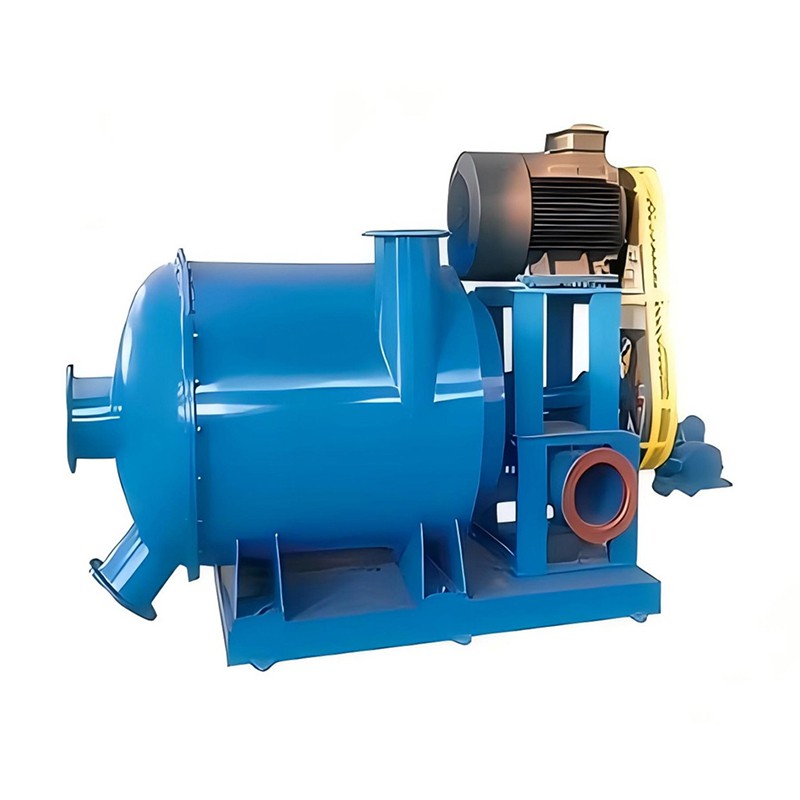
Traditional pulping refers to the production process of using chemical methods, mechanical methods or a combination of both to dissociate plant fiber raw materials into natural or bleached pulp. The process usually used is to crush, cook, wash, screen, bleach, purify and dry plant fiber raw materials. In modern times, a new biological pulping method has been developed, which first uses special strains (white rot bacteria, brown rot bacteria, soft rot bacteria) to specifically decompose the lignin structure, and then dissociates the remaining cellulose by mechanical or chemical methods, and then bleaches. In this process, the biological has been decomposed, open most of the lignin, chemical method is only as an auxiliary role, the chemical products used are less than the traditional method, so it can be less emissions or no emissions of waste liquid, is an environmentally friendly pulping, clean pulping method.
(1) According to the manufacturing method, it is divided into chemical pulp (including caustic soda pulp, sulfate pulp, sulfite pulp, etc.), mechanical pulp (including grinding stone wood pulp, disk mill mechanical pulp, hot mill mechanical pulp, etc.) and chemical mechanical pulp 3 categories;
② It is divided into wood pulp, straw pulp, bamboo pulp, cotton pulp, waste paper pulp, etc.


