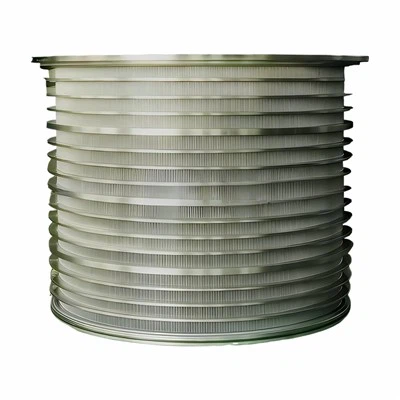
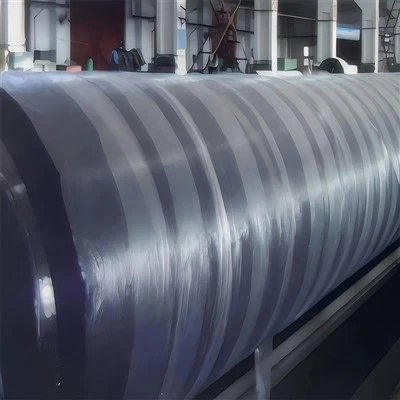
As a provider of High-speed Washer technology, I often receive questions from clients about the compatibility of high-speed washers with water softeners. This topic is crucial as it directly impacts the performance, longevity, and efficiency of both the washing equipment and the overall washing process. In this blog, I aim to delve deep into this matter, exploring the scientific aspects, practical implications, and potential benefits of using high-speed washers in conjunction with water softeners.
The Science Behind High-Speed Washers and Water Softeners
High-speed washers are designed to clean various materials, such as pulp in the paper industry, at a rapid pace. They utilize high rotational speeds and advanced mechanical designs to achieve efficient washing. The fast movement of the washing elements helps to dislodge contaminants from the pulp or other materials being washed, ensuring a high level of cleanliness.


On the other hand, water softeners are used to remove minerals such as calcium and magnesium ions from the water supply. These minerals, commonly referred to as “hardness,” can cause several problems in washing systems. When hard water is used in high-speed washers, the calcium and magnesium ions can react with detergents and other chemicals, forming insoluble salts. These salts can deposit on the washing equipment, leading to scaling. Scaling not only reduces the efficiency of the washer by clogging the nozzles and reducing the flow of water but also shortens the lifespan of the equipment.
Compatibility Analysis
In general, high-speed washers are highly compatible with water softeners. When water softeners are installed in the water supply system of high-speed washers, they eliminate the hardness minerals, providing “soft” water for the washing process. Soft water has several advantages in this context:
- Enhanced Detergent Performance: Soft water allows detergents to work more effectively. Without the interference of hard water minerals, detergents can fully dissolve and interact with the contaminants on the materials being washed. This results in better cleaning performance and reduces the amount of detergent required.
- Reduced Scaling: As mentioned earlier, scaling is a major problem in high-speed washers. Soft water prevents the formation of scale deposits on the internal components of the washer, such as the drums, pipes, and valves. This not only maintains the optimal performance of the washer but also reduces the frequency of maintenance and repairs.
- Improved Equipment Lifespan: By minimizing scaling and reducing the chemical reactions that can cause corrosion, soft water helps to extend the lifespan of high-speed washers. This translates into cost savings for the users in terms of equipment replacement and maintenance.
Practical Considerations
While the compatibility between high-speed washers and water softeners is generally positive, there are some practical considerations to keep in mind:
- Water Softener Capacity: The capacity of the water softener should be carefully matched to the water demand of the high-speed washer. If the water softener is too small, it may not be able to provide enough soft water for the washer, leading to incomplete softening and potential scaling problems. On the other hand, an oversized water softener can be wasteful in terms of energy and salt consumption.
- Maintenance and Monitoring: Both high-speed washers and water softeners require regular maintenance. The water softener needs to be regenerated periodically to maintain its softening capacity. Additionally, the water quality should be monitored regularly to ensure that the softener is functioning properly and that the water is of the appropriate quality for the washer.
- Integration with Other Equipment: In some industrial settings, high-speed washers may be part of a larger system that includes other equipment such as Screw Press Thickener. The integration of water softeners into this system should be carefully planned to ensure that the soft water is distributed evenly and that there are no compatibility issues with other components.
Case Studies
To illustrate the benefits of using high-speed washers with water softeners, let's look at a few case studies:
- Paper Mill A: This paper mill installed a water softener in its high-speed pulp washer system. Before the installation, the mill was experiencing frequent scaling problems, which led to reduced washer efficiency and increased maintenance costs. After the water softener was installed, the scaling was significantly reduced, and the washer's performance improved. The mill also noticed a decrease in detergent consumption, as the soft water allowed the detergents to work more effectively.
- Textile Factory B: In this textile factory, high-speed fabric washers were used in the production process. The use of hard water was causing the fabric to look dull and feel rough. After implementing a water softening system, the quality of the washed fabric improved significantly. The soft water also reduced the wear and tear on the washers, resulting in lower maintenance costs.
Conclusion
In conclusion, high-speed washers are highly compatible with water softeners, and the combination of the two can provide significant benefits in terms of cleaning performance, equipment longevity, and cost savings. By eliminating the problems associated with hard water, water softeners enhance the efficiency and effectiveness of high-speed washers. However, it is important to carefully consider the practical aspects of the installation and operation of the water softener to ensure optimal performance.
If you are interested in learning more about our High-speed Washer technology or the compatibility with water softeners, we encourage you to contact us for a detailed discussion. Our team of experts is ready to assist you in finding the best solution for your specific needs.
References
- Smith, J. (2018). Water Treatment for Industrial Washing Systems. Industrial Water Journal, 25(3), 12-18.
- Johnson, A. (2019). The Impact of Water Hardness on High-Speed Washing Equipment. Journal of Cleaning Technology, 32(2), 22-28.
- Brown, C. (2020). Optimizing the Use of Water Softeners in Industrial Processes. Process Engineering Review, 45(1), 35-42.